





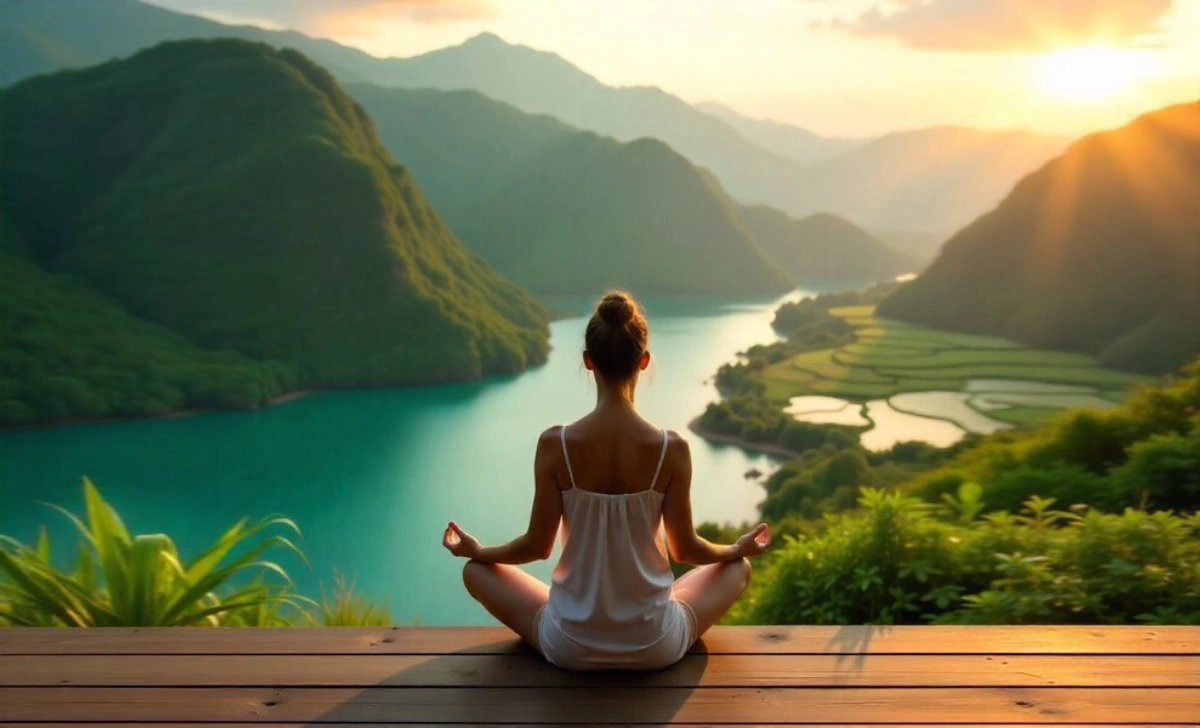
You wake up to the sound of waves, or maybe temple bells, or wind rustling through mountain pines. Your phone sits in a drawer. Your shoulders feel lighter. You breathe deeper. You remember what it feels like to just be.
This is what destination wellness escapes do. They pull you out of the loop and drop you somewhere quiet enough to hear yourself think again. I’ve watched stressed-out professionals cry during meditation sessions in Bali. I’ve seen burnt-out parents rediscover joy in hot springs tucked into Japanese mountains. These places don’t just offer spa treatments—they shift something inside you.
Let me walk you through ten places that did exactly that for countless travelers and me, I’ve met along the way.
1. Ubud, Bali – Where Rice Fields Meet Inner Peace
Ubud sits in Bali’s green heart, surrounded by rice terraces that glow gold at sunrise. The town pulses with yoga studios, healing centers, and cafes serving turmeric lattes that taste like medicine should.
What Makes It Special
Balinese wellness runs deep. You’re not checking into a resort—you’re entering a culture built on balance. Morning yoga sessions overlook jungle valleys. Healers perform traditional massage with techniques passed down through generations. The Tegallalang Rice Terraces alone slow your heartbeat just by existing.
I spent a week at a small retreat center outside town. Every morning started with meditation under a bamboo pavilion. Afternoons meant wandering through the Monkey Forest or soaking in flower-filled baths. Evenings brought vegetarian feasts and conversations with other travelers who’d come to reset.
Practical Details
- Best time to visit: April to October for dry weather
- Budget: Mid-range retreats start around $50-80/night, including meals
- Getting there: Fly into Ngurah Rai International Airport, then drive 90 minutes north
Book accommodations early if you’re visiting during high season. Many wellness centers offer week-long packages that include yoga, meditation, healthy meals, and spa treatments. Skip the tourist-packed cafes on Monkey Forest Road—ask locals where they eat.
2. Sedona, Arizona – Red Rocks and Energy Vortexes
The red sandstone formations around Sedona glow like they’re lit from within. Some call them energy vortexes. Others just call them beautiful. Either way, this desert town draws people seeking clarity.
Why People Come Here
Sedona built its reputation on alternative healing. You’ll find everything from sound baths to crystal therapy to guided meditation hikes. But you don’t need to believe in vortexes to feel the effect of hiking Cathedral Rock at dawn or watching stars appear over Bell Rock.
The dry air clears your lungs. The silence clears your head. I met a woman who’d driven from Chicago after her divorce. She spent three days hiking alone and said the desert gave her permission to cry, then move on.
What to Know Before You Go
- Best time to visit: March to May or September to November
- Budget: Hotels run $120-200/night; camping offers cheaper options
- Getting there: Fly into Phoenix, rent a car, and drive two hours north
Bring good hiking shoes and more water than you think you need. Book spa treatments in advance—the best places fill up fast. Skip the tourist vortex tours unless you’re genuinely curious. The free trials deliver the same experience.
3. Kerala, India – Ayurveda’s Birthplace
Kerala stretches along India’s southwestern coast, a strip of backwaters, coconut palms, and beaches. This is where Ayurveda—ancient Indian medicine—still thrives in its purest form.
The Ayurvedic Experience
Real Ayurvedic treatment doesn’t mean a quick massage. You consult with doctors who examine your pulse, tongue, and energy. They create personalized treatment plans involving herbal oils, specific diets, yoga, and daily therapies. Some programs last two weeks.
I watched a Kerala practitioner spend 45 minutes just assessing a patient before recommending treatments. The whole system focuses on rebalancing your body’s natural rhythms. You eat warm, spiced foods. You sleep early. You slow down completely.
Planning Your Visit
- Best time to visit: June to September for the monsoon season (ideal for Ayurveda)
- Budget: Authentic retreats cost $70-150/night with full treatment plans
- Getting there: Fly into Kochi or Trivandrum
Choose certified Ayurvedic centers carefully. Ask about the doctor’s qualifications. Many beach resorts offer “Ayurvedic massage” but miss the deeper healing. The real programs require commitment—you can’t drink alcohol, stay up late, or eat heavy foods. Come ready to follow their guidance.
4. Iceland – Hot Springs Under Northern Skies
Iceland feels like another planet. Black sand beaches. Steaming geothermal pools. Glaciers and waterfalls around every turn. The landscape itself acts as therapy.
Natural Wellness
Icelanders have built their wellness culture around natural hot springs. Forget the Blue Lagoon’s crowds—venture to remote pools where you soak alone while watching the midnight sun or hunting for northern lights. The mineral-rich waters soothe muscles and quiet racing thoughts.
I remember driving along the Ring Road and spotting steam rising from a hillside. We pulled over and found a tiny hot spring where locals soaked after work. No entrance fee. No crowds. Just warm water and conversation with a farmer who came there every Tuesday.
Travel Tips
- Best time to visit: September to March for northern lights; June to August for midnight sun
- Budget: $150-250/night for accommodations
- Getting there: Fly direct to Reykjavik from major European and US cities
Rent a car to reach remote hot springs. Pack a swimsuit and towel in your day bag—you’ll want them. Many natural pools have no facilities, so come prepared. Download offline maps. Cell service drops in rural areas.
5. Tulum, Mexico – Mayan Ruins and Beach Yoga
Tulum blends ancient Mayan culture with modern wellness trends. Yoga studios sit steps from Caribbean beaches. Cenotes—natural sinkholes—offer swimming in crystal-clear freshwater. Thatched-roof eco-resorts serve cacao ceremonies and sound healing.
The Tulum Vibe
This town attracts the wellness crowd. You’ll see people practicing sunrise yoga on beaches, drinking green juice, and talking about plant medicine. But underneath the Instagram aesthetic lives genuine healing. The jungle energy combined with the ocean air creates a unique atmosphere.
I took a yoga class in an open-air shala where iguanas wandered past during savasana. Later that day, I swam in Gran Cenote, floating in water so clear I could see fish 40 feet below. That combination of movement, nature, and silence reset something in me.
What You Need to Know
- Best time to visit: November to April for the dry season
- Budget: Eco-lodges start at $80/night; luxury wellness resorts run $300+
- Getting there: Fly into Cancun, drive 90 minutes south
Book accommodations in the hotel zone for beach access or the town for lower prices. Rent bikes to get around—Tulum sprawls along a coastal road. Many wellness centers offer drop-in classes if you’re not staying there. Respect the cenotes—no sunscreen in the water.
6. Rishikesh, India – Yoga Capital of the World
Rishikesh sits where the Ganges River flows from the Himalayas. This small city has hosted yoga seekers for centuries. The Beatles came here in 1968. People still come for the same reasons—to study, practice, and transform.
Why Rishikesh Works
Yoga here means discipline. You wake at dawn. You practice for hours. You study philosophy. You eat simple vegetarian food. Ashrams line the riverbanks, some charging nothing, others offering structured month-long programs.
The Ganges itself carries something. I sat by the river one evening during aarti—a fire ceremony where hundreds of candles float downstream. A Canadian man next to me said he’d come for two weeks and stayed three months. The place wouldn’t let him leave until he learned what he needed.
Practical Information
- Best time to visit: February to May or September to November
- Budget: Basic ashrams charge $5-15/day; yoga schools run $20-40/day
- Getting there: Fly to Dehradun, drive 45 minutes to Rishikesh
Choose your ashram carefully. Some focus on intense practice; others welcome beginners. Many require early morning schedules and participation in karma yoga (service work). Respect local customs—Rishikesh is alcohol-free and mostly vegetarian. The monkeys near the Lakshman Jhula will steal your food.
7. Big Sur, California – Cliffs, Redwoods, and Solitude
Big Sur’s coastline stretches along California’s Highway 1. Cliffs drop straight into the Pacific. Redwood forests climb hillsides. The land feels wild even though you can drive through it.
The Healing Power of Nature
Several retreat centers dot this coastline, most focusing on meditation, yoga, and digital detox. Esalen Institute, perched on cliffs above the ocean, has drawn seekers since the 1960s. You can take workshops, soak in hot springs overlooking waves, or just walk the grounds.
I spent three days at a smaller center deep in the redwoods. No cell service. No wifi. Just trails, silence, and meals eaten with strangers who became friends. We watched whales breach offshore during morning meditation. At night, stars filled the sky in numbers I’d forgotten existed.
Travel Details
- Best time to visit: April to October for clear weather
- Budget: Camping runs $35-50/night; retreat centers cost $150-400/night
- Getting there: Fly into San Francisco or Monterey, and drive Highway 1
Book retreat centers months in advance—they fill quickly. Pack layers—coastal weather shifts fast. If you’re camping, make reservations early. The drive on Highway 1 demands attention. Take it slow and stop at viewpoints.
8. The Dead Sea, Jordan – Float Your Worries Away
The Dead Sea sits 1,410 feet below sea level. The high salt content makes you float without trying. The mineral-rich mud treats skin conditions. The unique atmosphere creates a weird, wonderful wellness experience.
What Makes It Different
You can’t sink in the Dead Sea. Literally. You lean back and float like a cork. The minerals in the water and mud have been used for healing since ancient times. Cleopatra supposedly sourced beauty products from here.
Beyond the floating, the location feels surreal. Desert mountains rise on both sides. The water glows different colors depending on the time of day. I spent an afternoon covering myself in black mud, letting it dry in the sun, then washing it off in the salty water. My skin felt softer for days.
Planning Your Trip
- Best time to visit: March to May or October to November
- Budget: Hotels range from $80 for basic to $250+ for spa resorts
- Getting there: Fly into Amman, drive 45 minutes west
Don’t shave before going in—the salt stings. Avoid getting water in your eyes. Bring old sandals—the shore is rocky. Many hotels offer spa treatments using Dead Sea products. Consider combining this with visits to Petra and Wadi Rum.
9. Bali’s Amed Coast – Diving and Quiet Villages
While crowds flock to Ubud and Seminyak, Bali’s Amed coast stays sleepy. Black sand beaches. Small fishing villages. World-class diving. This is where you go to truly disconnect.
A Different Kind of Bali
Amed offers simple wellness—sunrise dives, beachfront yoga, and fresh fish grilled over coconut husks. You spend days in the water and evenings watching fishermen bring in their catch. The pace slows to match the lapping waves.
I stayed in a bamboo bungalow where the sound of the ocean put me to sleep and woke me up. Mornings started with coffee, watching the sunrise over Mount Agung. Days disappeared into diving the USS Liberty shipwreck. Nights meant fish curry and conversations with other travelers at family-run warungs.
What to Expect
- Best time to visit: April to November for diving
- Budget: Guesthouses start at $20/night; diving costs $30-50 per dive
- Getting there: Fly to Bali, drive 2.5 hours northeast from the airport
Rent a scooter to explore nearby villages. Book diving through reputable shops. The coast has limited infrastructure—bring cash. Don’t expect luxury. Expect authenticity.
10. New Zealand’s South Island – Fjords, Mountains, and Majesty
New Zealand’s South Island delivers landscapes so dramatic they look unreal. Fiordland’s misty fjords. The Southern Alps’ snow-capped peaks. Hot springs bubbling up in remote forests. The whole island feels designed for healing.
Nature as Medicine
You don’t find many formal wellness retreats here. You don’t need them. The wellness comes from hiking the Routeburn Track. Kayaking through Milford Sound. Soaking in Maruia Hot Springs after a long day’s drive. The land does the work.
I spent two weeks driving the South Island’s west coast. Every day brought new landscapes—glaciers, rainforests, beaches with driftwood sculptures, lakes that reflected mountains like mirrors. By the end, I felt hollowed out and refilled with something cleaner.
Trip Planning
- Best time to visit: December to February for summer; June to August for skiing
- Budget: Hostels start at $25/night; mid-range hotels run $100-150
- Getting there: Fly into Christchurch or Queenstown
Rent a campervan to maximize flexibility. Book Department of Conservation huts early for popular hiking trails. The weather changes fast—pack for all conditions. Towns are small and far apart. Fill up on gas when you see stations.
Making Your Wellness Escape Real
These ten destinations share something beyond spas and yoga mats. They give you space to remember who you are beneath the stress and schedules. They show you different ways to live, even temporarily.
If you’re looking for more options, check out these best global wellness retreats that offer structured programs designed for deep transformation.
You don’t need a huge budget or months. A week works. Sometimes, even a long weekend shifts your perspective. The key is choosing a place that speaks to what you need right now—whether that’s silence in the desert, community in an ashram, or the ocean’s rhythm.
Want to understand the science behind why these trips work? Learn how wellness travel helps reset mind and body in ways regular vacations can’t.
Start planning. Book the flight. Trust that taking this time for yourself isn’t selfish—it’s survival.