





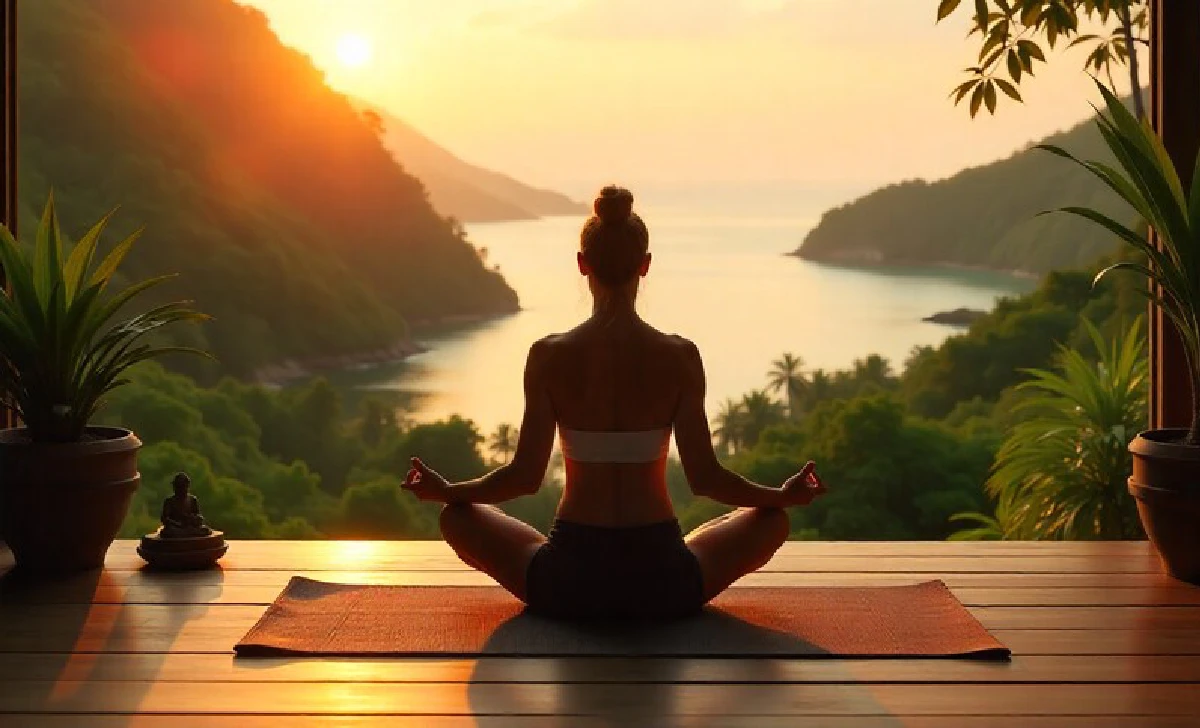
I spent three weeks last year moving between yoga ashrams in India, thermal baths in Iceland, and silent meditation retreats in Thailand. What started as burnout recovery became something deeper—a complete reset of how I understand travel itself.
Wellness travel strips away the frenzy of typical tourism. No racing between attractions or checking boxes on a must-see list. You slow down. You breathe. You actually feel the place instead of just photographing it.
The best part? You return home changed, not just rested.
What Makes Wellness Travel Different
Traditional vacations often leave you needing another vacation. You pack in too much, sleep too little, and come back exhausted. Wellness travel flips this script entirely.
These trips center on healing—physical, mental, or spiritual. You might spend mornings practicing yoga overlooking rice terraces, afternoons getting traditional massages, and evenings eating meals designed to nourish rather than just satisfy hunger.
The destinations themselves become part of the healing. Mountain air in the Swiss Alps clears your lungs and mind. Ocean sounds in Bali create natural meditation soundtracks. Desert silence in Arizona forces you to confront what you’ve been avoiding.
Understanding how wellness travel helps reset mind and body can help you choose the right experience for your current needs.
Where to Begin Your Wellness Journey
Bali: The Gateway Destination
Ubud remains the heart of Bali’s wellness scene, and for good reason. Walk down any street, and you’ll find yoga studios, raw food cafes, and healers offering everything from sound baths to energy work.
I stayed at a small retreat center outside town where roosters woke me before dawn. The first morning, I found this annoying. By day three, I was awake before them, excited for sunrise meditation.
Ubud works beautifully for first-time wellness travelers because the infrastructure exists without feeling commercialized. You can book a week-long retreat or just drop into classes and treatments as you explore.
Best time to visit: April through October avoids heavy rains. June through August get crowded but offer the most class options and community.
Budget reality: Expect to spend $50-150 per day, depending on accommodation. Local warungs (small restaurants) keep food costs low while retreat meals run $10-20 each.
India: Where Wellness Originated
Kerala’s backwaters introduced me to authentic Ayurveda. A doctor examined my tongue, took my pulse, and prescribed a 14-day treatment plan involving daily oil massages, herbal medicines, and specific meal times.
The first week felt strange. Treatments happened at 6 AM. I ate simple vegetarian meals at set hours. No coffee, no alcohol, no staying up late. My phone stayed off most days.
Week two changed everything. I slept more deeply than I had in years. My digestion improved. The constant background anxiety I’d carried for months simply dissolved.
Rishikesh offers a different experience—more focused on yoga and meditation than Ayurvedic medicine. The Ganges River flows through town, and ashrams line both banks. Some offer free accommodation in exchange for volunteer work, making this one of the most affordable wellness destinations globally.
Getting there: Fly into Trivandrum for Kerala or Dehradun for Rishikesh. Book treatments and accommodations before arriving, especially during peak season (October through March).
What to pack: Loose, modest clothing. Your own yoga mat if you’re particular. Journal and pen—you’ll want to write.
Costa Rica: Tropical Healing
Nosara’s beaches face west, creating perfect sunset views from yoga platforms. I practiced vinyasa flow while howler monkeys called from nearby jungle and waves crashed below.
Costa Rica excels at blending adventure with wellness. Morning yoga and afternoon surf sessions. Meditation followed by zip-lining through cloud forests. Green juice and fresh ceviche.
The country’s “pura vida” lifestyle—pure life—isn’t just a catchphrase. Locals genuinely embrace slower rhythms and nature connection. This cultural backdrop enhances any wellness retreat you choose.
Practical tips: Rent a car if staying outside main towns. Roads get rough during the rainy season (May through November). Book retreats early—popular centers fill months ahead.
Budget approach: Skip all-inclusive retreats and rent a small house near Nosara or Santa Teresa. Take drop-in yoga classes ($15-25) and cook your own meals from farmers’ markets.
For more destination wellness escapes worth considering, explore options across different continents and budgets.
Planning Your Wellness Retreat
Choosing the Right Program
Digital detox retreats remove all technology. Silent retreats prohibit speaking for days or weeks. Fitness-focused programs pack in activities. Spiritual retreats emphasize meditation and energy work.
Match the program intensity to your current state. Burned out from work? Choose gentle, restorative experiences. Seeking major life clarity? Longer, more intensive programs create space for breakthrough.
I learned this the hard way. My first retreat pushed hard—5 AM wake-ups, multiple daily yoga sessions, strict vegan diet. I left feeling accomplished but not restored. The gentler retreat I chose six months later gave me what I actually needed.
Length Matters
Weekend wellness trips provide a taste, but a real transformation needs time. Your nervous system requires several days to downshift from everyday stress mode.
Most retreat leaders say the magic happens around day five or six. You stop mentally planning your return. You release into the experience. You start actually changing instead of just relaxing.
Three weeks gave me enough time for old patterns to surface, break down, and rebuild differently. Two weeks works well for most people, balancing regular life. One week works if you’ve done this before and drop in quickly.
Solo vs. Group Experience
I prefer solo travel generally, but wellness retreats work beautifully in groups. Shared experience creates bonds quickly. You practice vulnerability together—crying during breathwork, laughing during partner yoga, sharing stories over meals.
That said, choose retreat sizes carefully. Groups of over 20 people feel less intimate. Under 10 creates a deeper connection but less diversity of perspective.
Look for programs that balance structured group activities with personal space. I need solo time daily to process everything, and good retreats build this into the schedule.
What to Expect During Your Stay
The First Few Days
Your body might rebel initially. Detoxing from caffeine, sugar, alcohol, or processed food creates headaches and fatigue. Early wake-up times feel brutal. Meditation makes your mind race faster rather than slower.
Push through. Day three or four typically marks the shift. Energy returns—more stable and sustained than caffeine-driven highs. Sleep deepens. Meditation begins working.
Some people cry during yoga or massage as stored emotions are released. This is normal and healthy. Retreat staff expect this and create a safe space for whatever arises.
Daily Rhythms
Most wellness retreats follow natural cycles. Wake near sunrise. Practice while your body is still soft from sleep. Eat your largest meal at lunch when digestion is strongest. Wind down as darkness falls.
This schedule felt restrictive at first. I’m a night person who does best creative work after 9 PM. But living in sync with light cycles for even one week resets something fundamental in my circadian rhythm.
Months later, I still wake more easily and sleep better than before that first retreat.
Food as Medicine
Retreat meals often surprise people. Small portions. Lots of vegetables. Limited spices or strong flavors. This isn’t about deprivation—these choices support the healing work your body is doing.
Ayurvedic retreats in India served kitchari (rice and lentil stew) for multiple meals daily. Boring on paper, yet my digestion had never functioned better. Thai retreat meals emphasized room-temperature foods to balance tropical heat.
You’ll likely eat less than usual but feel more satisfied. Real hunger versus habitual eating becomes obvious when distractions disappear.
Bringing Wellness Home
The real challenge starts when you leave. How do you maintain this peace while returning to regular life demands?
Start small. Keep one practice from your retreat—maybe 10 minutes of morning meditation or a weekly yoga class. Build from there rather than trying to replicate the entire retreat schedule.
I failed at this repeatedly before learning to pick just one non-negotiable practice. Mine became 20 minutes of silent sitting each morning. Everything else fluctuates based on life circumstances, but that one anchor keeps me connected to retreat experiences.
Create physical reminders. I keep a small stone from the beach where I did walking meditation in Bali on my desk. When stress builds, holding it brings back the calm I felt there.
Integration Period
Plan for buffer time when you return. Taking a wellness retreat and then immediately jumping into back-to-back meetings wastes much of the benefit.
I block the three days after returning as “soft landing” time. Light schedule. Extra sleep. Gentle movement. This helps new patterns stick rather than getting immediately overwhelmed back into old habits.
Choosing Your First Destination
Start with locations offering strong wellness infrastructure and English-speaking staff if language creates anxiety for you. Bali, Costa Rica, and Thailand all fit this description.
Consider the climate carefully. Extreme heat or cold adds stress when you’re trying to reduce it. I loved practicing yoga in Bali’s humidity, but my partner found it overwhelming until he acclimated for several days.
Budget honestly. All-inclusive luxury retreats offer convenience and beautiful settings, but aren’t necessary for transformation. Some of my deepest healing happened at simple ashrams costing $30 per day.
Research retreat leaders and their training. Anyone can rent a pretty space and call it a wellness retreat. Look for instructors with years of experience and proper certifications in their teaching areas.
If you’re overwhelmed by options, check out the best global wellness retreats to narrow down your choices based on what type of healing you’re seeking.
The Real Transformation
Wellness travel showed me that peace isn’t something you find in exotic locations. The places simply provide conditions where you can finally hear the peace that’s been inside you all along.
You don’t need to fly across the world for this, though beautiful settings certainly help. You need space from regular life patterns and people who hold space for your healing.
These trips changed how I travel permanently. I still visit cities and see famous sites, but I build in more rest. I choose accommodations with space for morning yoga. I seek out local healing traditions wherever I go.
Your path might look completely different from mine. Maybe you’ll find your peace hiking mountain trails in Switzerland or soaking in a Japanese onsen. Maybe it’ll be volunteering on an organic farm in Portugal or learning traditional medicine with indigenous healers in Peru.
The destination matters less than your willingness to slow down, pay attention, and let travel transform you instead of just entertaining you.
Start planning your first wellness journey. Your mind, body, and spirit will thank you for years to come.