





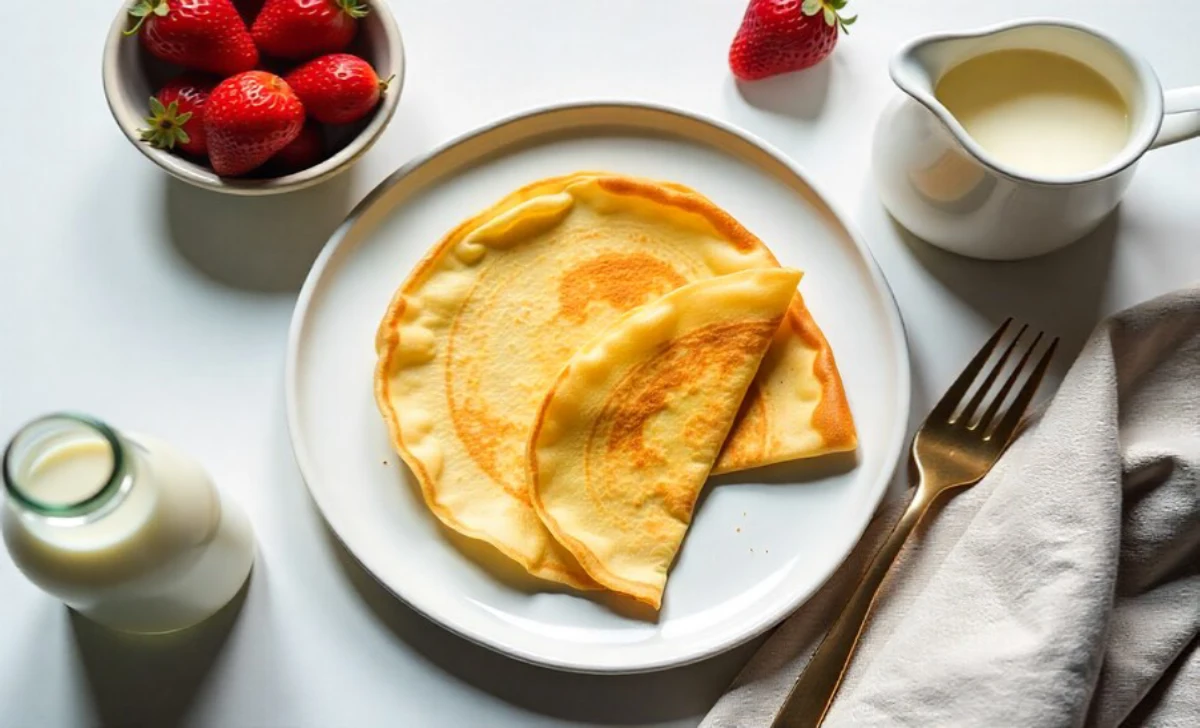
Picture this: You’re sitting at a small Parisian café, watching the morning sun filter through plane trees while a crispy-edged crepe arrives at your table. The first bite reveals paper-thin layers with just the right amount of chew, filled with whatever your heart desires. Now imagine creating that exact experience in your own kitchen without fancy equipment or culinary school training.
I’ve been making crepes for years, and they’re nowhere near as intimidating as people think. My first attempt looked more like scrambled eggs than delicate French pancakes, but now I can whip up a batch while my coffee brews. This classic French crepe recipe has saved countless brunch gatherings and turned regular weekday mornings into something special. Whether you fill them with Nutella and strawberries or go savory with ham and cheese, crepes adapt to whatever mood strikes you.
What makes this recipe special? You probably have every ingredient sitting in your pantry right now. No obscure French imports needed. Just eggs, flour, milk, butter, and a pinch of salt. Five ingredients that transform into something that feels fancy but costs less than a drive-through breakfast. Plus, the batter actually tastes better after resting, which means you can mix it before bed and wake up ready to cook.
Ready to master the classic French crepe recipe? Let’s get you flipping like a pro.
Ingredients You Already Have
For the Batter (Makes 12-14 crepes):
- 1 cup all-purpose flour (spooned and leveled, not packed)
- 2 large eggs (room temperature works best)
- 1¼ cups whole milk (2% works too, but whole milk creates richer flavor)
- 2 tablespoons melted butter (plus extra for the pan)
- ¼ teaspoon salt
- Optional: 1 tablespoon sugar (if making sweet crepes)
- Optional: 1 teaspoon vanilla extract (for dessert versions)
Swap Notes: Can’t do dairy? Oat milk creates a surprisingly authentic texture. Skip the butter and use neutral oil instead. For gluten-free crepes, try a 1:1 baking flour blend, though they’ll be slightly more delicate when flipping.
How to Make Classic French Crepes
1. Blend Your Batter
Toss all ingredients into a blender and pulse for 30 seconds until smooth. Scrape down the sides and blend another 10 seconds. You want zero lumps. No blender? Whisk the eggs first, add half the milk, then the flour and salt. Whisk hard for two minutes, then add the remaining milk and melted butter. Strain through a fine-mesh sieve to catch any stubborn clumps.
2. Let It Rest
Transfer batter to a bowl or pitcher, cover with plastic wrap, and refrigerate for at least 30 minutes. This step isn’t optional. Resting lets the flour fully hydrate and air bubbles settle, which prevents your crepes from tearing. I usually make the batter the night before and let it chill overnight.
3. Prep Your Workspace
Set up a plate for finished crepes with a clean kitchen towel draped over it to keep them warm. Pour melted butter into a small bowl with a pastry brush nearby. Place your spatula within reach. Once you start cooking, things move fast.
4. Heat Your Pan
Use an 8 or 10-inch nonstick skillet over medium heat. Let it warm for three minutes. Test readiness by flicking a drop of water onto the surface. It should sizzle immediately, then evaporate. Brush the pan lightly with melted butter.
5. Pour and Swirl
Pour ¼ cup batter into the center of your hot pan. Immediately lift the pan off the heat and tilt it in a circular motion, letting batter flow to the edges. Work quickly. You have about three seconds before it sets. Don’t worry if the first one looks uneven. That’s the “test crepe” every cook expects to mess up.
6. Cook the First Side
Return the pan to the heat and cook for 60 to 90 seconds until the edges turn golden and start pulling away from the sides. You’ll see the surface change from glossy to matte. Tiny bubbles will form and pop.
7. Flip with Confidence
Slide your spatula under the crepe edge and flip in one smooth motion. If you’re nervous, use your fingers to grab the edge and flip (just don’t touch the hot pan). Cook the second side for 30 to 45 seconds. It won’t brown as evenly as the first side, so that becomes your “inside” when you fill it.
8. Stack and Repeat
Slide the finished crepe onto your plate and cover with the towel. Brush the pan with butter again and repeat with the remaining batter. You’ll get faster with each one. By crepe number five, you’ll feel like a French chef.
Nutrition at a Glance
Each plain crepe contains roughly 80 calories, 3g protein, 9g carbohydrates, and 3g fat. These numbers shift based on your fillings. The base recipe provides steady energy from protein and carbs without weighing you down. Add fresh fruit for fiber and vitamins, or protein-rich eggs and cheese for a filling meal.
What to Serve with Your Crepes
Sweet crepes shine with fresh berries, whipped cream, lemon juice, and powdered sugar, or the classic Nutella-banana combo. For breakfast, serve alongside crispy bacon or sausage links to balance the softness.
Savory crepes pair beautifully with sautéed mushrooms and gruyere, ham and Swiss with Dijon mustard, or scrambled eggs with fresh herbs. Add a simple green salad dressed with vinaigrette for lunch. Want a lighter weeknight pairing? This sheet pan salmon works well alongside savory buckwheat crepes for a quick dinner that feels complete without much effort.
Try my favorite: Fill crepes with sautéed spinach, ricotta, and a sprinkle of nutmeg. Top with a fried egg and watch the yolk run into all those layers.
Variations Worth Trying
Buckwheat Crepes: Replace half the all-purpose flour with buckwheat flour for authentic galettes. These work better for savory fillings and have a nutty, earthy taste.
Chocolate Crepes: Add 2 tablespoons of cocoa powder to your batter. These taste incredible, filled with peanut butter and sliced bananas.
Herb Crepes: Whisk in 2 tablespoons minced fresh herbs (chives, parsley, or dill) for savory applications.
If you’re looking for a low-carb alternative on days you want something lighter, this cauliflower fried rice is worth bookmarking alongside this recipe. It covers the same ground, quick, simple, and built for weeknights.
Storage, Troubleshooting, and Make-Ahead Tips
Storage: Stack cooled crepes between parchment paper squares, seal in a zip-top bag, and refrigerate up to three days. They also freeze well for three months. Thaw in the fridge overnight, then reheat gently in a dry skillet.
Troubleshooting: Crepes tearing when you flip? Your batter might be too thin. Add a tablespoon of flour. Crepes too thick and cake-like? Thin batter with milk, one tablespoon at a time. First crepe always sticks? That’s your pan’s way of seasoning itself. The rest will release perfectly.
Make-Ahead: Cook all your crepes in advance, stack them with parchment, and store them in the fridge. When guests arrive or hunger strikes, just fill and serve. You can also reheat filled crepes in a 350°F oven for five minutes.
Kid-Friendly Hack: Let children choose their own fillings and fold their own crepes. My niece loves strawberry jam with cream cheese. My nephew wants scrambled eggs and ketchup (don’t judge, he eats it). The classic French crepe recipe becomes a build-your-own bar that keeps everyone happy.
Pan Temperature Matters: Too hot, and your crepes develop brown spots before cooking through. Too cool, and they turn rubbery. Medium heat gives you golden, tender crepes every time. Adjust as you go. Skillets can run hot or cool depending on your stovetop.
The Resting Period Explained: When flour meets liquid, gluten strands form and tighten. Resting relaxes those strands, creating tender crepes instead of chewy ones. Science makes a better breakfast.
Start Simple, Then Make It Your Own
You’ve just learned a classic French crepe recipe that opens doors to hundreds of meal possibilities. Sweet or savory, breakfast or dinner, simple or fancy, crepes bend to your creativity. The batter costs pennies, the technique takes practice (but not much), and the results impress everyone who takes a bite.
Start with the basic recipe until your hands remember the rhythm. Then experiment. Add orange zest to the batter. Try different cheeses. Drizzle with maple syrup or sprinkle with cinnamon sugar. Cook them for your family on Sunday morning or prep a batch for quick weekday breakfasts. Fill them with last night’s leftovers and call it lunch.
The beauty of this classic French crepe recipe lies in its flexibility. You decide what happens next.