




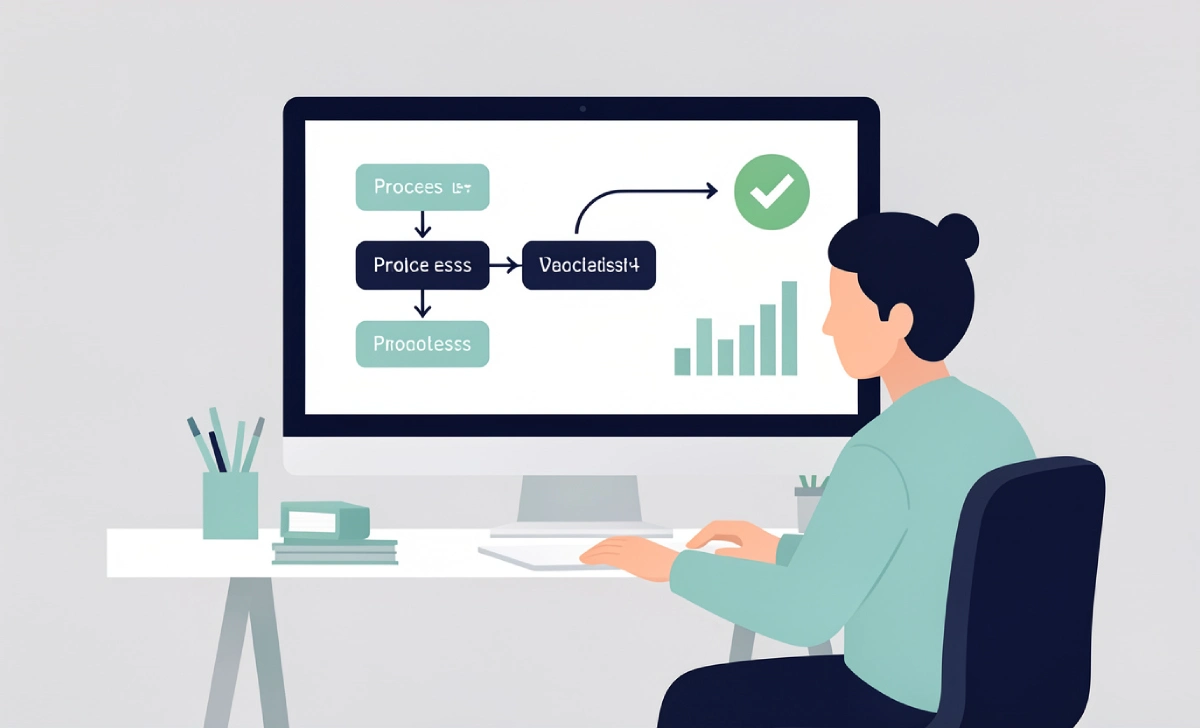
Adacanpm is an emerging digital productivity framework that combines workflow automation, adaptive processes, and performance tracking into one logical structure. Rather than a single software product, it works as a practical approach you can apply to existing tools and team setups to reduce friction, cut context-switching, and keep your work moving without constant manual oversight.
What makes Adacanpm worth paying attention to right now is its flexibility. Whether you run a solo freelance operation or manage a cross-functional team at a mid-size company, the core principle stays the same: build systems that adapt when reality changes, not after it already derailed you. The steps are straightforward, the entry point is low, and the compounding effect on your daily output is real.
What Adacanpm Actually Means
If you searched this term and landed here wondering what the word even refers to, you’re not alone. Adacanpm doesn’t carry a rigid, fixed definition the way “CRM” or “SaaS” does. Most practitioners describe it as a shorthand for adaptive, connected, automated project and workflow management — a framework you use to unify the messy middle where planning ends and actual execution begins.
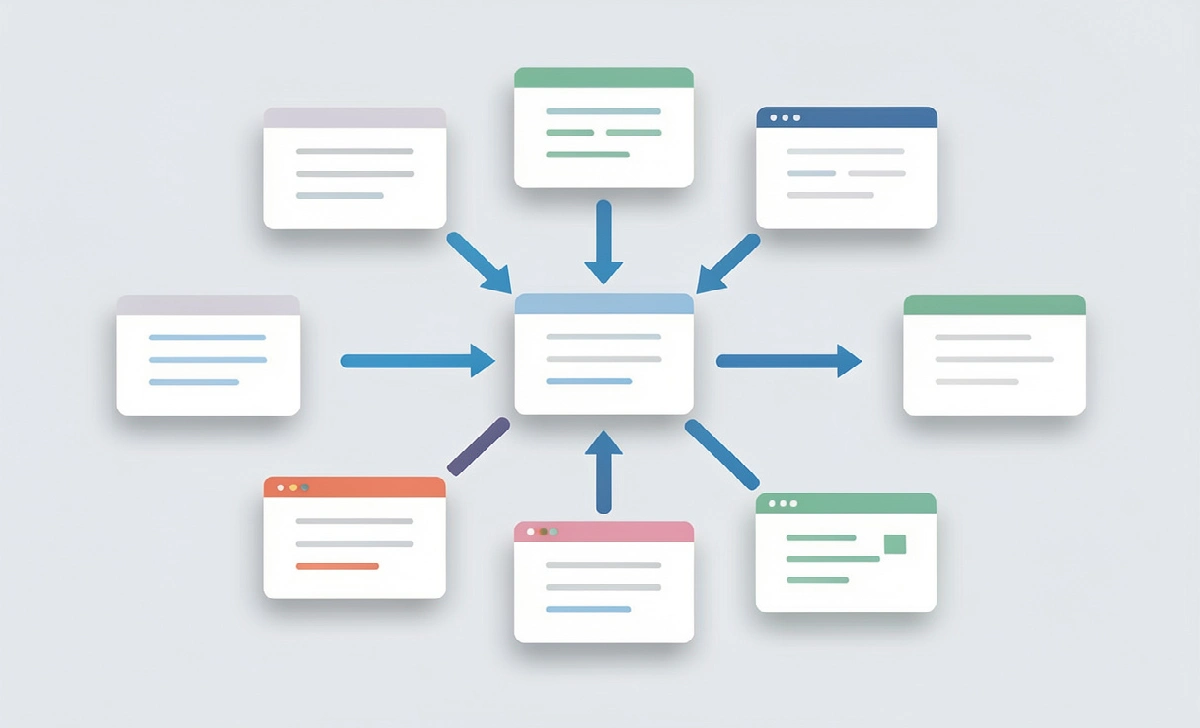
The simplest way to think about it: most teams today use five to ten different tools on a given workday. A task manager here, a reporting dashboard there, a chat app, a shared doc, maybe a separate scheduling tool. Each one works fine on its own. Together, they create gaps — dropped handoffs, delayed updates, decisions made without the full picture.
Adacanpm, as a concept, pushes back against that fragmentation. You pull your key workflows under one coherent structure, wire in automation where it makes sense, and set up tracking that tells you in real time whether things are on track or quietly slipping.
A fair critique: it’s still a developing idea. You won’t find one definitive adacanpm product on a store shelf. What you will find are teams using its principles with existing project management tools, layering in automation and adaptive check-ins to get a similar result. That’s not a weakness — it’s what makes the framework accessible without requiring a full tech overhaul.
Where It Actually Gets Applied
The reason adacanpm keeps coming up across different industries is that workflow problems don’t belong to one sector. The underlying friction — slow feedback loops, poor visibility, manual work that should be automated — shows up everywhere from marketing teams to healthcare operations.
For a small marketing team, the application might look like this: campaign briefs, asset approvals, and performance data all live in separate places. Someone has to manually pull the numbers after a launch to figure out what worked. With an adacanpm-style setup, the reporting triggers automatically once a campaign ends, the next task gets assigned without a separate email, and the team sees what performed well before the post-mortem meeting happens. That’s not magic — it’s workflow automation applied with a clear purpose.
For a product team, short build cycles replace long, rigid plans. After each cycle, the team runs a quick check: does this still match what users actually need? The adacanpm approach treats that review as a non-negotiable step, not an optional add-on. Real-time collaboration becomes the default rather than the exception.
For someone managing personal projects or freelance work, this scales down just as well. Map your main workflow, find the two or three steps that drain your time most, and automate or systematize those first. You don’t need enterprise tools or a dedicated ops person to apply the logic. You need a clear picture of where your time disappears.
One thing worth stating plainly: adacanpm isn’t the right fit for every setup. If your work is genuinely simple and low-volume, a single shared spreadsheet might serve you better than building an integrated system around it. Match the approach to the actual problem, not the other way around. You can read more about choosing the right digital productivity framework for your specific context at whosvalora.
The Real Strategic Value (And the Honest Tradeoffs)
Teams that adopt adacanpm principles don’t just save time on individual tasks. Over six to twelve months, they tend to make faster decisions, spot bottlenecks earlier, and recover from unexpected changes without everything stalling out. That compounding effect is the actual business efficiency case for the framework — not any single feature.
The second-order benefit is resilience. When your system is built to adapt, disruptions become data points rather than crises. A supply chain delay, a shift in platform algorithms, a team member leaving mid-project — these hit differently when you have adaptive workflows in place versus when you’re running a rigid plan that can’t flex.
That said, the common failure mode is worth naming directly. Some teams hear “adaptive” and interpret it as “no fixed plan.” They pivot constantly based on whoever spoke last in the meeting. That’s not adacanpm — that’s just drift. The framework works when your core objective stays fixed and your path to it stays flexible. If you’re unclear on the goal, no amount of automation fixes that.
Non-technical users can also hit a real wall during setup. Connecting tools, configuring automation triggers, and building dashboards takes time and some patience. Free resources exist — most project management tools publish documentation and community forums where users share templates and troubleshooting threads. Starting with one pre-built workflow template rather than building from scratch is almost always the better move.
Integration hiccups with less common or legacy tools are also real. Before committing to a new setup, check whether your existing tools support the connections you need. A quick audit of your current stack before you restructure anything saves significant frustration later. For a practical breakdown of how workflow automation compares across popular project management tools, optiondiv4 covers that ground well.
How to Get Started Without Overcomplicating It
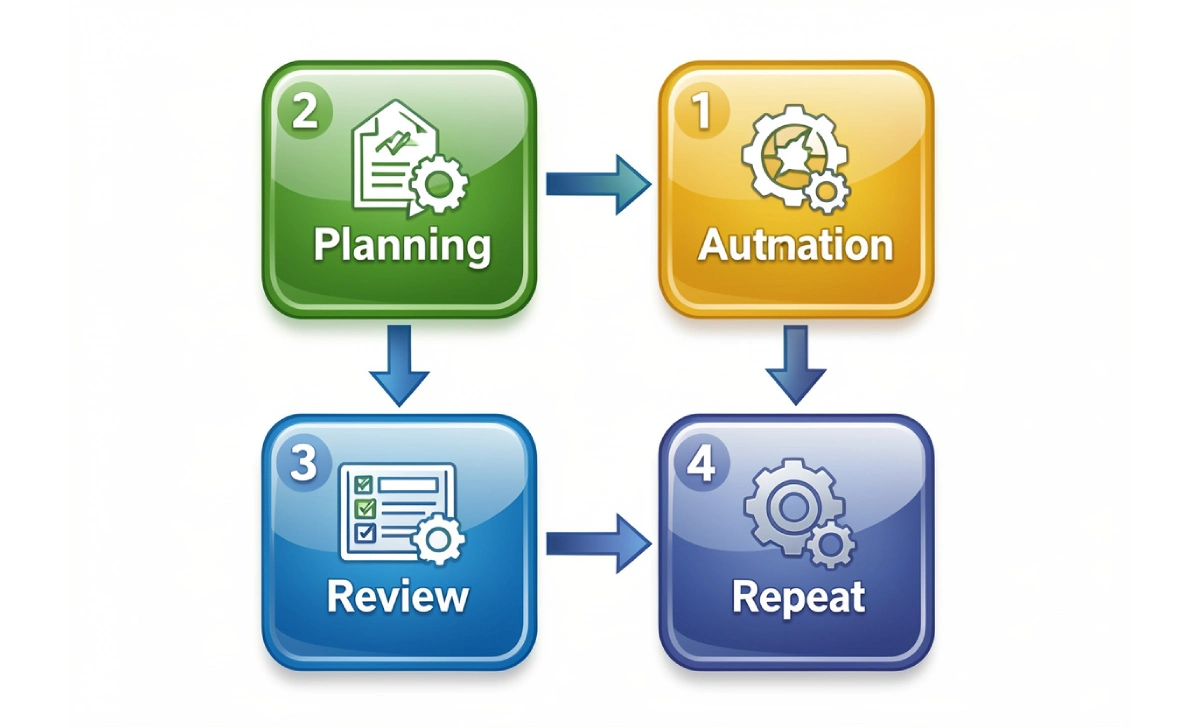
You don’t need to rebuild your entire work system on day one. Start with one process that consistently causes friction — campaign reporting, task handoffs between team members, client update emails — and work through it step by step.
First, write out how that process actually works right now, not how it’s supposed to work. Every manual step, every tool you touch, every person who needs to be notified. That map usually reveals two or three obvious places where automation or better visibility would save real time.
Next, pick one of those spots and fix it. Use whatever tool you already have access to — most project management platforms now include basic automation features at no extra cost. Set up a trigger: when task A completes, task B gets assigned, and the relevant person gets notified. Run it for two weeks and observe.
Then do the same for individual needs versus team needs separately. A solo freelancer optimizing their own workflow moves differently from a team lead trying to create consistency across five people. For individual setups, start with personal task tracking and a single automation. For teams, the priority is shared visibility — everyone seeing the same status in real time before building automation on top.
From there, the process repeats. One friction point, one fix, two weeks of observation, then the next one. Within three months, you’ll have built a noticeably cleaner operation without ever having to overhaul everything at once. More grounded step-by-step guidance on building out these workflows is available at soinkson.
Frequently Asked Questions
What exactly is adacanpm, and how does it work?
Adacanpm is a framework for managing digital work that combines adaptive planning, automation, and performance tracking. It works by helping you unify scattered workflows, reduce manual steps, and build feedback loops that let you adjust quickly when things change.
What are the main benefits of using adacanpm for teams?
Faster decision-making, better task visibility, fewer dropped handoffs, and a workflow that holds up when conditions shift unexpectedly. Over time, teams that use it tend to spend less time reacting to problems and more time on work that moves the project forward.
How can I get started with adacanpm in my daily work?
Pick one workflow that drains your time, map every step in it, identify where automation would help most, and implement one fix. Give it two weeks before touching anything else.
Is adacanpm better than tools like Asana or Trello?
Adacanpm isn’t a tool — it’s a way of working that you can apply using Asana, Trello, or any similar platform. The framework is about how you structure and connect your workflows, not which software sits underneath.
Disclaimer: Adacanpm is an emerging concept without a single standardized definition across the industry. The guidance in this article reflects practical applications of its core principles as they are currently understood and used by teams across different fields.