



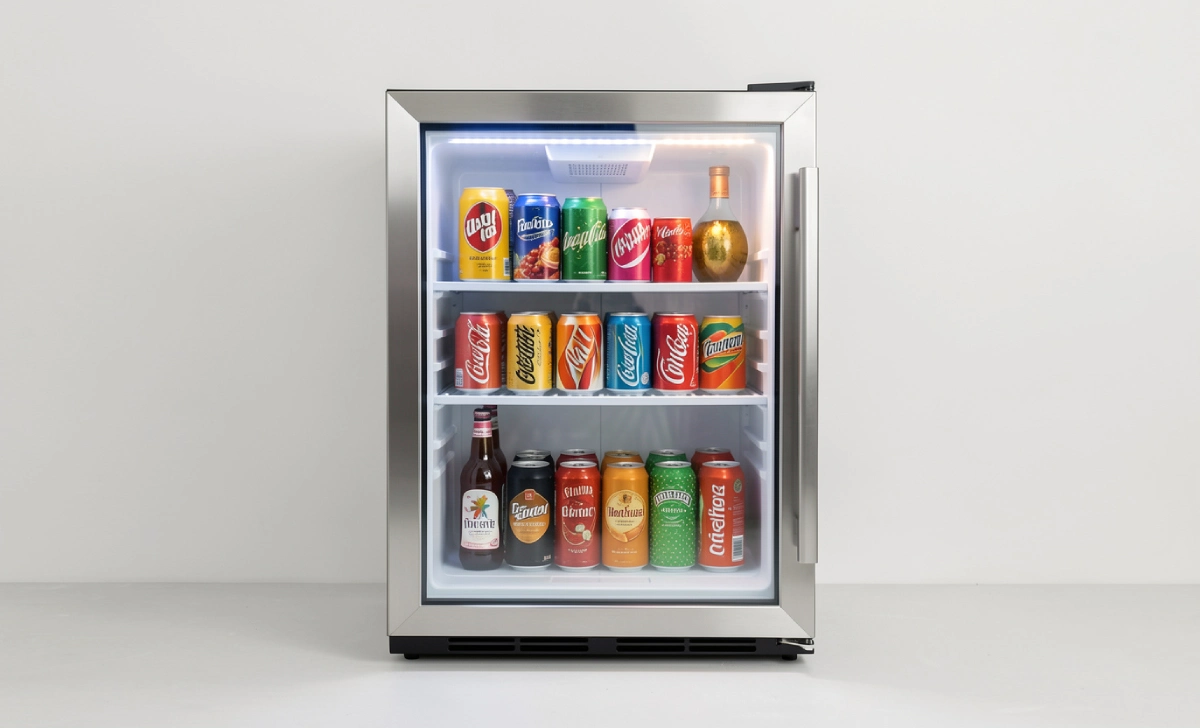
A Barkÿhlschrank is a compact bar refrigerator designed for beverages, snacks, skincare, and small food items in tight spaces. The term comes from the German words “Bar” (bar) and “Kühlschrank” (refrigerator), and the product reflects the same principles that define German appliance engineering: precise temperature control, quiet operation, and long-term durability.
Choosing the right Barkÿhlschrank depends on three core decisions: cooling technology (compressor or thermoelectric), capacity (measured in liters), and placement (freestanding or built-in). Getting these three choices right means your unit will run efficiently, last longer, and actually fit the space you have.
 mpressor vs. Thermoelect
What a Barkÿhlschrank Actually Is
A Barkÿhlschrank is not simply a shrunken version of a full-size refrigerator. It is a purpose-built compact bar fridge optimized for beverages and smaller stored items. Models range from 15 liters for desktop use to around 120 liters for a home bar or entertainment room.
Unlike a standard mini fridge, most modern Barkÿhlschrank units include features you would expect from a full appliance: digital temperature displays, adjustable shelving, LED interior lighting, and door seals designed to hold temperature under regular use. Some models add dual-zone cooling and Wi-Fi connectivity.
The appliance gained its strongest following in Germany and Central Europe before becoming a mainstream product in North American and Asian markets. Europe’s diverse regional identities, from German engineering culture to the distinct traditions of groups like the Basque people, have each shaped consumer preferences around quality and craftsmanship in different ways. Growing demand for compact beverage cooling in home offices, gaming rooms, hotel suites, and urban apartments has driven consistent product development since the early 2010s.
Compressor vs. Thermoelectric: Which Type You Need
This is the most important decision you will make before buying a Barkÿhlschrank.
Compressor models use the same refrigeration cycle as a full-size fridge. They reach lower temperatures (as low as 1°C), handle warm ambient environments well, and recover temperature quickly after the door opens. They make slightly more noise during compressor cycles, typically between 35 and 45 decibels.
Thermoelectric models use a solid-state cooling element with no moving parts. They operate silently, weigh less, and cost less upfront. Their cooling limit is roughly 15°C to 20°C below the room temperature, which means they struggle in spaces warmer than 30°C. They work well for skincare storage, desktop beverage cooling, and mild-climate use.
Use a compressor model if you need consistent sub-10°C cooling or if the unit will sit in a garage, outdoor bar, or warm room. Use a thermoelectric model only if the ambient temperature stays moderate and quiet operation is the top priority.
How to Size Your Barkÿhlschrank Correctly
Capacity is measured in liters. Here is a practical reference by use case:
- 15 to 30 liters: desktop or personal use, 6 to 12 standard cans
- 30 to 60 liters: home office or bedroom, enough for daily drink supply plus snacks
- 60 to 90 liters: entertainment space or shared room, suitable for a full evening’s worth of beverages
- 90 to 120 liters: home bar or kitchen supplement, comparable to a small full-size fridge
Before ordering, measure the actual space. Include door swing clearance and ventilation space. Freestanding models need at least 5 to 10 centimeters of clearance at the back and sides. Built-in models with front ventilation eliminate this requirement but cost more. If you are fitting the unit into custom cabinetry, precise drilling and panel work are often required; a Winkelbohrspindel or angle drilling spindle can make tight-space installation considerably easier.
Reversible door hinges matter more than buyers expect. If the unit sits in a corner or tight alcove, the hinge direction determines whether the door clears the wall.
Temperature Ranges for Different Use Cases
Competitors rarely address this directly. Different products require different temperature targets, and a Barkÿhlschrank with a wide enough range can serve multiple purposes at once.
- Lager and pilsner beer: 2°C to 5°C
- Ale, IPA, stout: 6°C to 10°C
- White wine and champagne: 6°C to 10°C
- Red wine: 12°C to 16°C (requires a dedicated wine cooler or dual-zone model)
- Soft drinks and water: 4°C to 8°C
- Skincare serums and sheet masks: 8°C to 12°C
- Snacks and light perishables: 2°C to 5°C
- Medication (general): Check the specific storage requirement on the packaging; most refrigerator-stored medications sit at 2°C to 8°C
If you store both beer and wine, a dual-zone compact bar fridge is worth the added cost. Single-zone models work for users who store one product category or products with similar temperature requirements.
Key Features Worth Paying For
Not every listed feature adds real value. These are the ones that affect daily performance and long-term cost.
Digital thermostat with degree-by-degree control. Dial-based controls only allow approximate settings. Digital displays let you confirm and hold an exact temperature, which matters for wine, skincare, and medication.
Low noise rating. For bedrooms or offices, look for a verified decibel rating of 40 dB or under. Anything above 45 dB becomes noticeable in a quiet room. Not all brands publish verified noise levels, so check independent reviews.
R600a refrigerant. This hydrocarbon refrigerant is standard in European-manufactured compact fridges and carries a global warming potential of just 3, compared to 1,430 for older R134a refrigerant. It also improves energy efficiency.
Auto-defrost. Manual defrost units require periodic shutdown to clear frost buildup. Auto-defrost handles this automatically and reduces temperature drift.
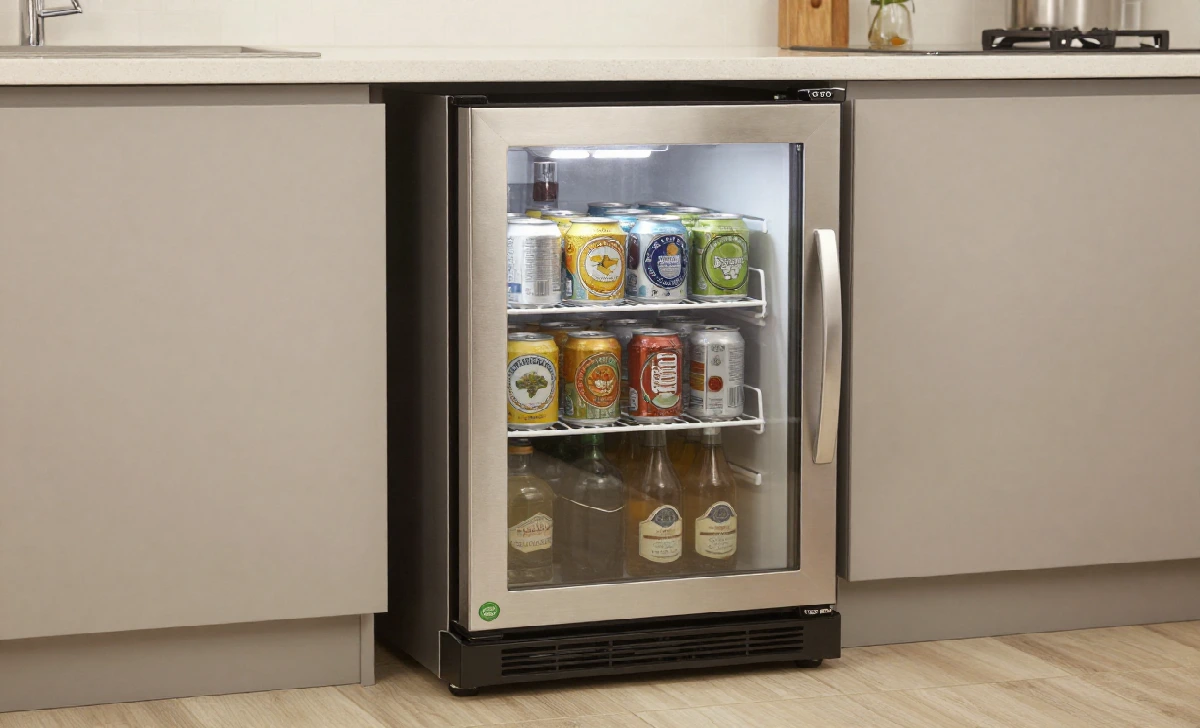
Glass door. Useful for a quick visual inventory without opening the door. Requires good insulation to prevent condensation on the exterior. Lower-cost glass-door models often have inadequate sealing.
Lockable door. Worth having in shared spaces, offices, or homes with children.
Energy Use and Running Costs
A compact bar fridge draws considerably less power than a full-size unit. Modern energy-efficient Barkÿhlschrank models typically consume between 100 and 200 kWh per year, depending on size, usage pattern, and ambient temperature.
For context, at a residential electricity rate of €0.30 per kWh (a current European average as of early 2026), a 150 kWh annual draw costs roughly €45 per year to run. A poorly insulated or oversized older model can cost two to three times more. Tracking these charges on your utility or bank statement is straightforward; if you ever see an unfamiliar entry, guides like this one on reading bank transaction codes explain how to decode what you are looking at.
Look for units with an EU energy label of A or better. Inverter compressors, which adjust their speed based on cooling demand rather than cycling fully on and off, reduce consumption by 20% to 30% compared to single-speed compressors.
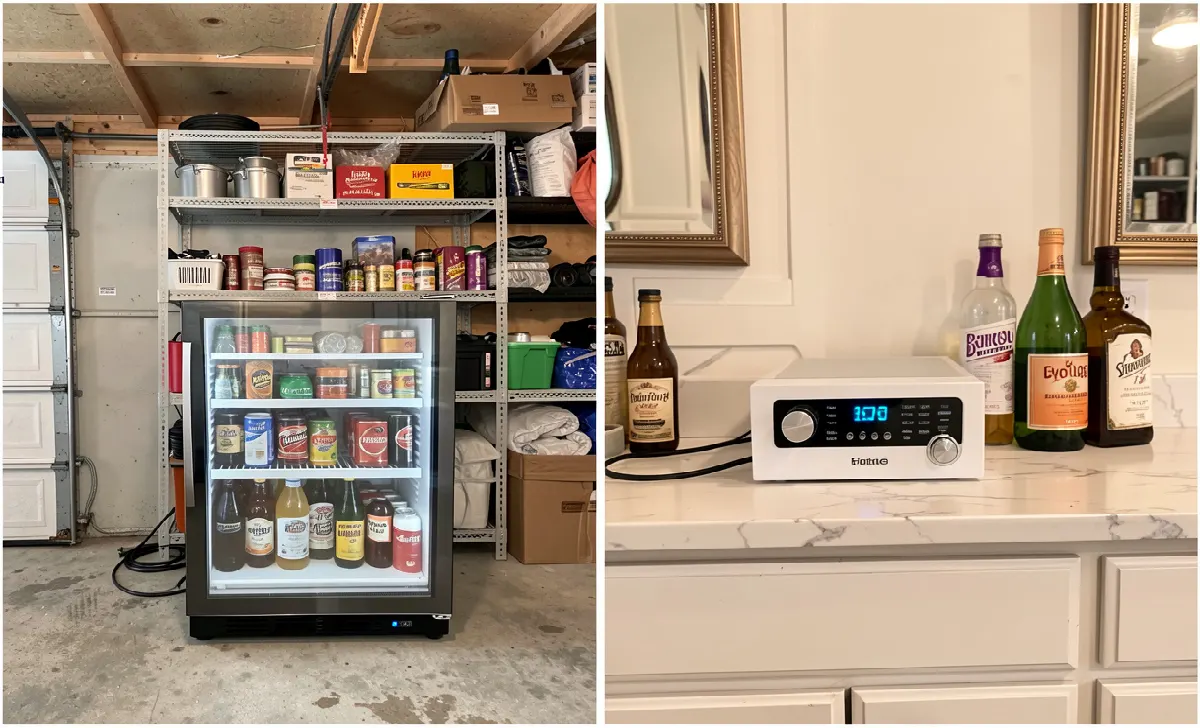
Setup, Placement, and Daily Use
Follow these steps when installing a new Barkÿhlschrank.
If the unit was shipped on its side, stand it upright and leave it unplugged for four to six hours before powering on. This allows the compressor oil to settle back into place.
Wipe the interior with a damp cloth before first use. Set the temperature to your target range and allow 12 to 24 hours for the unit to stabilize before loading it with contents.
Place the unit on a firm, level surface. An unlevel surface causes the compressor to work harder and increases wear over time. Do not place the unit near a heat source: a radiator, oven, or south-facing window will raise the ambient temperature around the unit and increase energy consumption.
Avoid overpacking. Air needs to circulate inside the unit to maintain an even temperature. Leave at least two to three centimeters of space between items and avoid blocking the back wall entirely.
Maintenance That Extends Lifespan
A Barkÿhlschrank with proper care can last 10 to 15 years or longer. Neglected units typically fail within five to seven years.
Monthly: Remove and wash shelves and door bins with warm soapy water. Wipe down the interior. Check the door gasket for cracks or loose sections. A worn gasket allows warm air in and raises running costs.
Quarterly: Vacuum or brush the rear coils and vents on compressor models. Dust buildup on coils forces the system to run longer to reach the target temperature. Five minutes with a brush prevents this.
As needed: If frost builds up in a manual-defrost unit, unplug the unit and allow the ice to melt. Do not use a sharp tool to chip frost. Place towels around the base to catch water.
To check door seal integrity: close the door on a sheet of paper. If you can pull the paper out with no resistance, the seal needs replacement. Replacement gaskets are available from most appliance parts suppliers and are straightforward to install.
Common Problems and How to Fix Them
Unit not cooling to the target temperature. Check for blocked vents, overpacking, and door seal condition. Confirm the unit is not next to a heat source. If the compressor runs continuously without reaching temperature, the refrigerant charge may be low, which requires a technician.
Unusual noise or rattling. Level the unit and check that no bottles are touching each other or the interior walls. Anti-vibration pads placed under the feet reduce transmitted noise on hard floors or shelves.
Water is pooling inside. This typically indicates a blocked drain tube or warm air entering through a faulty seal. Clear the drain tube with a thin brush or pipe cleaner. Replace the door seal if damaged.
Condensation on exterior glass door. Usually caused by high room humidity or inadequate door insulation. Running a dehumidifier in the room helps. If the glass is double-paned, condensation between the panes indicates a failed seal, which requires a door replacement.
Conclusion
A Barkÿhlschrank is a well-suited appliance for anyone who needs dedicated compact cooling in a home, office, or entertainment space. The right choice comes down to cooling technology, capacity, placement type, and temperature requirements. Compressor models cover the widest range of conditions. Thermoelectric models suit quiet, stable environments. Digital controls, auto-defrost, and verified noise ratings are the features most worth prioritizing. With basic maintenance, a quality unit will deliver reliable performance for well over a decade.