





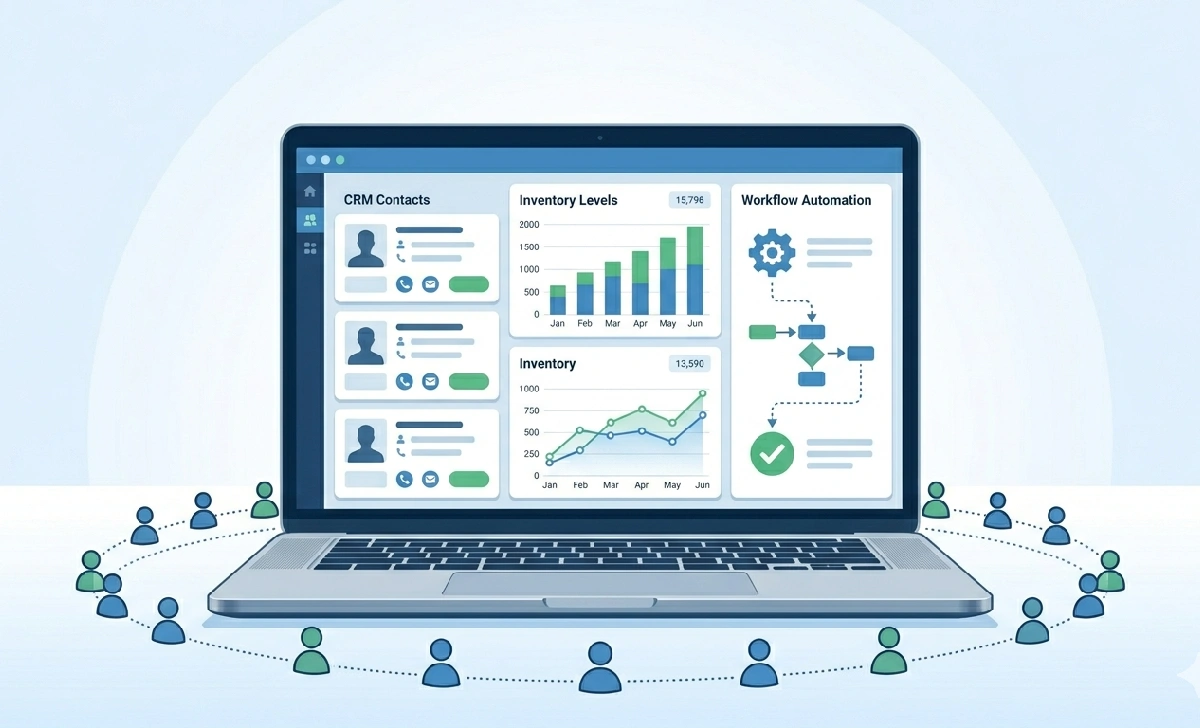
What is Erpoz? Erpoz is both a business management mindset and a software platform designed to align people, processes, and technology. It helps organizations make faster decisions, automate key workflows, and adapt to market changes without losing operational clarity. Whether applied as a cultural framework or a practical digital tool, Erpoz addresses a core modern challenge: staying coherent while moving fast.
The first time most people encounter the word “Erpoz,” they pause. It doesn’t slot neatly into a known category. Is it a software product? A management theory? A place? The honest answer is that it’s been described as all three — and that ambiguity is actually worth paying attention to.
This article breaks down what Erpoz means across its different contexts, what makes it worth understanding right now, and how the concept applies practically — whether you’re running a business, exploring a digital tool, or simply trying to make sense of a term that keeps showing up in search.
What Erpoz Actually Means
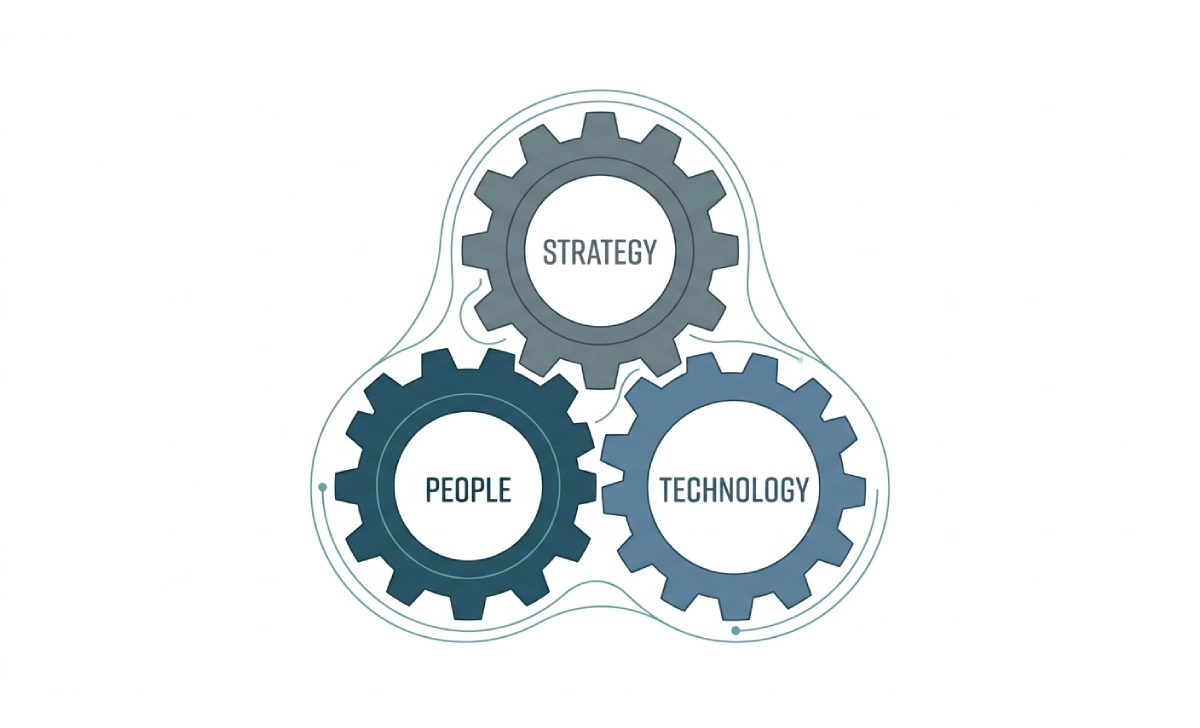
At its clearest, Erpoz refers to a business alignment concept and software platform built around one core idea: that strategy, people, and technology should move together — not in separate lanes that occasionally merge.
The framework addresses something most organizations feel but rarely name. Plans get made at the top. Teams execute in the middle. Tools sit underneath. These three layers often operate with only partial awareness of each other. Erpoz, as a concept, is the connective tissue between them.
This is not the same thing as generic “digital transformation” advice. The mindset is specific: decisions should be adaptive, not static; teams should operate with purpose, not just process; and technology should serve strategy, not complicate it. That sounds straightforward because it is. The harder part is building an organization that actually works this way.
Where the Term Comes From — and Why It Resists Easy Definition
Erpoz did not arrive with a press release or a venture-backed launch. It emerged from entrepreneurial and tech communities as a name for patterns that practitioners already recognized but couldn’t easily describe within existing frameworks.
This mirrors something broader happening in how new concepts spread. Much like Jememôtre — a French-rooted term that grew organically in digital spaces because it captured a feeling people had but lacked a word for — Erpoz filled a gap in the vocabulary of business operations. Both concepts resist being pinned to a single definition. That flexibility is part of why they travel.
One competitor framed it as a destination. Another is a purely digital innovation story. What they both miss is the operational specificity: Erpoz works as a concept because it describes the gap between how organizations plan and how they actually run. Naming that gap lets you work on it.
The Core Principles Behind the Erpoz Framework
Understanding Erpoz as a mindset means looking at what it actually asks of an organization. Five principles recur across most serious discussions of it:
Adaptive strategy. Plans are working documents, not finished products. They should change when circumstances do — without requiring a full leadership review cycle to do so.
Intention-driven decisions. Each action connects back to a stated purpose. This isn’t soft language — it’s a mechanism for reducing organizational noise, the endless activity that doesn’t actually move anything forward.
Continuous learning loops. Feedback isn’t something you collect at the end of a project. It’s embedded in the process itself, so course-corrections happen in real time rather than post-mortem.
Empowered teams. Autonomy without accountability is chaos. Erpoz balances both — teams are trusted to make decisions within clearly aligned principles, not just given latitude and then left unsupported.
Deliberate technology use. Tools are chosen to support workflows, not the other way around. This matters more than it sounds in an era when software stacks grow faster than the problems they were supposed to solve.
Erpoz as Software: What the Platform Actually Does
Alongside the conceptual framework, there is an Erpoz software platform — a business management system built to make the mindset operational.
The core features cover several areas that mid-size businesses typically manage across separate tools: inventory tracking, CRM (customer relationship management), automated billing and invoicing, multi-channel sales management, and customizable reporting dashboards. The integration of these into a single platform is where the value shows up in practice.
Here’s why that matters: most operational friction in growing businesses comes from data that lives in multiple places. Your sales team uses one system. Your inventory runs on another. Your finance team exports spreadsheets from a third party. Erpoz’s approach — building around centralized, real-time data — addresses that structural problem directly.
This is worth comparing to how content creators have started experimenting with integrated digital workflows. A widely-read experiment documented on WeeklyInsights found that combining AI writing tools with structured human oversight cut production time significantly while preserving quality — but only when all the moving parts were deliberately coordinated. The lesson applies directly: the tool itself is not the advantage. The coordination it enables is.
Who Is Actually Using Erpoz — and What They’re Getting From It
The clearest use cases for Erpoz software fall into three operational categories.
Retail and e-commerce businesses benefit most directly from the inventory and CRM integration. Real-time stock tracking prevents the two most common inventory failures — running out of in-demand products and sitting on excess stock that ties up capital. When that data connects to customer purchase history, promotional timing and restocking decisions get measurably sharper.
Manufacturing operations gain from workflow standardization. When production stages are mapped into an automated system, delays surface earlier and consistency improves across shifts. The reduction in production downtime is one of the more quantifiable returns.
Professional services and project-based teams use the reporting and task management features to improve cross-department visibility. Knowing where a project actually stands — not where someone guessed it stood during the last update — changes how teams allocate attention.
In each case, the gain is not the software itself. It’s the organizational clarity that comes from having everyone working from the same data set.
Comparing Erpoz to Similar Business Management Tools
The business management software category is crowded. Here is an honest look at how Erpoz positions relative to the main alternatives:
| Criteria | Erpoz | Traditional ERP Systems | Point Solutions |
|---|---|---|---|
| Setup complexity | Low to moderate | High | Low |
| Integration scope | Broad (CRM, inventory, billing) | Broad but rigid | Narrow |
| Pricing transparency | Clear | Often opaque | Variable |
| Scalability | Built-in | High, but costly | Limited |
| Alignment with strategic goals | Central to the design | Typically workflow-only | Minimal |
The differentiating factor for Erpoz is the last row. Most business tools are built around efficiency — do the task faster, with fewer steps. Erpoz is built around alignment — ensure the task serves a purpose that connects to broader organizational goals. For larger enterprises with deep customization budgets, traditional ERP systems may still be the right fit. For growing businesses that need coherence without complexity, Erpoz addresses a real gap.
What Getting Started With Erpoz Actually Looks Like
One of the most consistent findings from organizations that have implemented Erpoz is that the onboarding process itself reveals useful things about the business. When you map existing workflows into a new system, you inevitably expose the workflows that don’t make sense, the data that lives in no system at all, and the processes that only one person knows.
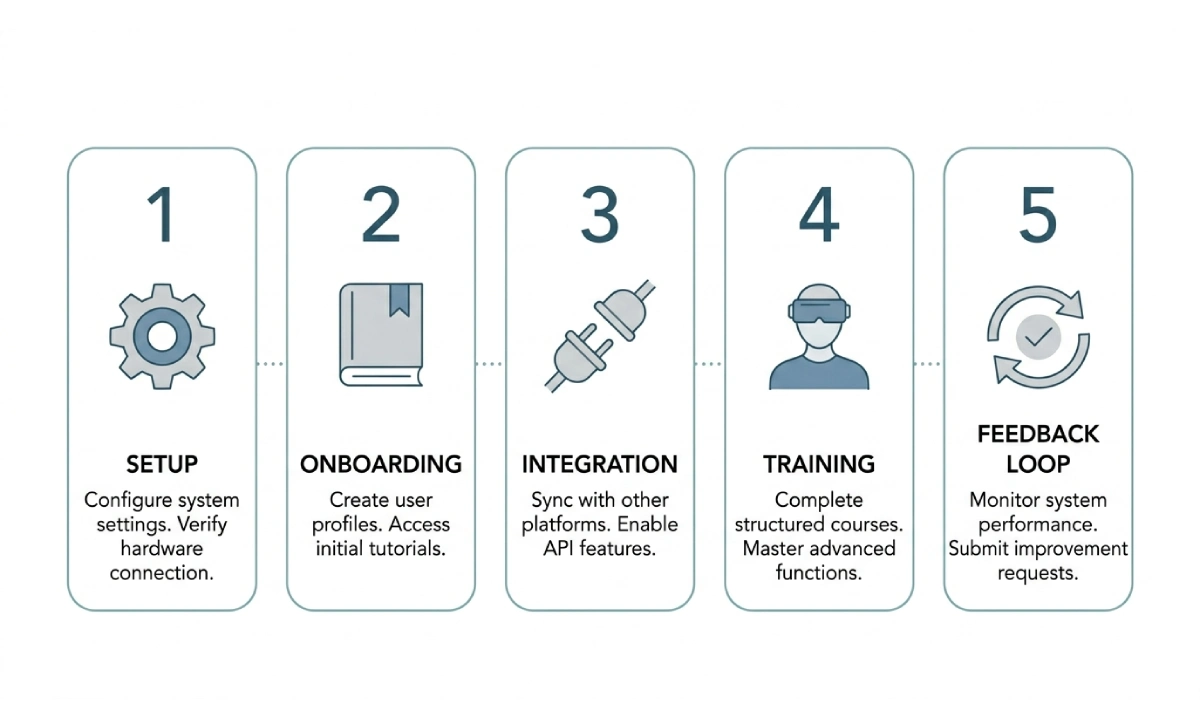
The typical implementation path runs through five stages: account setup and plan selection, guided onboarding (the platform provides structured tutorials rather than dropping teams into a blank interface), integration of existing tools and data migration, team training at the role level, and then the feedback loop — regular evaluation of whether the system is being used as designed and where adjustments are needed.
Starting narrower than you think you should is consistently better advice than trying to migrate everything at once. One department, one workflow, one data set. Then expand from the foundation that actually works. This methodical approach is not specific to Erpoz — it applies to any substantial tooling change. But it’s particularly important here because the platform’s value is cumulative. The more coherently it’s adopted, the more useful the cross-functional data becomes.
For context, this is similar in principle to the cautious, step-by-step evaluation approach used by Android users navigating third-party sources like GetAPKMarkets.com — tools that offer genuine utility when approached with proper verification and a methodical process, but create problems when adopted carelessly. The right tool, used correctly, delivers on its promise.
The Larger Significance of Erpoz in 2026
Erpoz reflects something broader than a single software category or management concept. It’s an attempt to name and address a problem that most organizations in 2026 are living with daily: the gap between the complexity of their operating environment and the rigidity of their decision-making infrastructure.
Markets shift faster than annual plans account for. Customer expectations change between product cycles. Teams grow faster than communication structures do. Static models of organization — the ones built on fixed reporting lines, scheduled reviews, and siloed data — are demonstrably less suited to this environment than they were even a decade ago.
What Erpoz offers, at its best, is a vocabulary and a set of tools for operating differently. Not differently for its own sake, but differently in ways that are actually responsive to the speed and complexity that characterize modern markets. Whether you engage with it as a conceptual framework, evaluate the software platform, or simply use the term as shorthand for the alignment problem it describes, understanding what Erpoz means puts you in a better position to think clearly about how organizations work, and how they could work better.
Conclusion
Erpoz matters because it addresses a real problem with a name and a structure, not just advice to “be more agile” or “embrace change.” The mindset asks leaders to treat strategy as a living process, teams as informed decision-makers, and technology as a deliberate choice rather than an accumulation.
The software platform makes those principles operational — connecting the functions that growing businesses typically run on disconnected tools. The result, when implemented deliberately, is an organization that can move faster and with more coherence than one still relying on static plans and siloed data.
If you’re evaluating Erpoz for your organization, start with the alignment question: where does the gap between planning and execution actually live in your business? That’s where Erpoz addresses its most direct value — and where the conversation is worth having.
FAQs
What is Erpoz used for?
Erpoz is used to align business strategy, team operations, and technology. The software platform handles inventory, CRM, billing, reporting, and multi-channel management from a centralized interface.
Is Erpoz suitable for small businesses?
Yes. The platform scales from early-stage companies to medium-sized enterprises. Its guided onboarding makes it accessible without a dedicated IT implementation team.
How does Erpoz differ from standard ERP systems?
Standard ERP systems prioritize workflow efficiency. Erpoz is built around strategic alignment — ensuring that operational decisions connect to organizational goals, not just process completion.
What industries benefit most from Erpoz?
Retail, e-commerce, manufacturing, and project-based service businesses have reported the clearest gains. Any organization managing inventory, customer relationships, and cross-department workflows can find direct application.
Does Erpoz integrate with existing tools?
Yes. The platform is designed to connect with existing e-commerce channels, payment systems, and common business software, reducing the need to replace working systems entirely.