





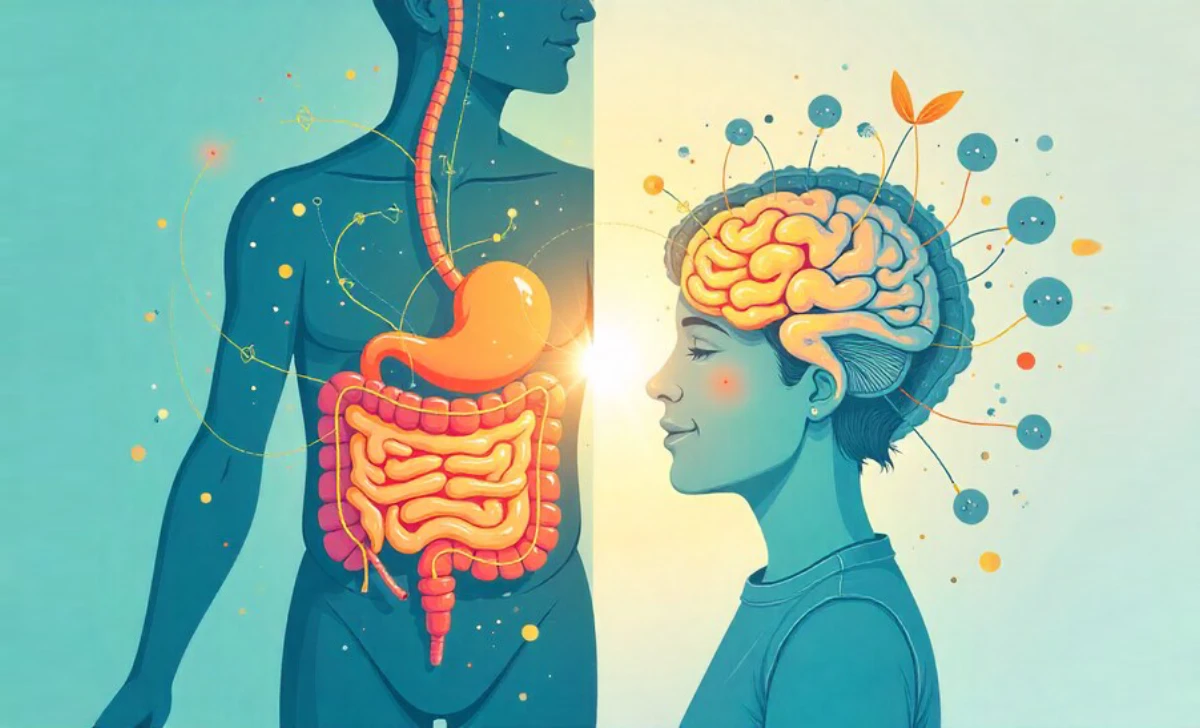
Have you ever noticed how a heavy meal can leave you sluggish, or how stomach troubles seem to appear right before a stressful event? That connection isn’t random. Your gut and brain communicate constantly through a complex network that scientists are only beginning to fully understand. This relationship affects more than just digestion. It influences how you feel emotionally and how much energy you have throughout the day.
Most people think of gut health as something that only matters for avoiding bloating or discomfort. But your digestive system plays a much bigger role in your daily life. The bacteria living in your intestines produce chemicals that affect your brain function, mood stability, and energy levels. When your gut isn’t functioning well, you might feel tired, anxious, or mentally foggy without knowing why.
This article explains how your gut health directly impacts your mood and energy. You’ll learn what happens inside your body, which habits damage this connection, and practical steps you can take to feel better naturally.
Your Gut and Brain Talk to Each Other
Your gut contains around 100 million neurons, more than your spinal cord. Scientists call this the enteric nervous system, and it’s often referred to as your “second brain.” This network doesn’t think like your head brain does, but it sends constant signals that affect your emotions and mental clarity.
The vagus nerve acts as the main communication highway between your gut and brain. Information travels in both directions along this nerve. When your gut experiences inflammation or imbalance, it sends stress signals upward. Your brain receives these messages and may respond with feelings of anxiety, low mood, or mental fatigue.
Research published by Johns Hopkins Medicine shows that this gut-brain axis plays a significant role in conditions like depression and anxiety. People with digestive disorders often experience mental health challenges, and those with mood disorders frequently report gut problems. The connection works both ways.
Gut Bacteria Produce Mood-Regulating Chemicals
Your intestines house trillions of bacteria, fungi, and other microorganisms collectively called your gut microbiome. These tiny organisms do more than help digest food. They produce neurotransmitters that directly affect how you feel.
About 90% of your body’s serotonin is made in your gut. Serotonin is the chemical that helps regulate mood, sleep, and appetite. When your gut bacteria are balanced and healthy, they support normal serotonin production. When the balance gets disrupted, serotonin levels can drop, potentially leading to mood swings, sleep problems, and low energy.
Your gut bacteria also produce other important compounds like dopamine, GABA, and short-chain fatty acids. Dopamine influences motivation and pleasure. GABA helps you feel calm and reduces anxiety. Short-chain fatty acids reduce inflammation throughout your body, including your brain. When inflammation decreases, mental clarity often improves, and fatigue lessens.
Signs Your Gut Might Be Affecting Your Mood
Many people don’t realize their gut health is causing problems until they connect the dots. You might experience these signs:
- Persistent tiredness even after sleeping well
- Brain fog or difficulty concentrating
- Mood swings or feeling irritable without clear reasons
- Increased anxiety, especially in social situations
- Feeling mentally drained after meals
- Sugar cravings that seem impossible to control
- Digestive issues like bloating, constipation, or irregular bowel movements
These symptoms often appear together because they share a common root cause. An imbalanced gut microbiome creates inflammation, reduces neurotransmitter production, and sends stress signals to your brain. The result is a combination of physical and emotional discomfort.
What Damages Your Gut Health
Several common habits and factors can throw your gut bacteria out of balance. Understanding these helps you identify what might be affecting your own health.
Processed Foods and Added Sugars
Foods high in refined sugars and artificial ingredients feed harmful bacteria while starving beneficial ones. Over time, this shifts the balance in your gut. You might notice increased cravings, energy crashes, and mood instability.
Chronic Stress
When you’re stressed, your body produces cortisol and other stress hormones. High cortisol levels change your gut bacteria composition and increase intestinal permeability. This is sometimes called “leaky gut,” where particles that should stay in your intestines enter your bloodstream and trigger inflammation.
Antibiotics and Medications
Antibiotics kill harmful bacteria, but they also eliminate beneficial strains. A single course of antibiotics can disrupt your gut balance for months. Some medications like NSAIDs and proton pump inhibitors also affect gut health when used long-term.
Lack of Sleep
Your gut bacteria follow a circadian rhythm just like you do. Poor sleep patterns disrupt this rhythm and reduce the diversity of your microbiome. People who consistently sleep less than seven hours often have different gut bacteria profiles than those who sleep well.
Sedentary Lifestyle
Physical movement helps food move through your digestive system and supports healthy bacteria growth. When you sit most of the day, your gut function slows down, which can reduce beneficial bacteria populations.
Foods That Support Gut Health and Mood
What you eat directly shapes your gut bacteria. Some foods feed the beneficial strains that support mood and energy, while others promote inflammation and imbalance.
Fermented Foods
Foods like yogurt, kefir, sauerkraut, kimchi, and kombucha contain live bacteria that add beneficial strains to your gut. Including these regularly can improve digestive function and may help with mood regulation. Start with small amounts if you’re not used to fermented foods.
Fiber-Rich Foods
Fiber acts as food for your gut bacteria. Vegetables, fruits, whole grains, legumes, and nuts provide different types of fiber that support diverse bacterial populations. Aim for variety rather than eating the same fiber sources every day.
Omega-3 Fatty Acids
Found in fatty fish, walnuts, and flaxseeds, omega-3s reduce inflammation throughout your body, including your gut and brain. Studies suggest that people who consume adequate omega-3s report better mood stability and less fatigue.
Polyphenol-Rich Foods
Berries, green tea, dark chocolate, and colorful vegetables contain polyphenols. These compounds act as fuel for beneficial gut bacteria and have anti-inflammatory properties. They may also support neurotransmitter production.
Bone Broth and Collagen
These contain amino acids like glutamine that help repair and maintain your intestinal lining. A healthy gut lining prevents unwanted particles from entering your bloodstream and triggering inflammation.
Lifestyle Changes That Improve Gut-Brain Connection
Beyond diet, several daily habits can strengthen the communication between your gut and brain.
Regular Physical Activity
You don’t need intense workouts. Moderate exercise like walking, cycling, or yoga increases gut bacteria diversity and reduces inflammation. Many people notice improved mood and energy within a few weeks of starting a consistent movement routine.
Stress Management Practices
Meditation, deep breathing, and progressive muscle relaxation reduce cortisol levels and calm the signals traveling between your gut and brain. Even five minutes of focused breathing can make a difference when practiced regularly. If you find yourself constantly distracted by digital devices during stress management attempts, learning how to reclaim your focus in a distracted digital world can help you stay present during these important practices.
Consistent Sleep Schedule
Going to bed and waking up at similar times helps regulate your gut bacteria’s circadian rhythm. This supports better digestion, more stable energy, and improved mood throughout the day. Your evening routine matters here. Many people struggle with sleep because of smartphone habits that hurt mental health, which can disrupt both sleep quality and gut function.
Time in Nature
Exposure to outdoor environments introduces your body to diverse microbes that can benefit your gut. Studies show that people who spend regular time in nature have more varied gut bacteria and report better mental health.
Mindful Eating
Eating slowly and without distractions helps your digestive system function properly. It also allows your gut to send appropriate signals to your brain about fullness and satisfaction, which can reduce overeating and the energy crashes that follow. Setting boundaries around device use during meals is part of digital wellness tips that help you regain control of your time and attention.
When to Consider Professional Help
Sometimes gut issues require more than lifestyle changes. You should talk to a healthcare provider if you experience:
- Persistent digestive problems that don’t improve with dietary changes
- Unexplained weight loss or gain
- Severe mood symptoms that interfere with daily life
- Blood in your stool or severe abdominal pain
- Symptoms that worsen over time despite your efforts
A doctor can run tests to check for conditions like inflammatory bowel disease, celiac disease, or bacterial overgrowth. They might recommend specific probiotics, dietary protocols, or treatments tailored to your situation.
Working with a registered dietitian who specializes in gut health can also be helpful. They can create a personalized plan based on your symptoms, food preferences, and health goals.
Small Steps Lead to Big Changes
Your gut health influences your daily experience more than you might realize. The bacteria in your intestines help produce the chemicals that regulate your mood and energy. When these bacteria are balanced, you’re more likely to feel mentally clear, emotionally stable, and physically energized.
You don’t need to overhaul your entire life overnight. Start with one or two changes, like adding fermented foods to your meals or taking a daily walk. Pay attention to how you feel over the next few weeks. Many people notice improvements in their mood and energy within a month of supporting their gut health.
The connection between your gut and brain is powerful. By taking care of your digestive system, you’re also taking care of your mental and emotional well-being. Small, consistent actions compound over time and can transform how you feel every day.