





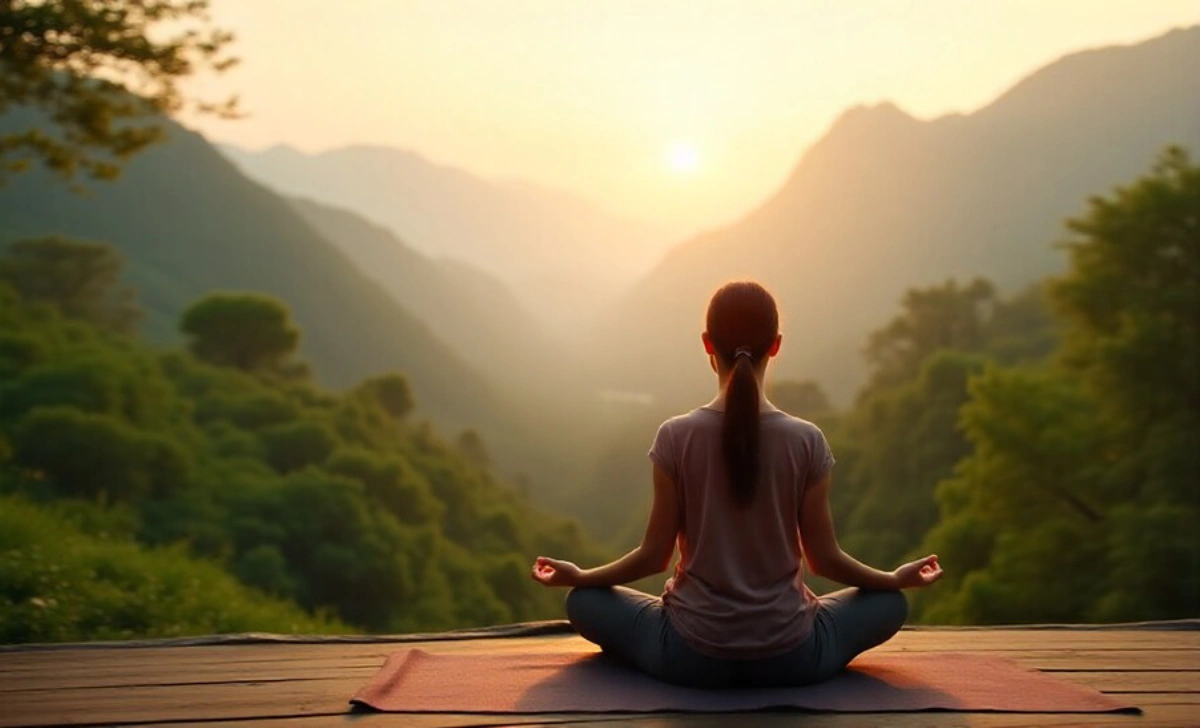
I watched a woman cry during yoga on a cliff in Bali. Not from pain or sadness, but from relief. She told me later she hadn’t slept properly in two years. Three days into her wellness retreat, she slept eight hours straight.
That moment changed how I see travel. We often think vacations mean busy itineraries and packed schedules. But wellness travel flips that script entirely. It asks you to slow down, breathe deeply, and give your body what it’s been begging for: rest, movement, and genuine care.
If you’ve been feeling burned out, stuck in patterns that drain you, or disconnected from yourself, wellness travel might be exactly what you need. Let me show you why this type of journey works and how you can plan one that actually delivers results. Learn why you deserve a wellness travel experience this year.
What Wellness Travel Actually Means
Wellness travel isn’t just spa days and green smoothies. It’s intentional travel designed to improve your physical, mental, or spiritual health. You might join a meditation retreat in the mountains, take daily yoga classes by the ocean, hike through forests with a guide who teaches mindfulness, or stay at a resort where nutrition and movement are built into every day.
The key difference from regular vacations: purpose. You’re not just escaping your routine. You’re actively working to feel better, think clearly, and return home with tools that stick.
According to the Global Wellness Institute, wellness tourism reached $651 billion in 2023 and continues growing. People want more from their trips than photos and souvenirs. They want transformation.
Why Your Mind and Body Need This Reset
Your nervous system doesn’t reset itself. Chronic stress builds up like sediment in a river. You might not notice it day to day, but your body keeps score. Poor sleep, tight shoulders, brain fog, digestive issues, that constant low-level anxiety you can’t shake. These are signals.
Wellness travel creates space for your system to discharge all that tension. When you remove yourself from daily triggers like work emails, traffic, and endless to-do lists, your body finally gets permission to relax. Add in practices like yoga, forest bathing, or therapeutic massage, and you’re actively helping your nervous system shift from fight-or-flight mode into rest-and-digest.
I’ve seen friends return from wellness trips looking different. Not just tanned or rested, but softer. Less reactive. More present. That’s what happens when you give your body time to recalibrate. Explore the mental health benefits of wellness travel.
The Science Behind Why It Works
Your brain operates on patterns. When you’re home, your environment constantly triggers the same neural pathways. The kitchen reminds you of meal prep stress. Your desk screams deadlines. Even your couch might be linked to endless scrolling.
New environments interrupt those patterns. Research shows that novel experiences increase neuroplasticity, which means your brain becomes more adaptable and open to change. Combine that with practices proven to reduce cortisol (stress hormone) levels like meditation, breathwork, and time in nature, and you create ideal conditions for a mental reset.
A 2022 study published in the Journal of Travel Research found that wellness travelers reported significant improvements in stress levels, sleep quality, and overall life satisfaction that lasted months after their trips. The effects weren’t temporary vacation highs. They stuck.
Physical benefits show up fast, too. Regular movement, clean eating, proper hydration, and quality sleep (all standard at wellness destinations) can reduce inflammation, improve cardiovascular health, and boost immune function within days.
Types of Wellness Travel That Deliver Results
Yoga and Meditation Retreats
These range from budget-friendly hostels with daily classes to luxury resorts with private instructors. You’ll typically practice twice daily, eat vegetarian meals, and have free time for hiking, journaling, or spa treatments.
Best for: People who want to deepen their practice, disconnect from technology, and learn techniques they can use at home.
Popular spots: Ubud in Bali, Rishikesh in India, Nosara in Costa Rica, Sedona in Arizona.
Destination Spa Resorts
Think full-service properties where wellness is the main attraction. You get fitness classes, spa treatments, nutrition consultations, and meals designed by chefs who understand both taste and health.
Best for: Travelers who want structure without giving up comfort. Perfect if you’re new to wellness travel and want guidance.
Top choices: Canyon Ranch in Arizona or Massachusetts, SHA Wellness Clinic in Spain, Kamalaya in Thailand.
Adventure Wellness Trips
Hiking, surfing, cycling, or multi-day treks combined with yoga, meditation, and recovery practices. You challenge your body during the day and restore it at night.
Best for: Active travelers who need mental clarity but can’t sit still for long meditation sessions.
Where to go: Patagonia for trekking, Sri Lanka for surf and yoga, Nepal for Himalayan hikes with meditation.
Digital Detox Retreats
Properties with zero WiFi, no cell service, and structured days focused on reconnection with yourself and nature. You might garden, cook, hike, or simply sit by a fire.
Best for: Anyone feeling overwhelmed by technology and constant connectivity.
Hidden gems: Off-grid cabins in Norway, forest retreats in Japan, silent monasteries in Italy. Find destination wellness escapes that change your life.
How to Choose Your Wellness Destination
Start with what you need most right now. Physical exhaustion? Look for places emphasizing sleep, spa treatments, and gentle movement. Mental burnout? Meditation-focused retreats work better. Feeling stuck creatively? Adventure wellness trips shake things up.
Consider your comfort level with structure. Some retreats are scheduled every hour. Others give you complete freedom. Neither is better, just different. Know yourself.
Budget matters too. Wellness travel ranges from $50-per-night yoga hostels to $1,000-per-night luxury spas. You can find quality experiences at every price point. Hostels and budget retreats often have more authentic, less polished vibes that some travelers prefer.
Climate affects your experience more than you’d think. If you’re depleted, tropical warmth helps your muscles relax faster. If you’re feeling foggy or sluggish, mountain air and cooler temperatures might energize you more.
Research the philosophy behind each place. Some lean spiritual, others purely scientific. Some focus on one modality, like Ayurveda or Traditional Chinese Medicine. Make sure their approach resonates with you.
Planning Your Wellness Trip Step by Step
Set Your Intention
Why are you going? What do you want to feel when you return? Write it down. This clarity helps you choose the right program and stay committed when travel stress hits.
Pick Your Duration
Three days minimum for any real benefit. Your first day adjusts to travel, your last day prepares to leave. That leaves only one full day for actual wellness work.
Five to seven days is the sweet spot. Long enough to establish new patterns and feel genuine shifts. Not so long, you start worrying about everything back home.
Two weeks or more for deep transformation, especially if addressing chronic issues or major life transitions.
Book Early for Better Rates
Popular wellness destinations fill months ahead, especially during peak seasons. Early booking often includes discounts or free upgrades.
Check cancellation policies carefully. Life happens, and you want flexibility if circumstances change.
Prepare Before You Go
Start adjusting sleep schedules a week before departure. Cut back on caffeine, alcohol, and processed foods so your body isn’t detoxing hard those first few days.
Download any apps or resources the retreat recommends. Some send pre-arrival materials or guided meditations.
Set up auto-responses for email and clear your calendar completely. Half-committing defeats the purpose.
Pack Thoughtfully
Comfortable clothes for movement (yoga pants, breathable layers). Most places are casual.
Journal and pen. You’ll want to capture insights.
Reusable water bottle. Hydration is huge.
Any supplements or medications you need. Remote locations may not have what you require.
Open mind. Seriously. The practices that feel weirdest often help most.
What to Expect During Your Stay
The first day often feels strange. You might be tired from travel, resistant to the schedule, or uncomfortable with silence and slowness. That’s normal. Your nervous system is still in hustle mode.
Days two through four can be challenging. Old emotions might surface. You might feel restless, irritable, or weirdly sad. This is good. It means you’re processing. Stick with it.
Around day five, something shifts. You wake up feeling different. Lighter. Colors look brighter. You notice you’ve been smiling for no reason. That’s your body thanking you.
The last days feel bittersweet. You don’t want to leave, but you also feel ready to bring this version of yourself back home.
Bringing Wellness Home After Your Trip
The real challenge starts when you return. Airport chaos, email backlog, and regular life can erase your reset fast if you’re not careful.
Build in buffer days. Don’t schedule your return for Sunday night if work starts Monday morning. Give yourself space.
Keep one practice from your trip. Just one. Maybe it’s five minutes of morning meditation or a weekly yoga class. Starting small makes it sustainable.
Protect your energy ruthlessly in those first weeks back. Say no to draining commitments. Your reset is precious.
Find your community. Look for local classes, groups, or spaces that support your wellness practices. Going alone is harder than going together.
Common Mistakes to Avoid
Don’t overschedule. If a retreat offers optional activities from dawn to midnight, you don’t need to do them all. Rest is part of healing.
Don’t compare your experience to others. Someone might cry during meditation while you feel nothing. Both are valid. Your body processes differently.
Don’t skip the uncomfortable parts. The ice bath, the early morning practice, the session that scares you? That’s often where breakthroughs happen.
Don’t ignore signs from your body. If something feels wrong (not just challenging but actually harmful), speak up. Good wellness providers adjust to your needs.
Don’t expect perfection. You won’t leave it fixed or finished. You’ll leave with tools and maybe a little more peace. That’s enough.
Why Wellness Travel Beats Regular Vacations for Burnout
Regular vacations can be exhausting. You pack days full of sightseeing, eat whatever, mess up your sleep schedule, and return needing a vacation from your vacation.
Wellness travel inverts that model. Instead of stimulation, you get restoration. Instead of doing more, you practice being more. Your itinerary centers on your well-being, not tourist attractions.
You also learn transferable skills. A beach vacation gives you memories. A wellness trip gives you techniques for managing stress, moving your body, eating better, and sleeping more deeply. You leave with a toolkit.
Real Talk About Costs and Accessibility
Wellness travel can be expensive, but it doesn’t have to be. Budget options exist if you’re willing to search.
Look for hostels with included yoga classes. Many beach towns in Mexico, Central America, and Southeast Asia offer this.
Check Workaway or similar platforms for volunteer opportunities at wellness centers. You work a few hours daily in exchange for accommodation and classes.
Consider shorter trips closer to home. A weekend at a nearby retreat center costs less than international flights but still delivers benefits.
DIY your own wellness trip. Rent a cabin, bring healthy food, download meditation apps, and create your own schedule. You won’t have instructors, but you’ll have intention.
Remember that medical costs from burnout, chronic stress, and poor health add up fast. Wellness travel is prevention. It’s an investment that pays returns in quality of life.
Your Next Step
You don’t need permission to prioritize your wellbeing. You don’t need to wait until you’re completely broken down. You can choose to reset now, before the emergency light comes on.
Start small if a full retreat feels too big. Maybe it’s a weekend at a local spa, a single yoga class, or even a technology-free day at home. Build from there.
When you’re ready for something more, pick one destination that speaks to you. Research it. Feel what it would be like to wake up there, move there, breathe there. If your body says yes, start planning.
Wellness travel isn’t selfish. It’s survival. It’s you remembering that you’re worth caring for, that your body and mind deserve attention, and that sometimes the bravest thing you can do is rest.
Your reset is waiting. You just have to take the first step toward it.