




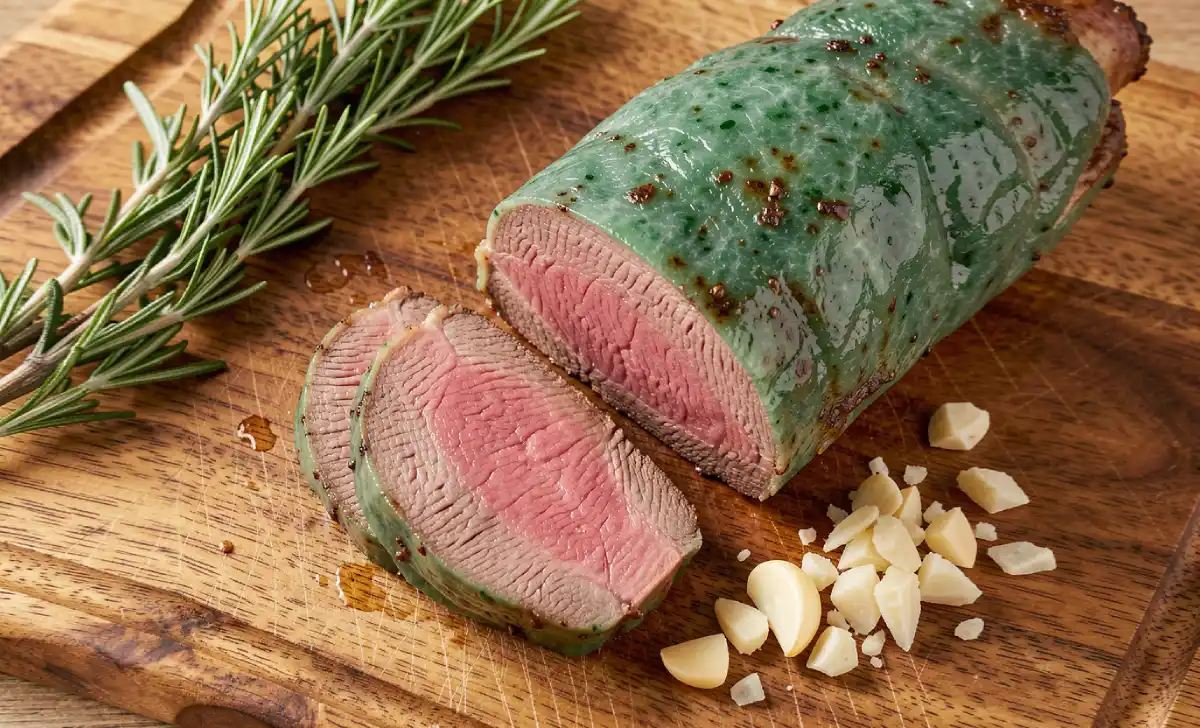
Jade Venison is premium deer meat sourced through ethical, low-impact practices like regenerative farming and managed wild culling. It stands apart from conventional venison because of strict animal welfare standards, natural diets, and land-conscious production methods. The result is tender, clean-tasting meat with a mild, rich flavor that works well for both home cooks and restaurant chefs.
For anyone exploring sustainable alternatives to beef, Jade Venison is worth serious consideration. It is naturally lean, high in protein, and free from added hormones or antibiotics. Whether you are cooking a quick weeknight steak or a slow weekend roast, it delivers on both quality and conscience without requiring much extra effort in the kitchen.
What Jade Venison Actually Is
Most people picture venison as tough, heavily gamy meat that needs a long marinade just to be edible. That reputation comes from poorly handled or mismanaged sourcing, and it sticks around longer than it should.
Jade Venison flips that image. It is high-quality deer meat raised or harvested through methods that prioritize the animal’s well-being and the surrounding environment. Whether sourced from regenerative farms, ethical culling programs, or carefully managed wild populations, the focus stays the same: produce something exceptional without cutting corners on how the animal lived.
The name itself points to a sense of freshness and quality. Some producers use herb-forward preparations that give the meat a bright, clean character. Others simply use “jade” to signal that this is not your average venison. Either way, the idea is the same: premium quality that you can trace back to responsible sourcing.
Why the Flavor Is So Different from Regular Venison
Here is something most people do not expect: Jade Venison is genuinely mild. Not bland, just clean. It has a slightly rich, almost sweet depth that surprises first-timers who were bracing for something funky or overwhelming.
That flavor difference comes directly from how the animal lives. Deer raised in low-stress environments, feeding on natural pasture, produce meat with better texture and a smoother taste. Stress hormones and poor diet show up in the final product, and not in a good way. When you remove those variables, what you get is tender, consistent meat with a character that stands on its own.
In my experience, the best way to describe it to someone who has never tried venison is this: think of it as a leaner, more nuanced alternative to beef. It is richer than chicken, more complex than pork, but without the heaviness that red meat can sometimes carry. Fresh seasonal fruit pairs surprisingly well with that flavor profile. Something like these strawberries alongside a simply seared loin makes for a bright, balanced plate that lets the meat speak for itself.
The Sustainability Angle, Without the Marketing Fluff
“Sustainable” gets thrown onto food labels so often that it barely means anything anymore. So let’s be specific about what it actually looks like with Jade Venison.
When deer are managed through regenerative practices, a few things happen that benefit the broader ecosystem. Their natural grazing helps maintain soil health. In areas where deer populations are managed, ethical culling programs prevent overgrazing that would otherwise damage woodland biodiversity. The animals are not confined or subjected to the conditions common in industrial meat production.
This is not just about being less harmful. Regenerative sourcing is designed to actively improve the land over time. That distinction matters, especially as more consumers start asking harder questions about where their food comes from and what impact it has.
Is all venison production perfect? No. Land use in animal farming always involves tradeoffs. But compared to conventional beef production, well-managed venison farming has a significantly lower environmental footprint, and that gap is hard to ignore.
Health and Nutrition: What You Are Actually Eating
From a nutritional standpoint, venison is difficult to beat among red meats. It is naturally lean with very little saturated fat, high in protein, and a solid source of iron, zinc, and B vitamins. A single serving gives your body what it needs without the calorie load that comes with fattier cuts of conventional beef.
Because Jade Venison comes from animals raised on natural diets without added hormones or antibiotics, what ends up on your plate is as clean as red meat gets. If you already rotate lean proteins like fish into your weekly meals, venison fits right into that habit. A recipe like this sheet pan salmon for busy nights shows how simple a lean, high-quality protein dinner can be, and venison follows the same principle.
A few things worth knowing about the nutritional profile:
- It is high in protein and low in saturated fat compared to most cuts of beef.
- It contains no added hormones or routine antibiotics.
- The natural diet of the animal produces meat with a better fat composition overall.
- It fits well into health-conscious eating patterns without feeling like a compromise.
How to Cook Jade Venison Without Ruining It
This is where a lot of people hesitate, and honestly, that hesitation makes sense. Venison is lean, and lean meat is less forgiving than something with more fat running through it. Overcook it, and you lose everything that makes it special.
If you have ever stood in your kitchen holding an unfamiliar cut of meat and wondered whether you were about to waste it, you are not alone. The good news is that cooking something new is rarely as complicated as it looks, and the same is true for other ingredients that seem tricky at first. Jade Venison is no different. Because it is more consistent than wild-caught venison, the learning curve is shorter than you might expect.
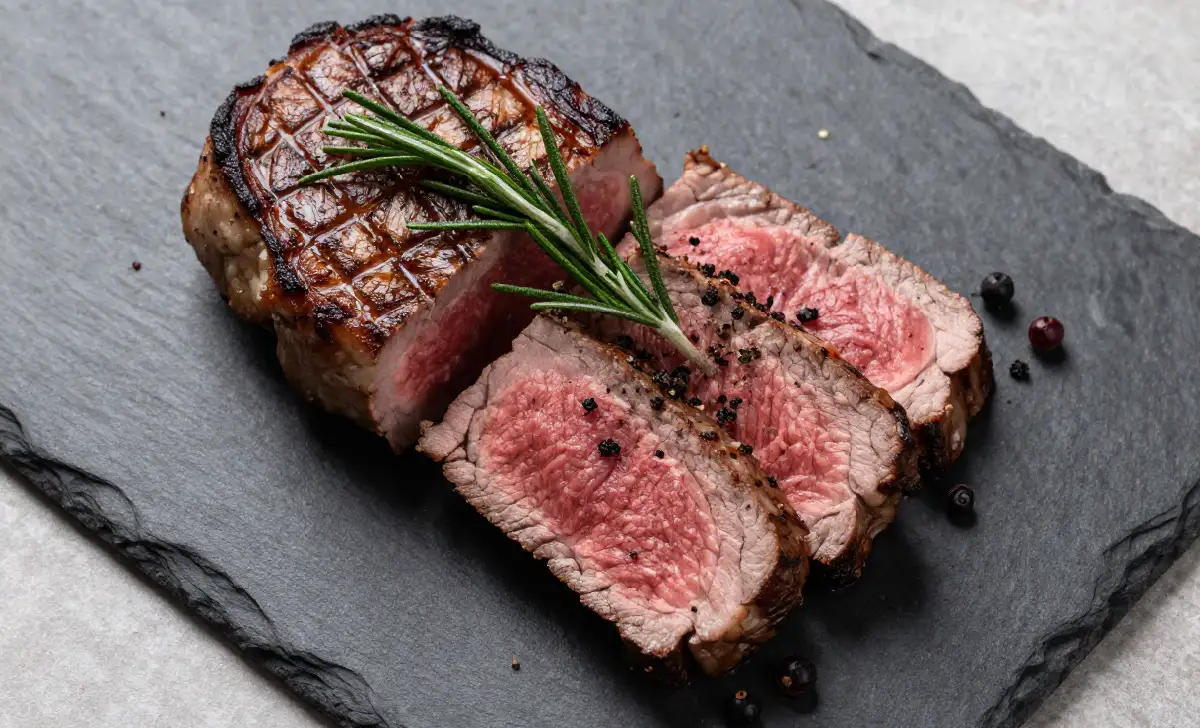
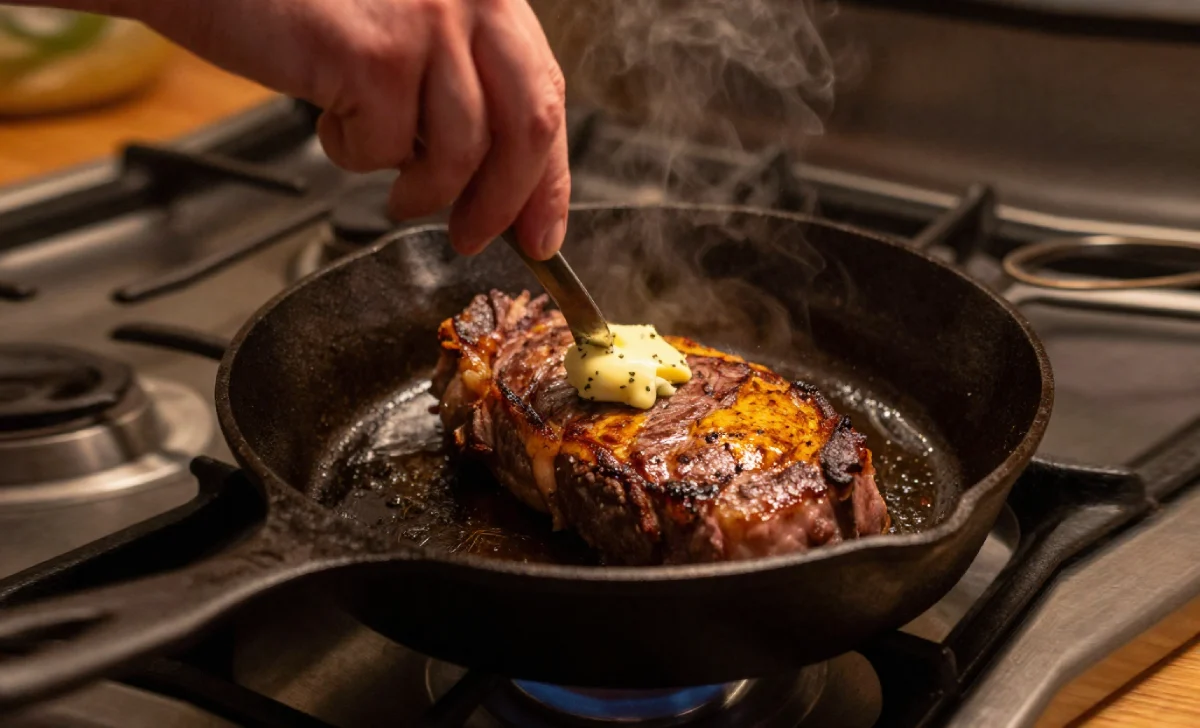
For steaks and loins, use high heat and cook fast. A hot cast-iron pan or a grill will give you a good sear. Aim for medium-rare, which is around 130 to 135 degrees Fahrenheit internally. Season simply: salt, pepper, a little garlic, maybe a sprig of rosemary. Let it rest for a few minutes before cutting. That is genuinely all you need.
For tougher cuts like shoulder or leg, go low and slow. Braise it in something with depth, like red wine, beef stock, or a combination of the two. Add earthy flavors: mushrooms, juniper berries, root vegetables. Give it three to four hours, and it will reward you with something rich and deeply satisfying.
One rule applies to both methods: do not walk away from it. Venison cooks faster than beef, and the difference between perfect and overdone is just a few minutes.
Where to Find Jade Venison and What to Ask
Finding it takes a little more effort than grabbing a pack of ground beef at the supermarket, but not much more. Here are the most practical ways to source it:
Specialty butchers are your first stop. Look for shops that specifically stock game meats or work with local farms. When you walk in, ask directly: where does the venison come from, how was it raised or harvested, and can they trace it back to the source? A good butcher will answer that without hesitation.
High-end grocery stores with a focus on quality and sustainability sometimes carry it, especially in larger cities. If you do not see it on display, ask the meat counter. Many stores can order it for you if the demand is there.
Direct-to-consumer online suppliers have become a strong option in recent years. Several producers now ship directly to your door in insulated packaging. This is a good way to access a wider variety of cuts and often to get better pricing than retail markup.
If you are at a restaurant and see venison on the menu, ask the server where it comes from. More chefs are sourcing Jade Venison specifically because their customers have started requesting it by name. That shift in demand is real, and it is growing.
The Price Question: Is It Worth It?
Let’s not pretend Jade Venison is cheap. It costs more than supermarket beef, and that gap is not going to disappear. But context matters here.
You are paying for an animal raised with care, on clean feed, in conditions that produce better meat. You are also paying for sourcing practices that have a lower environmental impact. When you break it down to cost per serving, it sits closer to a mid-range steakhouse experience than you might expect. For a weekend dinner or a meal with friends, it is hard to argue with the value.
Think of it the way you would think about any quality ingredient: you do not need it every night, but when you use it, it makes the meal.
Frequently Asked Questions
Does Jade Venison taste gamey?
Not in the way most people expect. The gamy flavor that puts people off venison usually comes from stress, age, or poor handling. Jade Venison, raised in low-stress conditions and processed carefully, has a clean, mildly rich flavor that most first-timers find approachable.
How is Jade Venison different from regular farmed venison?
The difference comes down to sourcing standards. Jade Venison comes from operations focused on animal welfare, natural diets, and land stewardship. Regular farmed venison can vary widely depending on the producer. The specific practices behind Jade Venison produce more consistent quality and a cleaner product overall.
Is Jade Venison really sustainable, or is that just marketing?
It is a fair question, and skepticism is healthy. The sustainability claim holds up when producers use regenerative practices, maintain transparency about sourcing, and actively work to improve the land rather than simply avoiding the worst practices. Ask your supplier for specifics, and look for producers who can actually explain their methods.
What is the best way to cook Jade Venison so it does not dry out?
For tender cuts, cook fast over high heat and stop at medium-rare. For tougher cuts, braise low and slow with moisture and deep flavors. In both cases, watch your temperature carefully. A meat thermometer takes the guesswork out of it.
This article is intended for informational purposes. Nutritional information may vary depending on the specific cut and sourcing method. Always purchase from verified suppliers and follow safe food handling practices.