





Lobuche Peak climbing sits at 6,119 meters in Nepal’s Khumbu region, combining the classic Everest Base Camp route with a genuine technical ascent. It’s one of the most popular trekking peaks in the Himalayas because it’s achievable for fit, prepared climbers without requiring years of technical mountaineering experience. A complete guided expedition runs between $2,500 and $4,500, covering permits, a local guide, accommodation, and most meals over 18 to 20 days.
The best time to climb is spring, from March to May, when weather windows are longer and conditions are more stable. Climbing permit fees from the Nepal Mountaineering Association sit at roughly $250 to $350 per person for the spring season. Getting there requires a short flight from Kathmandu to Lukla, proper acclimatization stops along the way, and solid physical preparation well before you land in Nepal.
What Makes Lobuche Worth the Effort
 Most people discover Lobuche Peak while planning an Everest Base Camp trek. It makes sense. The route passes right through Lobuche Village, and the peak sits in full view for days before you even attempt it. If you’re already doing the full Khumbu walk, adding Lobuche turns a great trek into a real mountaineering objective. If you’re still weighing whether a high-altitude climb is the right trip for you at all, it helps to read through how to choose the right destination for the experience you’re after before committing to a permit and a 20-day itinerary.
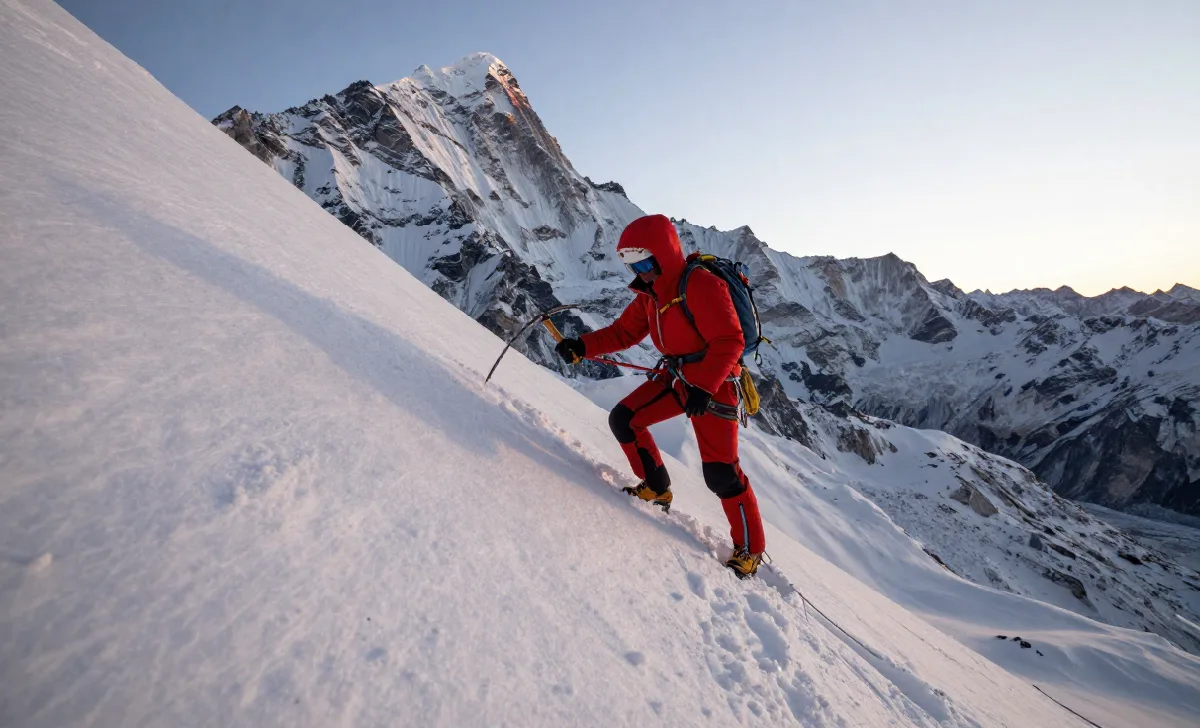
Lobuche East, the standard summit, involves snow, ice, and rock sections near the top. You’ll use crampons, an ice axe, and clip into fixed ropes on summit day. The exposed ridge near the top is what separates it from trekking peaks like Mera, which are more of a long walk at high altitude. The views from the summit, direct sightlines to Everest, Nuptse, Lhotse, and Ama Dablam, are as good as it gets without holding a full expedition permit.
That said, Lobuche Peak climbing is not for everyone. If you’re new to using crampons or have never been above 5,000 meters, you should do that first. But if you’ve trekked high before and want a clear next step into technical climbing, this is a strong choice.
The 2026 Lobuche Peak Itinerary
Rushing altitude is the most common mistake on this route. A well-built Lobuche Peak itinerary takes 18 to 20 days and includes deliberate rest stops for acclimatization. Here is how most trips are structured.
Days 1 to 2: Arrive in Kathmandu. Sort your gear, meet your guide, and confirm permits. Use this time to pick up anything you’re missing.
Day 3: Fly from Kathmandu to Lukla (2,860m), then trek to Phakding (2,640m). A short, easy start.
Day 4: Trek to Namche Bazaar (3,440m). This is where the real climbing begins.
Day 5: Acclimatization day in Namche. Hike up to the Everest View Hotel or Khunde, then return. The goal is altitude gain without sleeping high.
Days 6 to 7: Trek through Tengboche and on to Dingboche (4,410m). The landscape shifts dramatically here. Fewer trees, wider valleys, more wind.
Day 8: Another acclimatization hike, up toward Nangkartshang Peak around 5,000m. If you feel a headache here, take note. That’s your body talking.
Days 9 to 10: Move to Lobuche Village (4,940m), then up to Gorak Shep (5,170m) with a side visit to Everest Base Camp (5,364m). Long day, rewarding.
Day 11: Sunrise at Kala Patthar (5,545m), then descend to Lobuche Base Camp. This is prep day for the climb.
Day 12: Base Camp to High Camp (roughly 5,400 to 5,600m). Short but steep. Drink water constantly.
Day 13: Summit day. Pre-dawn start, 8 to 12 hours round-trip. Descend to Base Camp or lower afterward.
Day 14: Buffer day for weather or recovery.
Days 15 to 18: Trek back through Pheriche and Namche to Lukla, then fly to Kathmandu.
Weather delays are real. Lukla’s airstrip closes without warning, and storms at high camp can push summit day by 24 to 48 hours. Build contingency days into your plan. Most experienced operators do this automatically, so ask your agency before booking.
Lobuche Peak Cost in 2026
The Lobuche Peak cost for a full guided package ranges from $2,500 to $4,500 per person. Here’s where that money actually goes.
- Guided package (guide, porter, teahouse stays, most meals, Kathmandu-Lukla flights): $2,200 to $3,500
- Lobuche Peak climbing permit (Nepal Mountaineering Association): $250 to $350 in spring, lower in autumn
- Sagarmatha National Park entry and Khumbu Pasang Lhamu Rural Municipality fee: $50 to $60 combined
- Kathmandu to Lukla round-trip flights (if not in package): $350 to $450
- Gear rental (crampons, ice axe, harness, if needed): $100 to $200
- Tips for guides and porters: budget 10 to 15 percent of your total package cost
Solo travelers without a group package pay significantly more. Going with a reputable local agency rather than a large international operator usually cuts costs and puts more money directly into the local community.
Lobuche Peak Safety Tips That Actually Help
Altitude sickness doesn’t care how fit you are. That’s the most important thing to accept before you go. Acute Mountain Sickness (AMS) can affect anyone, and the early signs are easy to ignore or misread.
Watch for these symptoms above 4,000 meters: persistent headache, nausea, poor sleep, and dizziness. Mild symptoms often ease with rest and hydration. Severe symptoms, including loss of coordination or confusion, mean you descend immediately. No summit is worth that risk.
A few things that genuinely help from past climbers’ experience.
- Drink four to five liters of water per day. More than you think you need.
- Follow the “climb high, sleep low” rule on acclimatization days.
- Diamox (acetazolamide) can help prevent AMS, but it should be discussed with your doctor before travel. It’s not a substitute for proper acclimatization.
- Know how to use your ascender before summit day. Practice clipping and unclipping while your hands are cold and your brain is running slow from altitude.
- Choose a guide with documented experience on 6,000-meter peaks and basic wilderness first aid training. They should be checking your oxygen saturation daily with a pulse oximeter.
On summit day, multiple teams often share the fixed lines. Be patient. Fumbling with gear at 19,000 feet while others wait behind you is stressful for everyone. The more confident you are with your equipment, the safer and smoother the day goes.
One thing many guides skip: post-summit recovery. The descent back to a lower elevation is where mistakes happen. Your body is exhausted, your guard drops, and the rocky moraine is unforgiving. Take the descent as seriously as the ascent.
Are You Ready for Lobuche Peak Climbing?
This question deserves an honest answer, not a vague “it depends.” Here is a practical way to assess your readiness.
You are likely ready if you have completed multi-day high-altitude treks above 4,500 meters without serious AMS symptoms, you can carry a loaded pack for six to eight hours without needing long breaks, and you have basic experience on snow or ice, even from a weekend course.
You need more preparation if you’ve never used crampons or an ice axe, haven’t trekked above 4,000 meters, or are getting winded on long uphill sections at lower elevations. In that case, starting with a less technical destination is a smarter move than pushing into a 6,000-meter climb before you’re ready. Something like Mongibello offers a very different kind of trip, but it’s a useful reminder that strong travel experiences don’t always require technical gear or altitude exposure. Build toward Lobuche; don’t rush it. A good training baseline includes consistent cardio over three to four months, weighted pack hikes on varying terrain, and ideally a snow skills course where you practice self-arrest and rope techniques.
Don’t skip the training and count on your guide to carry you through. They set ropes and manage the group, not individual fitness gaps.
Responsible Climbing in the Khumbu
The Khumbu region absorbs millions of visitors each year. As more people choose trekking peaks like Lobuche, the impact on trails, teahouses, and waste management grows. For many climbers, this trip also becomes something more personal, a physical and mental reset that stays with them long after they’re home. If that side of travel matters to you, it’s worth exploring how travel to remote global destinations can support a sense of inner calm and perspective. A few practical things you can do in the Khumbu to minimize your footprint while you’re there.
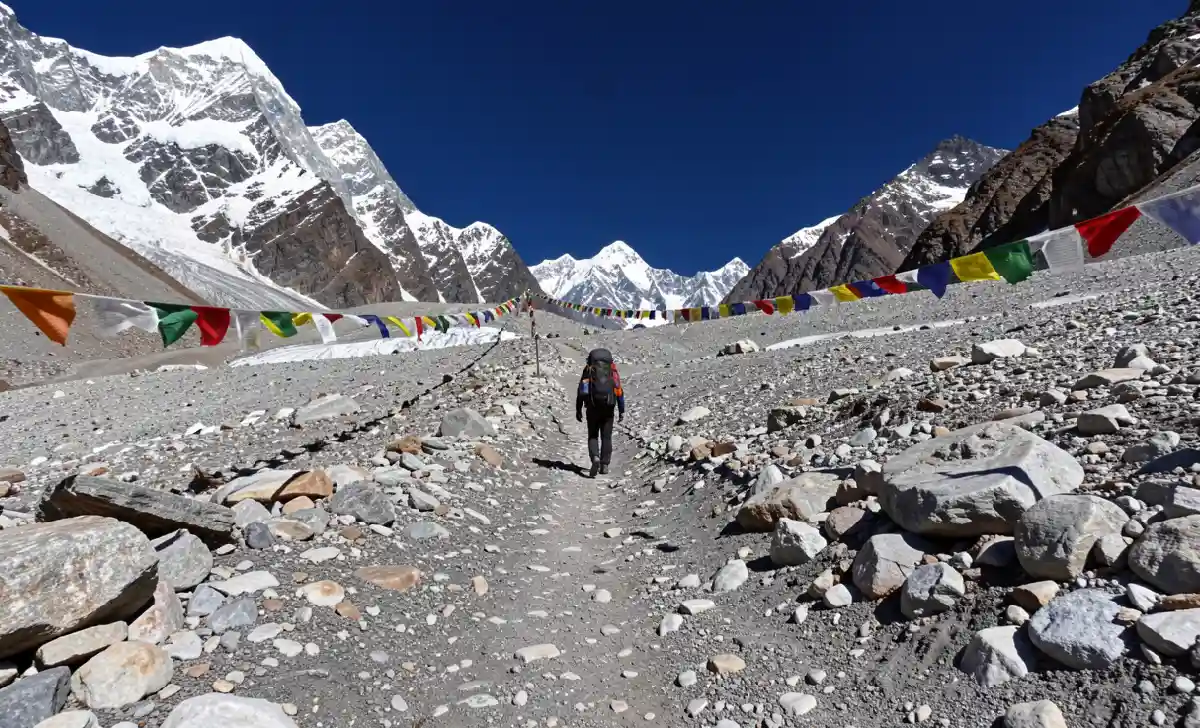
Carry a reusable water bottle and use purification tablets or a filter rather than buying plastic bottles in every village. Stick to the designated tent and camping areas at high camp. Bring all non-biodegradable waste back down. Ask your agency about their waste disposal practices before you book. Agencies that follow Leave No Trace principles are worth the extra due diligence.
Best Time for Lobuche Peak
Spring, March through May, is the best time for Lobuche Peak climbing. Skies are generally clearer, days are longer, and summit windows are more reliable. Most commercial expeditions depart in April.
Autumn, late September through November, is the second season. It’s colder, and the weather window between the end of the monsoon and the arrival of winter cold is narrower. That said, autumn has fewer crowds on the trail, which some climbers prefer.
Avoid the monsoon season (June to August) and deep winter (December to February). Both present serious risks from avalanches, whiteout conditions, and extreme cold.
Lobuche Peak Permits
You need two main permits for Lobuche Peak climbing in 2026. The Lobuche Peak climbing permit from the Nepal Mountaineering Association costs roughly $250 to $350 in spring. You also need a Sagarmatha National Park entry permit and a local area fee, which together add up to around $50 to $60.
Your guide or agency handles the paperwork in Kathmandu before the trek starts. Confirm this before departure. Permit checks do happen on the trail, and not having the right documents creates avoidable problems.
Frequently Asked Questions
What is the difficulty level of climbing Lobuche Peak?
Lobuche East is rated a moderate technical peak. It requires basic crampon and ice axe skills, comfort on exposed terrain, and strong acclimatization. It’s harder than non-technical trekking peaks like Mera but less demanding than Ama Dablam or Island Peak’s notorious headwall.
How much does a Lobuche Peak expedition cost in 2026?
A full guided package typically costs $2,500 to $4,500 per person, depending on group size, agency, and included services. Solo climbers without a group arrangement can expect to pay toward the higher end.
When is the best time to climb Lobuche Peak?
Spring (March to May) offers the most stable conditions and the widest summit windows. Autumn (late September to November) is the secondary option, with colder temperatures and smaller weather gaps.
What gear do I need for Lobuche Peak climbing?
Your agency provides group gear like fixed ropes. You need to bring or rent mountaineering boots compatible with crampons, a climbing harness, a helmet, a layered clothing system, a sleeping bag rated to at least -10°C, trekking poles, and a headlamp with spare batteries. Confirm with your agency what’s included before you arrive.
Disclaimer: Permit fees and package costs listed in this article reflect available information as of early 2026. Prices can change. Confirm current rates directly with the Nepal Mountaineering Association and your chosen agency before booking.