





Most people first hear the word “Ombudsmänner” when they’re already frustrated — stuck in a dispute with a government office, an insurance company, or an employer who keeps brushing them off. At that point, the question isn’t academic. You want to know: can this person actually help me, and how do I reach them?
Ombudsmänner are independent officials who investigate complaints against public bodies, companies, and organizations. They don’t take sides. They review what happened, identify where things went wrong, and push for fair outcomes — all without charging you a cent. Think of the ombudsmann role as a practical shortcut between you and a system that isn’t responding the way it should.

What Is an Ombudsmann?
The word comes from Swedish and roughly translates to “representative” or “trusted person.” In German-speaking contexts, Ombudsmänner is the traditional plural form, though you’ll increasingly see gender-neutral alternatives like Ombudsleute used as well. The label changes by country and sector, but the job stays the same: an impartial figure who steps in when regular complaint channels fail you.
What makes the ombudsmann role distinct is independence. These officials sit outside the normal chain of command. A parliamentary ombudsmann, for example, doesn’t answer to the ministry they’re investigating. An organizational ombudsmann at a university isn’t managed by the same administrators a student might be complaining about. That structural separation is what gives their findings weight.
Their authority varies. In some sectors — certain banking or insurance complaint boards, for instance — an ombudsmann’s decision binds the company. In public administration, findings are usually recommendations, but ignoring them carries political and reputational consequences that most institutions want to avoid. As generative AI reshapes how legal and institutional decisions get made, that independence becomes harder to replace and more worth protecting.
The Different Types of Ombudsmänner
“Ombudsmann” isn’t a single, uniform role. You’ll find versions of it across sectors, each adapted to a different context.
Parliamentary or public Ombudsmänner handle complaints about government agencies and public services. If a state benefits office repeatedly loses your paperwork or a public hospital billing department ignores your appeals, this is the office you’d contact.
Sector-specific Ombudsmänner cover industries like banking, insurance, energy, and telecoms. Most operate as free dispute resolution services that consumers can use before (or instead of) going to court. In the UK alone, the Financial Ombudsman Service resolved over 200,000 cases in 2023 — the majority within a few months.
Organizational Ombudsmänner work inside private companies, universities, and non-profits. They serve employees, students, or members as a confidential resource for workplace conflicts, ethical concerns, or treatment they believe was unfair. In my experience, this category has grown the fastest over the past decade. As more organizations follow structured legal tech adoption plans that digitize internal processes and automate complaint tracking, having a neutral human resource alongside those systems has become a practical safeguard, not just a nice-to-have.
Specialized Ombudsmänner focus on narrower mandates — children’s rights, data protection, disability access, or equality. Germany’s Federal Data Protection Commissioner, for instance, fields complaints about how government agencies handle personal data.
Why the Ombudsmann Role Matters More Now
You might wonder why a role with Scandinavian roots from the 1700s still matters in 2026. The short answer: institutions have gotten bigger and less personal, while the decisions they make have gotten more consequential.
When a government algorithm denies your benefit claim or a bank’s automated system flags your account without explanation, the normal complaint process often leads nowhere. You get a form letter. You call a number. You wait. An ombudsmann cuts through that cycle. They can demand internal records, interview staff, and identify whether a decision was procedurally fair — things an individual complainant usually can’t do on their own. The broader conversation around legal automation ethics makes clear why human oversight at this level isn’t optional — automated systems can scale errors just as fast as they scale efficiency, and someone needs to catch that.
They also catch systemic problems early. One person complaining that a housing authority takes six months to respond to repair requests looks like a one-off. Thirty people complaining about the same thing looks like a system failure — and that’s exactly the kind of pattern Ombudsmänner are positioned to flag and report publicly.
Some critics argue the recommendations carry no real teeth when institutions ignore them. That’s a fair concern. But the track record shows most institutions comply, largely because non-compliance tends to become part of a published annual report, which media and legislators read.
Looking ahead, the most pressing expansion of this role involves algorithmic decision-making. As AI handles more loan approvals, benefit assessments, and hiring filters, Ombudsmänner may become the primary channel for people challenging automated outcomes they can’t otherwise decode or appeal.
How to Contact an Ombudsmann — Step by Step
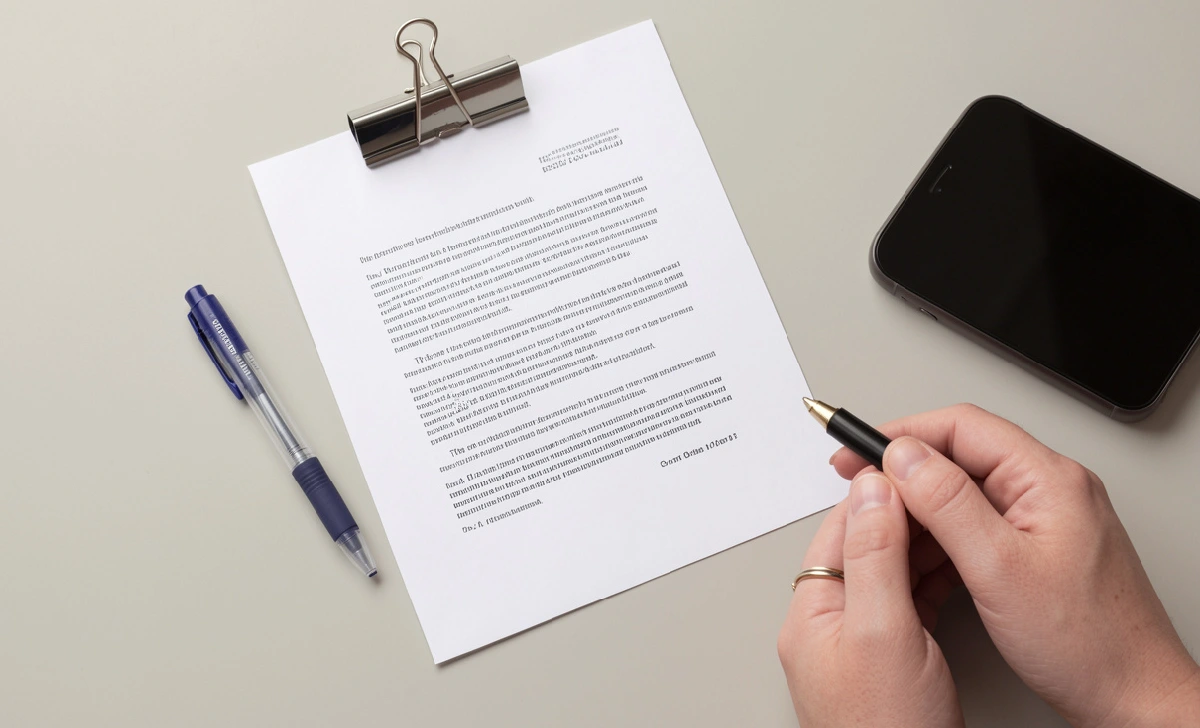
If you’ve hit a wall with a public service, financial provider, employer, or institution, here’s how to approach it.
Start by identifying the right office. Search “[your country or city] ombudsmann” plus the relevant sector — banking, housing, workplace, healthcare. Most countries publish a directory. If you’re unsure, your national consumer protection agency or a call to your local representative’s office can point you in the right direction.
Gather your documents before you call. A clear timeline of events, copies of relevant correspondence, and any reference numbers from prior complaints will speed up the process significantly. You don’t need a lawyer-drafted document — a simple, factual account of what happened and when works fine.
Ask about confidentiality upfront. Most organizational and advocacy Ombudsmänner treat conversations as off the record unless you agree otherwise. Public-sector offices are more formal, and your information may become part of an official file. Knowing which type you’re dealing with helps you decide what to share.
Be specific about what you want. An apology, a refund, a policy change, a formal explanation — Ombudsmänner work better when you tell them what a fair outcome looks like to you. They’re problem-solvers, not judges. If you’re not sure yet, say so. Part of the initial conversation is often just helping you clarify what you’re actually asking for.
The Quiet Value of Having Someone in the Middle
The ombudsmann’s role doesn’t make headlines. Most people who use one never mention it publicly. But the function it serves — giving an ordinary person a real, free, structured way to challenge a decision made by a powerful institution — is one of the more practical accountability tools most countries have built.
Systems don’t fix themselves. Institutions rarely self-report failures unless someone is tracking them. Ombudsmänner do both. One complaint you file today might be what prompts a form redesign, a policy correction, or a staffing review that helps hundreds of people who never knew anything was wrong.
If you’ve been stuck in a dispute that’s going nowhere, it’s worth checking whether an Ombudsmann has jurisdiction over your issue. The call is free, the process is usually faster than you’d expect, and you don’t need to have it all figured out before you pick up the phone.
FAQs
How is an Ombudsmann different from a mediator or arbitrator?
A mediator facilitates a voluntary conversation between two parties. An arbitrator hears both sides and issues a binding decision — similar to a private judge. An Ombudsmann investigates independently and then recommends or directs a resolution, without formally representing either party. The process is less adversarial than arbitration and more structured than mediation.
Are Ombudsmänner decisions legally binding?
It depends on the sector. Consumer-facing Ombudsmänner in banking or insurance often issue binding decisions on the company, especially in the UK and Germany. In public administration, outcomes are typically recommendations — though they carry real weight because non-compliance gets documented and published.
Who can contact an Ombudsmann?
Most offices are open to anyone affected by the organization they oversee — citizens, consumers, employees, or students. Some have eligibility requirements, such as requiring you to have already raised the complaint through internal channels first. Check the specific office’s intake criteria before you call.
How long does the process take?
Simpler cases often resolve in four to eight weeks. Complex investigations involving multiple parties or large volumes of documents can take several months. Either way, it’s considerably faster than formal court proceedings, which in many countries stretch over one to three years.
What if the Ombudsmann decides they can’t help?
They’ll tell you why and direct you toward alternatives — a formal regulator, an appeals process, or a legal route. Even a “we can’t handle this” response gives you useful clarity about where your complaint actually belongs, which saves time compared to cycling through the wrong channels yourself.