





You’ve probably noticed your utility bills creeping up lately. It happens quietly, month by month, until you’re staring at a number that makes you wince. You’re not alone in this. Many people feel stuck between wanting a comfortable home and managing rising energy costs.
Here’s some good news: you don’t need a complete home renovation to see real savings. A few thoughtful smart home upgrades save money significantly while making your daily life easier. These aren’t fancy gadgets you’ll forget about in a week. They’re practical tools that work quietly in the background, saving you money without extra effort.
Let’s look at seven upgrades that deliver genuine results.
Smart Thermostats Save Without Sacrifice
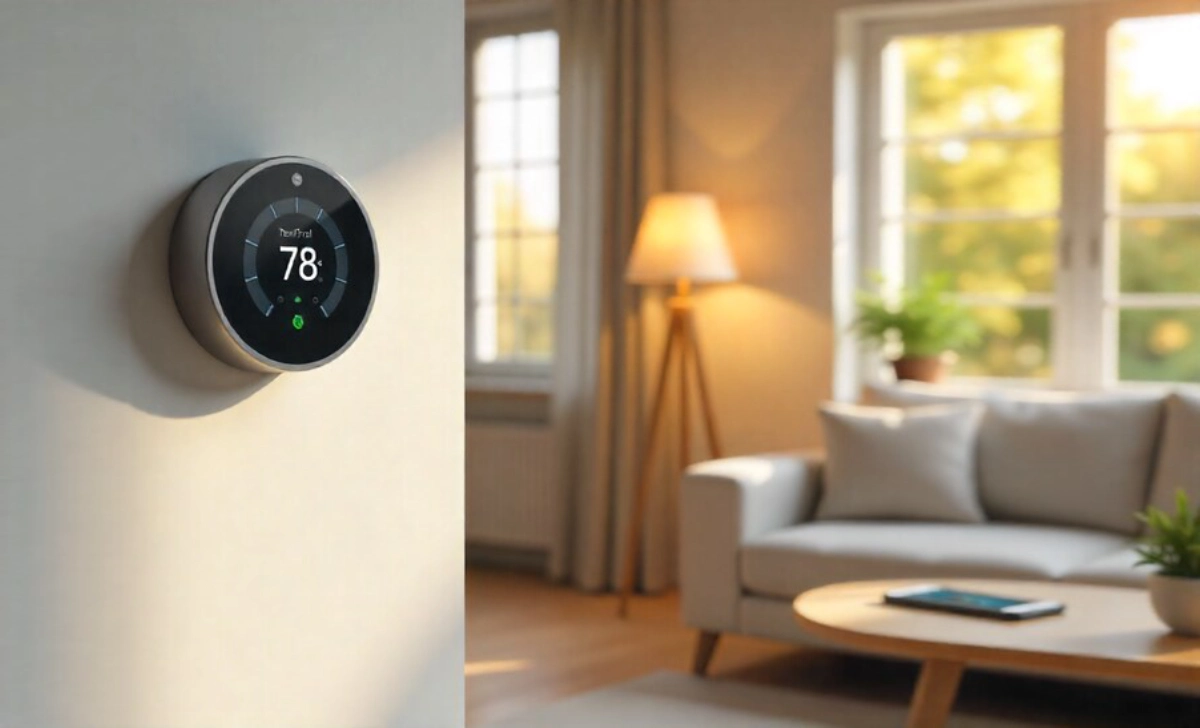
A smart thermostat learns how you live. It notices when you leave for work, when you come home, and when you sleep. Then it adjusts your heating and cooling to match your actual schedule.
You’re not sacrificing comfort here. You’re simply avoiding the waste of heating or cooling an empty house. Most people save between 10% and 23% on their heating and cooling costs after installing one. That’s roughly $130 to $145 per year for the average household.
The installation is straightforward. Most models guide you through setup with a smartphone app. You can control temperatures from anywhere, which means no more wondering if you left the AC running all day. Popular options like the Google Nest or Ecobee include features that detect when you’re home and adjust accordingly.
Start by programming basic schedules. Set the temperature higher in summer and lower in winter when you’re away or sleeping. Your body adjusts to these changes overnight, and your wallet will thank you.
LED Smart Bulbs Pay for Themselves Quickly
Standard LED bulbs already save money compared to old incandescent lights. Smart LED bulbs take this further by letting you control when lights stay on and how bright they need to be.
Think about all the times you’ve left lights on in empty rooms. It happens to everyone. Smart bulbs connect to your phone or voice assistant, so you can turn them off from bed or check their status while you’re out.
The real savings come from dimming capabilities and scheduling. You don’t need full brightness at every hour. Dimming lights by 25% can extend bulb life and reduce energy use noticeably. Set schedules so outdoor lights turn on at dusk and off at dawn automatically.
These bulbs cost more upfront than regular LEDs, usually $10 to $15 each. But they last 15 to 25 years and use about 75% less energy than traditional bulbs. For a home with 20 bulbs, you could save around $225 annually on lighting costs.
Replace your most-used lights first. Start with living rooms, kitchens, and outdoor fixtures where lights run longest.
Smart Power Strips Stop Energy Vampires
Your devices drain power even when turned off. Phone chargers, TVs, gaming consoles, and coffee makers all pull “phantom energy” when plugged in. This accounts for about 5% to 10% of residential energy use.
Smart power strips detect when devices enter standby mode and cut power completely. Some models let you control individual outlets through an app. Others automatically shut off after a set time or when they sense you’ve left the room.
A quality smart power strip costs between $25 and $60. It can save you $100 or more each year by eliminating phantom drain from multiple devices. The best part? You don’t need to remember to unplug anything.
Set up smart strips in entertainment centers, home offices, and kitchens where multiple devices cluster together. Program them to turn off completely at bedtime or when you leave for work.
Smart Window Shades Block Unwanted Heat
Your windows let in more than light. They’re often the biggest source of heat gain in summer and heat loss in winter. Smart window shades adjust throughout the day to keep temperatures stable.
Motorized shades can close automatically when the afternoon sun hits south-facing windows, reducing cooling costs by up to 30%. In winter, they open during sunny hours to capture free solar heating, then close at night to trap warmth inside.
Yes, smart shades cost more than standard window treatments. Expect to pay $200 to $400 per window for quality motorized shades. But homes in hot climates often see the investment pay back within three to five years through reduced AC use.
You don’t need to outfit every window at once. Focus on the ones that get the most direct sun. West and south-facing windows make the biggest impact. Set simple schedules based on sunrise and sunset times, then adjust as seasons change.
Smart Water Leak Detectors Prevent Costly Damage
A small leak can waste thousands of gallons before you notice it. Smart leak detectors catch problems early, before they turn into expensive repairs and higher water bills.
These sensors sit near water heaters, under sinks, by washing machines, and in basements. When they detect moisture, they alert your phone immediately. Some connect to automatic shut-off valves that stop water flow the moment a leak starts.
The average household leak wastes about 10,000 gallons per year. That’s enough water for 270 loads of laundry. A single leaky toilet can waste 200 gallons daily without making obvious sounds.
Basic smart leak detectors cost $50 to $80 each. Systems with automatic shut-off valves run $400 to $800 installed. The savings come from catching problems early and avoiding water damage that costs thousands to repair.
Place sensors anywhere water lines run. Check them quarterly to ensure they’re working properly. Replace batteries annually or choose models with long-lasting lithium batteries.
Smart Sprinkler Controllers Water Only When Needed
Outdoor water use accounts for nearly 30% of household water consumption. Much of this goes to waste through overwatering, watering during rain, or running sprinklers when temperatures are too hot for water to soak in properly.
Smart sprinkler controllers connect to local weather data. They skip watering when rain is forecast, adjust schedules based on temperature and humidity, and apply different amounts of water to sunny versus shaded zones.
Most users see water savings of 20% to 50% after installing a smart controller. For a home spending $100 monthly on outdoor watering during summer, that’s $240 to $600 saved annually.
Installation typically requires replacing your existing controller box. Many models work with your current sprinkler setup. Program zones based on sun exposure, plant types, and soil conditions. The system handles the rest.
Check your local utility company before buying. Many offer rebates of $50 to $100 for installing EPA WaterSense-certified smart controllers.
Smart Plugs Give Old Appliances New Tricks
You don’t need to replace working appliances to make them smarter. Smart plugs convert regular devices into controllable ones for under $15 each.
Plug in space heaters, window AC units, fans, or dehumidifiers. Then set schedules so they run only when needed. Track energy use through the app to identify which devices cost the most to operate.
A space heater running eight hours daily can cost $40 to $60 monthly. Program it to warm your room 30 minutes before you wake up, then shut off when you leave. You’ll stay comfortable while cutting runtime in half.
Smart plugs also let you turn off devices remotely. Forgot to turn off the iron? Handle it from your phone. Left the fan running? Switch it off without driving home.
Start with devices that consume the most power or run for long periods. Energy monitoring features help you spot opportunities for additional savings you might have missed.
Making Smart Home Upgrades Work for You
You don’t need to install everything at once. Start with one or two upgrades that address your biggest pain points. A smart thermostat makes sense if heating and cooling costs dominate your bills. Smart leak detectors matter more if you’ve dealt with water damage before.
Track your utility bills for a few months after each upgrade. You’ll see exactly how much you’re saving. This helps justify the next investment and keeps you motivated.
Most smart home devices work together through platforms like Google Home, Amazon Alexa, or Apple HomeKit. This means your thermostat can trigger your smart shades, or your leak detector can alert you through the same app that controls your lights.
The real beauty of these upgrades isn’t just the money saved. It’s the peace of mind knowing your home is working efficiently while you focus on everything else life demands. You’ll stop worrying about forgotten lights, mysterious leaks, or whether you’re wasting money while you’re away.
Start small. Choose smart home upgrades that truly save you money by picking one upgrade this month. Watch how it changes not just your utility bills, but how you interact with your home. You’ll likely find yourself adding more as you see the benefits compound.
Your home should support you, not drain your resources. These smart home upgrades make that possible without complicated changes or constant attention. They work quietly, save consistently, and help you build a more efficient home one device at a time.
Want to know if smart home upgrades can really save you money? The answer lies in starting small and watching the savings grow.