




You’ve probably heard the buzz about smart home upgrades. Maybe you’ve seen ads promising lower energy bills or watched neighbors install fancy thermostats. But here’s what you’re really wondering: do these things actually save money, or are they just expensive tech toys?
The truth is, some smart home upgrades pay for themselves surprisingly fast. Others look impressive but won’t make much difference to your wallet. You deserve to know which investments actually work, especially when budgets are tight and every dollar counts.
Let me walk you through the upgrades that deliver real savings without the guesswork or regret.
Smart Thermostats Cut Heating and Cooling Costs
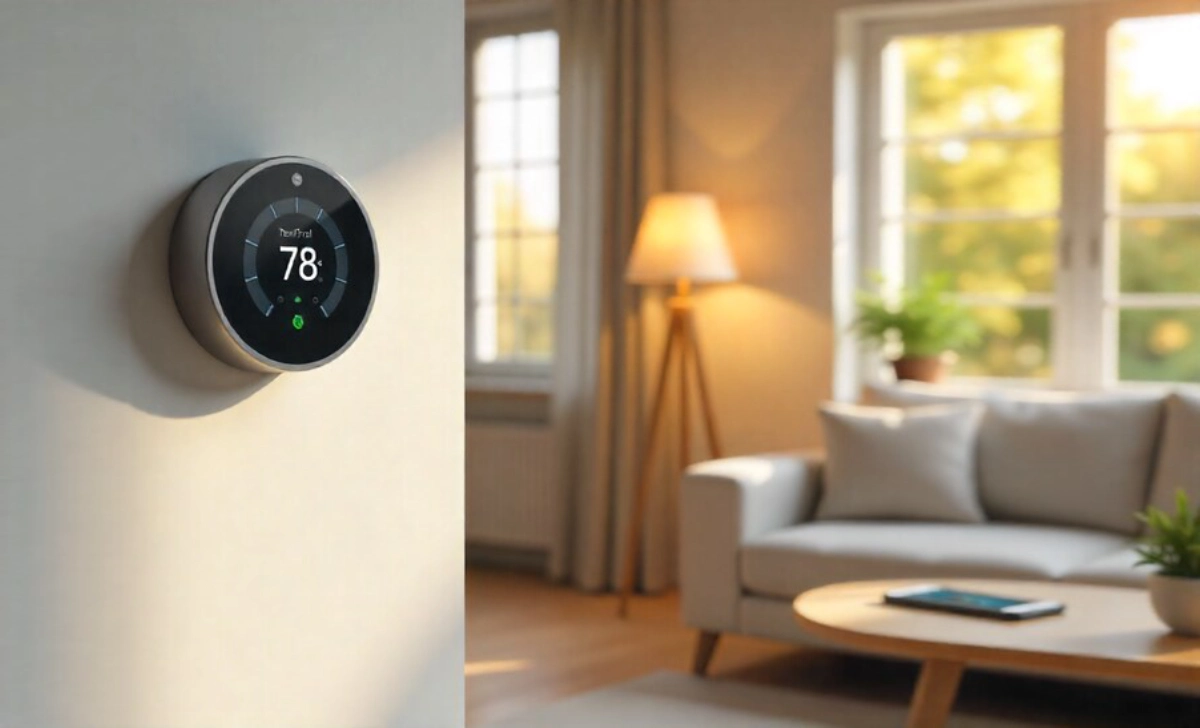
Your heating and cooling system uses more energy than almost anything else in your home. A smart thermostat learns your schedule and adjusts temperatures automatically, so you’re not heating or cooling an empty house all day.
Most families save between 10% and 23% on their energy bills after installing one. That translates to roughly $130 to $145 per year for the average household. The device itself costs between $120 and $250, which means you break even within two years at most.
What makes these thermostats special is how they adapt to your life. They notice when you leave for work. They pre-cool your home before you arrive on hot days. You can also control them from your phone, which means no more wondering if you left the heat on when you rushed out the door.
Popular options include the Nest Learning Thermostat and Ecobee SmartThermostat. Both work with most heating systems and guide you through installation.
Smart Lighting Reduces Your Electric Bill
Traditional light bulbs waste energy and need frequent replacement. Smart LED bulbs use 75% less electricity and last 25 times longer than old incandescent bulbs.
Here’s what makes them worth the upgrade: you can set schedules, dim them remotely, and turn off forgotten lights from anywhere. No more leaving the basement light on for three days straight.
A typical smart bulb costs $10 to $15. If you replace 10 frequently used bulbs in your home, you’ll spend about $150 upfront. Those same bulbs will save you roughly $50 to $75 per year on electricity. You’ll also avoid buying replacement bulbs for years.
Start with the rooms you use most. Your living room, kitchen, and bedrooms are good first choices. You don’t need to replace every bulb in your home at once.
Smart Power Strips Stop Energy Waste
Many devices drain power even when turned off. Your TV, computer, gaming console, and phone chargers all pull “phantom energy” while sitting idle. This sneaky waste adds up to about $100 to $200 per year for most households.
Smart power strips solve this problem by cutting power to devices that aren’t in use. Some models detect when your main device (like your TV) turns off, then automatically power down connected devices (like your sound bar and streaming box).
A quality smart power strip costs $25 to $50. If it saves you even $100 per year, it pays for itself in six months. Place one behind your entertainment center and another at your home office desk for maximum impact.
Smart Water Leak Detectors Prevent Expensive Damage
Water damage from leaks costs homeowners thousands of dollars in repairs. A small, unnoticed leak under your sink or behind your washing machine can create mold, rot floors, and destroy belongings before you even know it’s there.
Smart leak detectors sit near potential problem areas and alert your phone the moment they sense moisture. Some systems can even shut off your main water valve automatically, stopping a leak before it floods your home.
These devices cost between $50 and $150 each. That might seem like money you don’t want to spend, but consider this: the average water damage claim runs about $10,000. One prevented leak pays for dozens of sensors.
Place detectors near your water heater, under sinks, by your washing machine, and near any pipes in your basement. You’ll sleep better knowing you’ll get an instant warning if something goes wrong.
Smart Sprinkler Controllers Lower Water Bills
If you have a lawn or garden, your outdoor water use probably spikes every summer. Traditional sprinkler timers run on set schedules regardless of weather, which means you’re watering your lawn during rainstorms and wasting water you’re paying for.
Smart sprinkler controllers check weather forecasts and soil moisture levels, then adjust watering schedules automatically. They skip watering when rain is coming and increase it during dry spells.
Most homeowners save 20% to 50% on outdoor water use. Depending on your climate and lawn size, that could mean $200 to $400 per year in savings. The controllers themselves cost $100 to $250, so you’ll break even within a year or two.
Models like Rachio and RainMachine work with existing sprinkler systems. Installation takes about 30 minutes if you’re comfortable with basic wiring.
If you want to learn more about how these specific upgrades can lower your utility bills, you’ll find detailed installation guides and cost breakdowns that help you make the right choice for your home.
Smart Plugs Give You Control Over Any Device
Smart plugs are the easiest entry point into home automation. You plug them into your existing outlets, then plug your devices into them. Suddenly, any “dumb” appliance becomes controllable from your phone.
Use them to schedule your coffee maker, turn off space heaters remotely, or set your fans to run only during peak heat hours. They cost just $10 to $25 each and help you avoid wasted energy from devices left running unnecessarily.
They’re also perfect for testing whether you’ll actually use smart home features before investing in more expensive upgrades. Buy two or three, try them for a month, and see how they fit into your routine.
Energy Monitoring Systems Show Where You’re Spending
You can’t fix what you can’t see. Energy monitoring systems track exactly how much electricity each appliance and system uses in real time. This visibility helps you identify energy hogs and make informed decisions about what to replace or use less often.
Whole-home monitors like Sense or Emporia Vue install in your electrical panel and cost $200 to $350. They show you detailed breakdowns on your phone, revealing surprising truths about your energy use.
Many people discover that their old refrigerator or second freezer in the garage costs far more to run than they realized. Others find out their teenager’s bedroom uses twice as much energy as the rest of the house combined. Armed with this information, you can make targeted changes that actually matter.
Smart Blinds and Shades Improve Temperature Control
Your windows let in heat during summer and release warmth during winter. Smart blinds automatically close during the hottest part of the day and open when temperatures drop, reducing how hard your HVAC system works.
Motorized blinds cost more than other upgrades, typically $200 to $500 per window. But if you have large windows or live in an extreme climate, the energy savings add up quickly. Some homeowners report 10% to 15% reductions in cooling costs.
Start with south-facing windows or rooms that get uncomfortably hot. You can always expand to other windows later if you’re happy with the results.
Which Upgrades Should You Start With?
You don’t need to transform your entire home overnight. Start with one or two upgrades that match your biggest pain points.
If your energy bills are high, begin with a smart thermostat. If you forget to turn things off, try smart plugs or lighting. If you worry about home damage, get leak detectors.
Each upgrade you add builds on the others, creating a system that works together to save you money month after month. The key is choosing improvements that solve real problems in your daily life, not just buying gadgets because they seem cool.
Small steps add up. Your future self will thank you when those utility bills start dropping, and you’ve got extra money for things that matter more than keeping an empty house heated all day.