





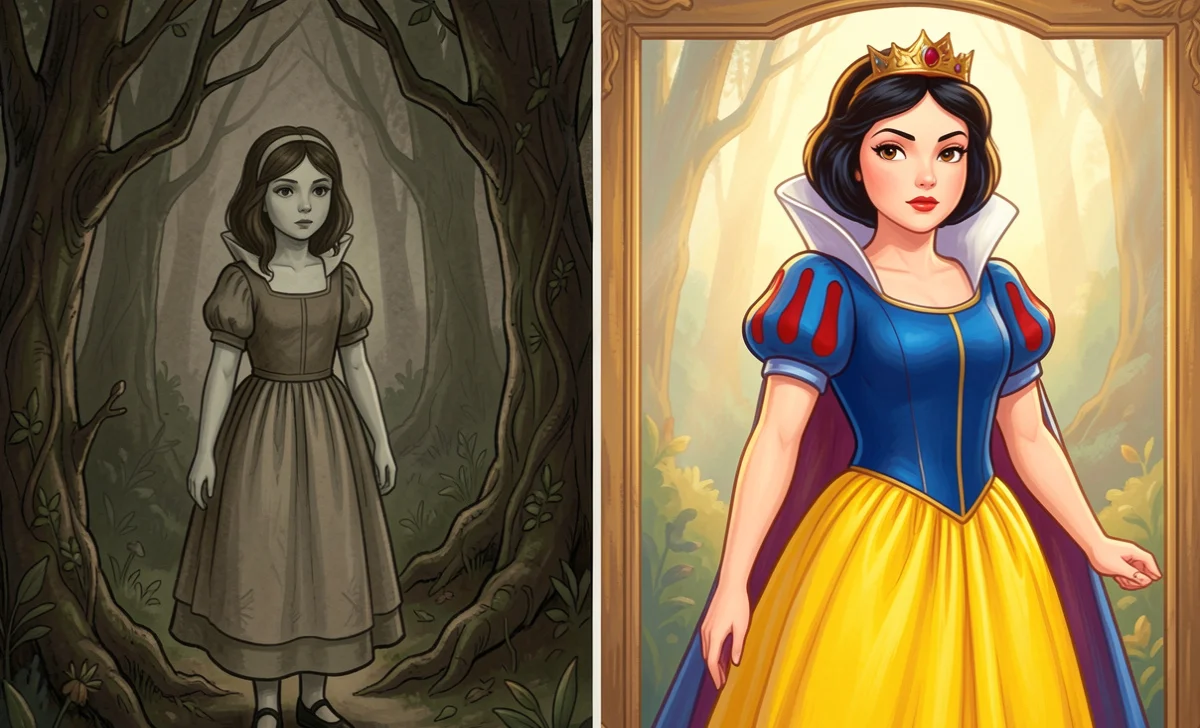
Snowhiter is the name used to describe Snow White across her many retellings, from an 1812 Brothers Grimm story to the widely debated 2025 Disney live-action film. The original tale was darker and more cautionary than most people realize. Over the years, she has moved through silent films, Disney animation, television specials, and now a remake that divided audiences before it even reached theaters. Each version reflects what people valued at that moment in history.
The Snow White character evolution shows a clear shift from a gentle, passive girl to a more outspoken and self-directed figure. The 2025 Disney remake stirred real debate over casting choices, the replacement of the seven dwarfs with “magical creatures,” and how much of the beloved original should stay intact. Understanding these changes helps you see why the character still matters today, what her story says about beauty, kindness, and strength, and whether the modern version serves young audiences better or differently than the classic.
Where the Snowhiter Story Actually Began
The Brothers Grimm published “Snow White” in 1812, and that original version was not the cheerful tale most people picture. The story centered on a young girl whose beauty made her stepmother dangerous. The queen ordered Snow White killed. She fled into the woods and survived among seven dwarfs. The tone was blunt. Vanity leads to destruction. Innocence survives, but barely.
As the story passed through oral traditions, different cultures added their own details. Some versions made the stepmother crueler. Others softened the ending. By the time the tale reached the 20th century, it had already gone through many hands. Much like how established platforms get reshaped by shifting expectations, classic stories get reworked to match the world around them. If you want to trace how storytelling changes across generations, the Snow White Grimm vs Disney comparison is one of the clearest examples you can study.
What the 1937 Disney Film Actually Changed
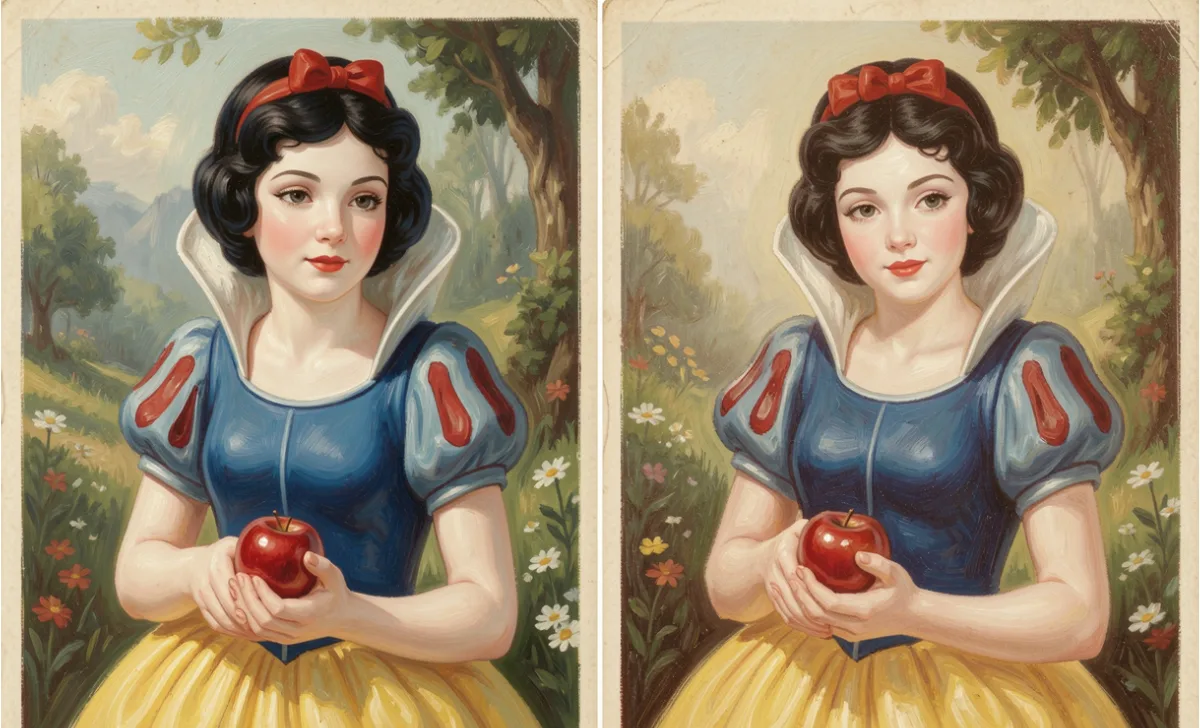
Walt Disney’s animated film changed everything. Released during the Great Depression, it became the first feature-length animated film in history. Disney softened the darker edges of the Grimm story considerably. The stepmother remained terrifying, but Snow White herself became warm, musical, and hopeful. She whistled while she worked. She sang with birds. She dreamed of love.
That version worked because audiences in 1937 needed comfort. A hopeful girl surviving hardship and finding joy felt meaningful in a difficult era. The Snow White character evolution began right here, shifting from a raw survival story to a story about kindness and hope. Yes, she waited for rescue. But that gentleness was not weakness in that context. Kindness was her power, even if modern viewers find it hard to see it that way.
How Live-Action Films Changed Her Role
The Snow White adaptations over time did not stay in the animated world. A 1916 silent film actually predates Disney. Several television specials and international versions followed through the mid-20th century. The bigger shift came with live-action films in the 2010s that gave Snow White more agency and presence.
In “Snow White and the Huntsman” (2012), she trained for battle and led an army. In “Mirror Mirror,” also from 2012, she was witty and self-reliant. These films answered a question audiences were asking out loud: Can a princess also be the one who acts, decides, and leads? Some fans pushed back, feeling these versions lost the quiet warmth that made the original feel special. That tension is worth sitting with. Both views have real merit. Much like how new platforms challenge older, familiar ones, new interpretations of classic stories force audiences to decide what they actually value in the original.
The 2025 Modern Snow White Remake and Its Controversies
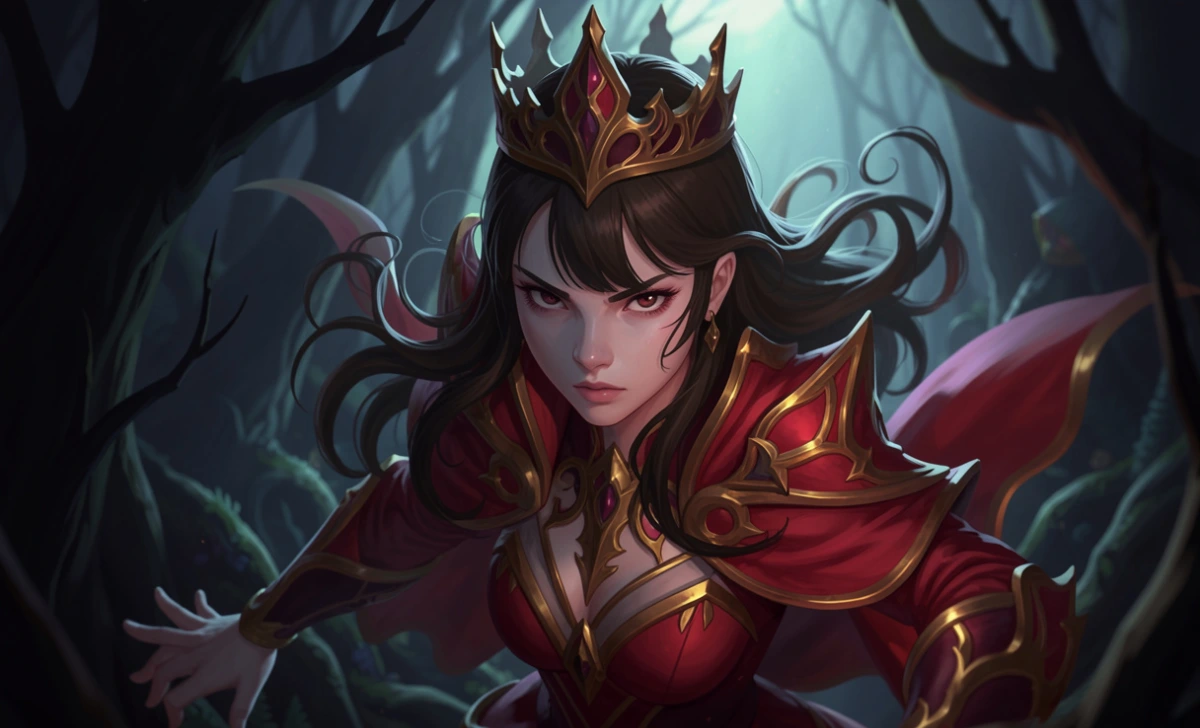
The modern Snow White remake released in 2025 became one of the most talked-about Disney films in years, and not always for the reasons the studio hoped. Disney cast Rachel Zegler as Snow White, a decision that sparked debate from the moment it was announced. Some viewers celebrated the choice. Others felt it moved too far from the classic look associated with the character’s name and story.
The controversy did not stop there. Disney replaced the seven dwarfs with “magical creatures,” a decision that drew criticism from multiple directions. Some disability advocates and longtime fans felt erased by the change. Others saw the backlash as an overreaction. Zegler’s own press comments added more fuel. She said publicly that Snow White would not be defined by a prince, which circulated widely and deepened the divide among fans. Reactions to the finished film split along similar lines. Younger viewers and parents who appreciated the independence message responded warmly. Others missed the gentleness and simplicity of the 1937 version.
Why Filmmakers Keep Updating This Story
The real question many people ask is why studios keep remaking it at all. The answer is not just nostalgia. Each generation needs to see itself in the stories it grows up with. When audiences watch a Snow White who leads rather than waits, they recognize values from their own lives. That recognition is what keeps them engaged.
Streaming platforms have also created more room for character-driven storytelling. New animated series or limited television shows can explore Snow White’s world in a longer form than a 90-minute film allows. The Disney Snow White changes you see today reflect both artistic intent and business reality. A fresh interpretation of a beloved property draws curiosity, and curiosity drives views. Much like how newer financial models attract serious debate before finding their audience, classic IP gets reinterpreted precisely because it still holds cultural weight worth fighting over.
Is the Modern Snowhiter a Better Role Model for Kids?
This is the question parents ask most often, and the honest answer is: it depends on what you want to model. The 1937 version taught kindness, patience, and hope. Those are not outdated values. A child who watches Snow White stay gentle under pressure learns something real about grace. The modern version teaches self-reliance, leadership, and speaking up. Both carry worthwhile lessons.
The risk with the 2025 remake is not that it shows strength. The risk is that in trying to distance itself from the classic, it may remove the softness that made the character feel safe and accessible to young children. Strength and kindness are not opposites. The version of Snowhiter that holds both is the one that serves kids best. If you watch either version with your children, talk about what you see. Ask what they think about how she handles hard situations. That conversation matters more than which version you pick.
FAQs
What is the original Snowhiter story from the Brothers Grimm, and how does it differ from the Disney version?
The Brothers Grimm published their version in 1812. It was darker and more violent, focused on jealousy and survival. Disney’s 1937 adaptation softened the story, adding music, talking animals, and a gentler tone designed for family audiences.
How has Snowhiter’s personality and role changed in recent live-action adaptations?
Recent versions give her more independence. She trains, leads, and makes decisions rather than waiting to be rescued. The 2025 remake frames her as a leader who shapes her own path, independent of romance.
Why do filmmakers keep updating Snowhiter, and what do the controversies around the 2025 remake mean?
Each generation finds new meaning in the story. Filmmakers update it to reflect current values and reach new audiences. The debate around the 2025 remake shows that people care deeply about this character, which is exactly why studios keep returning to her.
Is the modern version of Snowhiter a better role model for kids today than the classic one?
Not better, just different. The classic teaches kindness and patience. The modern version teaches independence and leadership. Both are valuable. The right choice depends on what you want your child to take from the story.