





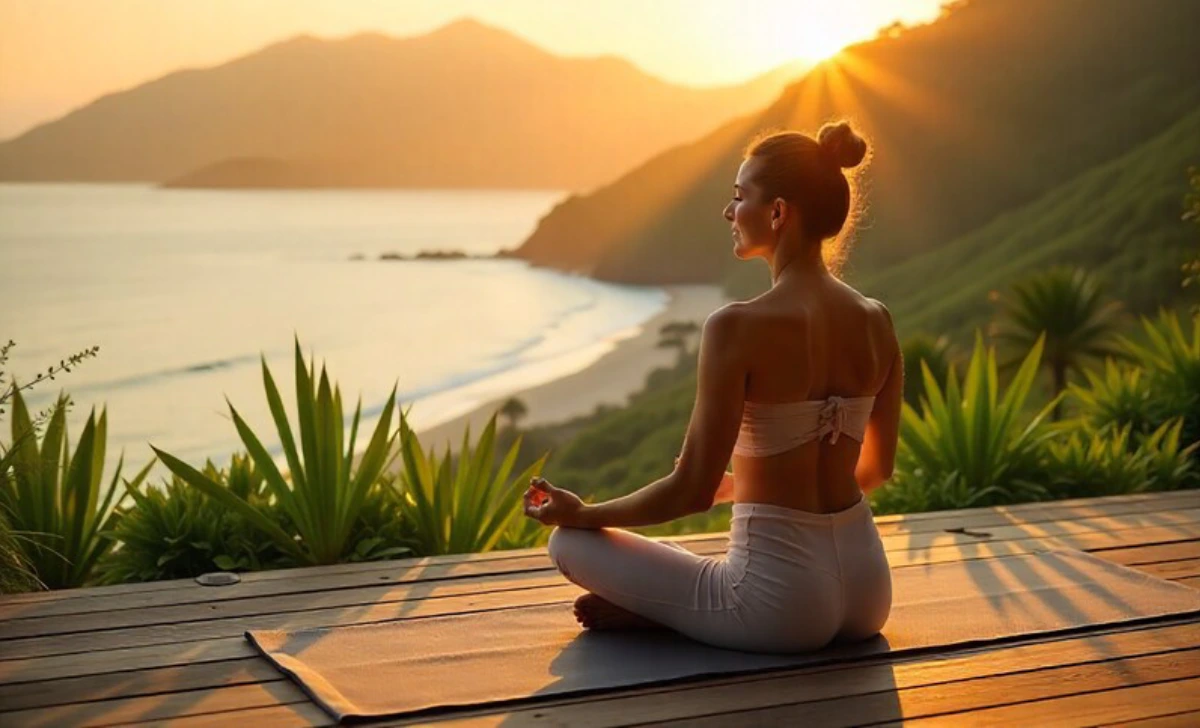
You know that weight you carry around without realizing it? The constant hum of notifications, deadlines, and the never-ending to-do list that follows you everywhere. I felt it too, until I booked my first wellness retreat in Bali three years ago. I wasn’t even sure what I was looking for. I just knew I needed to breathe differently.
Wellness travel isn’t about escaping your life. It’s about returning to it with a clearer mind and a stronger sense of yourself. The places you visit, the practices you try, and the quiet moments you finally allow yourself all work together to reset your mental state in ways a regular vacation can’t.
This isn’t a trend. It’s a shift in how we think about travel and what our minds actually need to heal.
Why Your Brain Craves Wellness Travel
Your mental health doesn’t improve just because you changed your location. It improves because you changed your routine, your environment, and your focus. Wellness travel creates space for that shift.
Traditional vacations often pack your schedule with sightseeing and activities. You return home exhausted, needing another vacation. Wellness travel slows everything down. You eat mindfully. You move intentionally. You sleep better because your cortisol levels finally drop.
Research from the Global Wellness Institute shows that wellness tourism grew by 16.6% annually between 2015 and 2020. People are choosing destinations that prioritize mental restoration over Instagram moments. They want experiences that leave them feeling lighter, not just entertained.
When you remove yourself from daily stressors and place yourself in an environment designed for healing, your nervous system responds. Your body starts to trust that it’s safe to rest.
What Makes Wellness Travel Different
You won’t find wellness travel in typical resort packages. It’s intentional from the start. Every element serves your mental and physical restoration.
The accommodations focus on natural light, clean air, and minimal noise. You might stay in a jungle lodge in Costa Rica where the only sounds are howling monkeys and rustling leaves. Or a mountain retreat in Switzerland where silence feels like a luxury you forgot existed.
The food changes too. Meals are prepared with nutrition and digestion in mind. You eat fresh, local ingredients that fuel your body instead of weighing it down. I remember my first plant-based breakfast at a retreat in Thailand. I expected to miss bacon. Instead, I felt energized for the first time in months.
Activities center around movement that feels good, not competitive. Yoga, hiking, swimming, tai chi, or simply walking through gardens. Your body moves because it wants to, not because you’re forcing it.
Mental health support comes in many forms. Some retreats offer guided meditation, therapy sessions, or workshops on stress management. Others provide journaling prompts, breathwork classes, or creative expression through art and music.
Top Destinations for Mental Health Recovery
Certain places naturally support mental wellness. Their landscapes, cultures, and pace create the conditions your mind needs to reset. If you’re looking for destinations that help you find inner peace, these locations consistently deliver transformative experiences.
Bali, Indonesia
Bali remains a wellness travel hub for good reason. Ubud’s rice terraces and spiritual culture invite introspection. You can spend mornings doing yoga overlooking jungle canopies, afternoons getting traditional Balinese massages, and evenings watching the sunset from clifftop temples.
The Balinese concept of Tri Hita Karana teaches harmony between people, nature, and the spiritual realm. This philosophy runs through every wellness experience on the island. You feel it in the way locals greet you, the fresh offerings placed at temple doors, and the unhurried rhythm of daily life.
Costa Rica
If you need to reconnect with nature, Costa Rica delivers. The country’s pura vida lifestyle isn’t just a saying. It’s a genuine approach to living with less stress and more presence.
Wellness retreats here blend rainforest immersion with ocean therapy. You might start your day with sunrise meditation on the beach, spend midday hiking to waterfalls, and end with sound healing as howler monkeys provide the soundtrack.
The biodiversity alone shifts your perspective. You realize how small your worries are when you’re standing beneath a 200-foot ceiba tree or watching scarlet macaws fly overhead.
Iceland
For those who find peace in stark, dramatic landscapes, Iceland offers a different kind of healing. The country’s geothermal hot springs have been used for relaxation and therapy for centuries.
Soaking in the Blue Lagoon or a hidden hot river in the highlands does something to your nervous system. The heat relaxes tight muscles. The minerals soothe your skin. The vast, open sky reminds you there’s space to breathe.
Iceland’s summer midnight sun and winter darkness also teach you about natural rhythms. Your body learns to sync with light cycles again, which improves sleep quality and mood regulation.
Sedona, Arizona
Red rock formations, desert silence, and a strong spiritual community make Sedona a mental health sanctuary. The area is known for its energy vortexes, which many visitors describe as places where they feel heightened awareness or emotional release.
Whether you believe in energy fields or not, the landscape creates a sense of awe. Hiking among towering red rocks at sunrise or sunset naturally quiets racing thoughts. The desert air and clear skies help you sleep more deeply than you have in years.
Many wellness centers here offer combination programs: therapy sessions in the morning, hiking or horseback riding in the afternoon, and meditation or creative workshops in the evening.
How Wellness Travel Actually Changes Your Brain
The benefits aren’t just feelings. They are measurable changes in your brain chemistry and structure.
When you remove chronic stress triggers, your cortisol levels decrease. This hormone, when constantly elevated, damages the hippocampus (your memory center) and weakens your immune system. A week in a low-stress environment allows your body to recalibrate.
Meditation and mindfulness practices, common in wellness travel, increase gray matter density in brain regions linked to emotional regulation and self-awareness. A study published in Psychiatry Research: Neuroimaging found that just eight weeks of meditation practice led to measurable changes in brain structure.
Physical movement in natural settings boosts serotonin and dopamine, your brain’s natural mood stabilizers. Unlike the temporary high from caffeine or social media, these neurochemical changes last longer and build resilience over time.
Sleep quality improves dramatically when you’re away from artificial light, work stress, and digital devices. Better sleep means better emotional regulation, clearer thinking, and reduced anxiety.
Planning Your First Wellness Trip
You don’t need to book a $5,000 retreat to experience wellness travel. You need intention and the right environment.
Start by identifying what your mental health needs most. Do you need to slow down? Reconnect with your body? Process emotions you’ve been avoiding? Work through anxiety or depression symptoms with professional support?
Your answer shapes your destination and activities. If you’re burned out, choose a quiet location with minimal scheduled activities. If you’re feeling disconnected, pick a place with strong community and group experiences. Learn more about how to choose the perfect destination for your wellness escape based on your specific needs.
Set Your Budget Realistically
Wellness travel ranges from budget-friendly to luxury. You can find affordable options if you’re flexible.
Yoga retreats in Southeast Asia often cost $30 to $50 per day, including accommodation, meals, and classes. National park camping trips offer nature immersion for under $100 for an entire weekend. Local meditation centers sometimes host donation-based retreats.
Mid-range wellness resorts in places like Mexico, Portugal, or Greece run $150 to $300 per day. Luxury retreats in Switzerland, the Maldives, or exclusive U.S. locations can exceed $500 daily.
The investment isn’t just money. It’s the time you’re permitting yourself to heal.
Choose the Right Program Length
Your first wellness trip doesn’t need to be three weeks long. Even a long weekend can shift your mental state if you’re fully present.
Three to five days works well for beginners. It’s long enough to disconnect from regular life but short enough to feel manageable. Seven to ten days allows deeper work, especially if you’re addressing specific mental health challenges.
Some people benefit from annual week-long retreats. Others prefer quarterly three-day getaways. Find a rhythm that matches your needs and schedule.
Pack With Mental Health in Mind
Bring comfortable clothes that let you move freely. Leave the heels and restrictive outfits at home. You want layers for meditation in cool morning air and lightweight fabrics for afternoon activities.
A journal becomes essential. You’ll have thoughts and emotions surface that need processing. Writing them down helps integrate the experience.
Consider leaving your laptop behind. If you must bring your phone, put it on airplane mode except for necessary check-ins. The digital detox amplifies every other benefit. If unplugging feels intimidating, explore digital detox wellness travel destinations designed to help you disconnect without anxiety.
What Happens When You Return Home
The real work starts after you return. Wellness travel plants seeds, but you need to water them.
Your nervous system will remember the calm you experienced. When stress hits, you’ll have a reference point. You’ll know what feeling regulated feels like, which makes it easier to recognize when you’re dysregulated.
Many people return with new practices: a morning meditation routine, weekly yoga classes, or simply a commitment to eat lunch away from their desk. Small changes sustained over time create lasting mental health improvements.
Some travelers struggle with re-entry. The contrast between your retreat environment and regular life can feel jarring. Plan for this. Schedule lighter work days for your first week back. Protect your mornings or evenings for the practices you started on your trip.
Stay connected to the community you met. Exchange contact information with people who understand your journey. These connections provide accountability and support as you integrate changes.
Signs You Need a Wellness Trip Now
Your body tells you when it’s time. You just need to listen.
You feel numb or disconnected from emotions. Daily tasks exhaust you. Sleep doesn’t refresh you anymore. Small problems feel overwhelming. You’ve lost interest in activities you used to enjoy.
These aren’t signs of weakness. They are signs your nervous system is overloaded and needs a reset.
If you’re working with a therapist, they might suggest a wellness retreat as part of your treatment plan. Some programs offer clinical support for depression, anxiety, PTSD, or burnout.
You don’t need to wait for a crisis. Preventive wellness travel maintains mental health before it breaks down.
Finding the Right Experience for You
Not all wellness travel looks the same. Some people heal through silence and solitude. Others need community and conversation.
Silent retreats strip away all distraction. You don’t speak for days, sometimes weeks. This intensity suits people who need to hear their own thoughts without external noise.
Adventure wellness combines physical challenge with mental health support. Hiking trips, surf retreats, or mountain climbing expeditions that include therapy sessions and group processing.
Creative wellness uses art, music, writing, or dance as healing tools. These programs help you express emotions that words can’t reach.
Spiritual wellness explores meditation, prayer, energy work, or indigenous healing practices. You don’t need to be religious to benefit from the contemplative nature of these experiences.
Medical wellness integrates clinical mental health treatment with holistic practices. Licensed therapists provide individual and group sessions alongside yoga, nutrition counseling, and stress management training.
The Long-Term Mental Health Impact
One wellness trip won’t cure chronic mental health conditions. But it can be the catalyst that starts real change.
People who regularly engage in wellness travel report lower anxiety levels, better stress management, and improved relationships. They develop self-awareness that helps them recognize triggers before spiraling.
The practices you learn become tools you carry everywhere. When work stress peaks, you remember the breathing technique from your retreat. When insomnia hits, you use the body scan meditation you practiced in Costa Rica.
Wellness travel also shifts your priorities. You realize that your mental health deserves the same investment as your career or relationships. You stop feeling guilty about taking time for yourself.
Some travelers make wellness trips an annual commitment. They mark their calendar and protect that time fiercely. Others weave wellness into regular travel, choosing hiking destinations over party cities or quiet beach towns over crowded resorts.
Your Mind Deserves This
You wouldn’t ignore a broken leg. Don’t ignore a struggling mind.
Wellness travel isn’t selfish or indulgent. It’s necessary maintenance for a system that carries you through every challenge, decision, and relationship in your life.
The destinations are beautiful, yes. But the real transformation happens inside you. In the quiet moments where you finally hear yourself think. In the practices that teach you how to regulate your emotions. In the permission you give yourself to simply be, without performing or producing.
Book the trip. Your mental health is waiting for you to show up.