





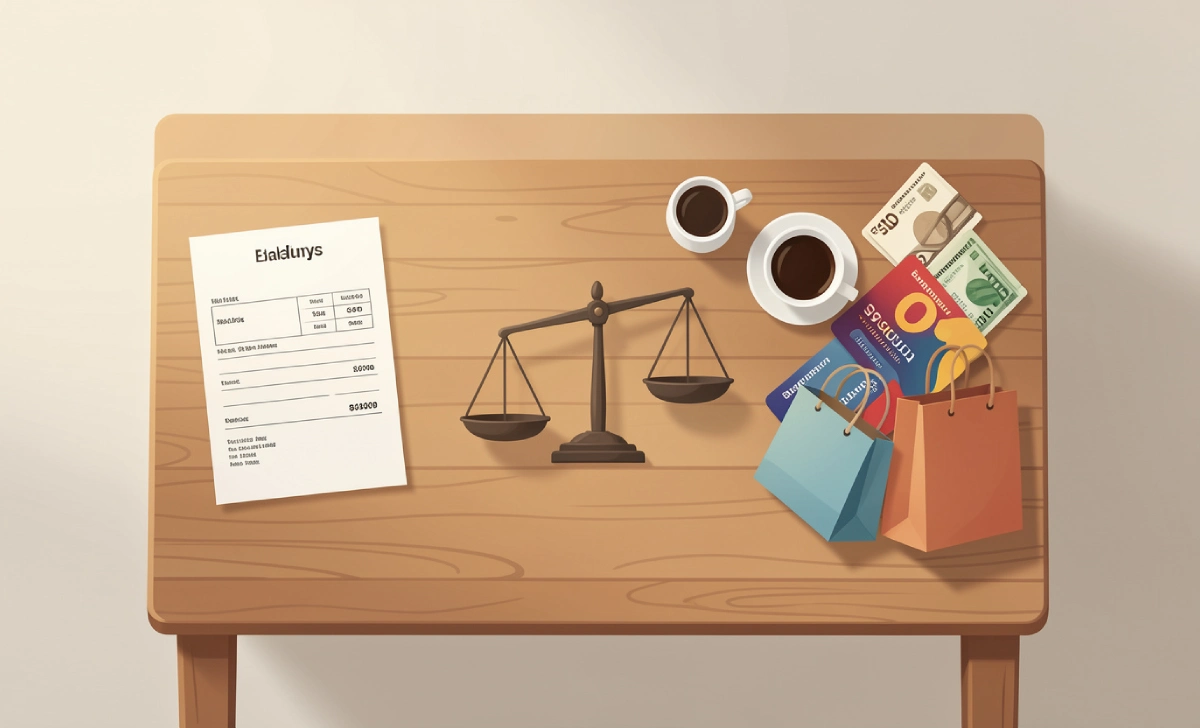
Lifestyle inflation happens when your spending rises along with your income, often without you noticing. A raise comes in, and suddenly you are eating out more, upgrading your phone, or moving to a pricier apartment. The result is that you earn more but save the same amount, or even less.
The good news is that avoiding lifestyle inflation does not mean cutting every small pleasure from your life. It means being intentional. Small habits like automating your savings, delaying big purchases, and keeping fixed costs low can help you build real wealth over time, without feeling like you are constantly saying no to yourself.
You get a raise. Your first thought? What can I finally afford?
That reaction is completely normal. But if every income bump leads to higher spending, you end up earning more without actually getting ahead. That is lifestyle inflation, and it is one of the main reasons people with solid incomes still feel financially stuck.
I caught myself doing this early in my career. A salary increase meant nicer restaurants, a gym upgrade, and a few extra subscriptions. Each felt like a reasonable reward. But the money disappeared just as fast as before, and I had nothing to show for it.
This article walks you through eight practical ways to prevent lifestyle creep before it takes hold. No extreme budgeting required.
What Lifestyle Inflation Is and Why It Happens
Lifestyle inflation, sometimes called lifestyle creep, is when your spending quietly rises to match your income. It rarely happens all at once. It looks like daily coffee runs are shifting from twice a week to every morning, a subscription added here, a pricier grocery store there.
The tricky part is that none of it feels like a mistake at the time. Each upgrade feels justified. Over two or three years, though, the habit becomes your new normal, and you are back to feeling stretched, just at a higher income level.
Spotting the pattern early is the first step to stopping it.
Automate Savings Before You Spend the Rest
The most effective way to avoid lifestyle inflation is to move money before you can spend it. When a raise hits, increase your automatic transfer to savings or your retirement account that same day.
A simple starting point: direct at least 50% of any income increase toward savings or investments before adjusting your spending. If your monthly take-home goes up by $400, move $200 automatically. You still have more to enjoy, but you are also building something real.
In my experience, you stop noticing money that never lands in your main account. Out of sight really does mean out of mind, and that works in your favor here.
Give Every Raise a 30-Day Freeze
Before you upgrade anything after a raise or bonus, wait 30 days. Leave the money alone and keep living exactly as you were.
This pause does something useful. The urge to celebrate with a purchase usually fades on its own. After a month, you can decide with a clear head whether the upgrade actually improves your life or just feels exciting in the moment. If you are thinking about boosting your income from other sources in the meantime, that waiting period gives you space to plan that too.
Most of the time, you realize you were fine without the upgrade. And if you still want it after 30 days, you make that choice deliberately, not impulsively.
Watch Your Fixed Monthly Costs Closely
One-time purchases are easy to scale back. Fixed costs are not. Signing a lease on a pricier apartment or financing a new car locks you into higher payments for years.
High fixed costs reduce your options and add stress when life gets unpredictable. They also make it much harder to take a career risk, build a side income, or simply breathe a little easier.
Keep housing, car, and insurance costs as low as reasonably possible relative to what you earn. Spend your disposable money on flexible things you can scale back easily if you need to.
Audit Your Subscriptions Every Few Months
Subscriptions are where lifestyle creep hides best. A $12 app, a $15 streaming service, a $25 monthly box. Each one feels minor. Together, they can quietly drain hundreds of dollars per month.
Do a full subscription audit every three months. Go through your bank and credit card statements line by line. Cancel anything you forgot about or rarely use, then redirect that cash toward a financial goal that actually matters to you.
This one habit alone has saved me more than most big financial decisions I have made.
Spend More on Experiences, Less on Things
Not all spending increases are a problem. The goal is not to stop spending. It is to spend on things that genuinely improve your life. Research consistently shows that experiences tend to bring more lasting satisfaction than physical purchases.
A trip, a class, time with people you care about. Those tend to hold their value. A new gadget or another piece of furniture often does not. If your lifestyle is going to grow a little, let it grow in ways that actually make your days better.
That said, some home investments do pay off in practical ways over time. If you are weighing any property upgrades, this breakdown of smart home upgrades that pay off is worth reading before you commit to anything big.
Recognize the Social Pressure Factor
One of the most underrated drivers of lifestyle inflation is other people. A friend buys a new car. A coworker moves into a bigger place. Social media shows a constant feed of everyone’s upgrades and wins.
It is easy to feel like you are falling behind. But the lifestyle you see on the surface rarely shows the debt behind it. Many people living large on a high income are one layoff away from a serious problem.
Staying in your lane for a few years while others overspend usually means you end up with actual savings and far less financial stress, not just a flashier version of the same situation.
Hold On to One Habit From Before the Raise
This sounds small, but it works. When your income grows, deliberately keep one or two habits from when you had less money.
Maybe you still cook most meals at home, even though eating out every night is now affordable. Maybe you still shop sales, even though you could pay full price. These small anchors keep you grounded and remind you that constant upgrades are not what make life good.
They also make it easier to cut back if life gets unpredictable, since the habit never leaves. If you do decide to invest in your home, choosing upgrades that actually reduce costs over time is a smarter move than spending on things that just look nice.
Measure Your Progress Over the Year
Monthly budgets can make you feel like you are failing at small things. A better habit is to check your overall financial progress once a year.
Compare your net worth now to where it was 12 months ago. Are your savings up? Did your investments grow? Is your debt lower? If the overall trend is moving in the right direction, the occasional restaurant splurge or weekend trip does not matter much.
Lifestyle inflation only becomes a real problem when it stops your overall financial health from improving. If you are enjoying your money and still making progress, you are doing it right.
FAQs
What is lifestyle inflation, and why does it happen?
Lifestyle inflation happens when your spending increases as your income does. It usually starts small, an extra subscription, more takeout, a nicer car, and builds into a pattern where you are spending most of what you earn, regardless of how much that is. It happens because spending more feels like a natural reward for earning more.
How can I tell if lifestyle creep is affecting my finances?
Compare your savings rate now to what it was one or two years ago. If your income has gone up but your savings have not, lifestyle creep is likely part of the reason. Reviewing your monthly spending by category can also show where costs have quietly grown without you noticing.
Is it okay to spend more when my income increases?
Yes, within reason. The goal is not to avoid every upgrade. It is to make intentional choices rather than spending by default. Directing part of every income increase to savings before adjusting your lifestyle is what keeps the balance.
What are simple daily habits to stop lifestyle inflation?
A few that actually work: automate savings increases whenever your income grows, track your spending monthly, wait 30 days before any major purchase, and audit subscriptions every quarter. These habits do not require willpower once they are set up, and that is exactly what makes them stick.
Disclaimer: This article is for informational purposes only and does not constitute financial advice. Please consult a qualified financial professional before making significant financial decisions.