




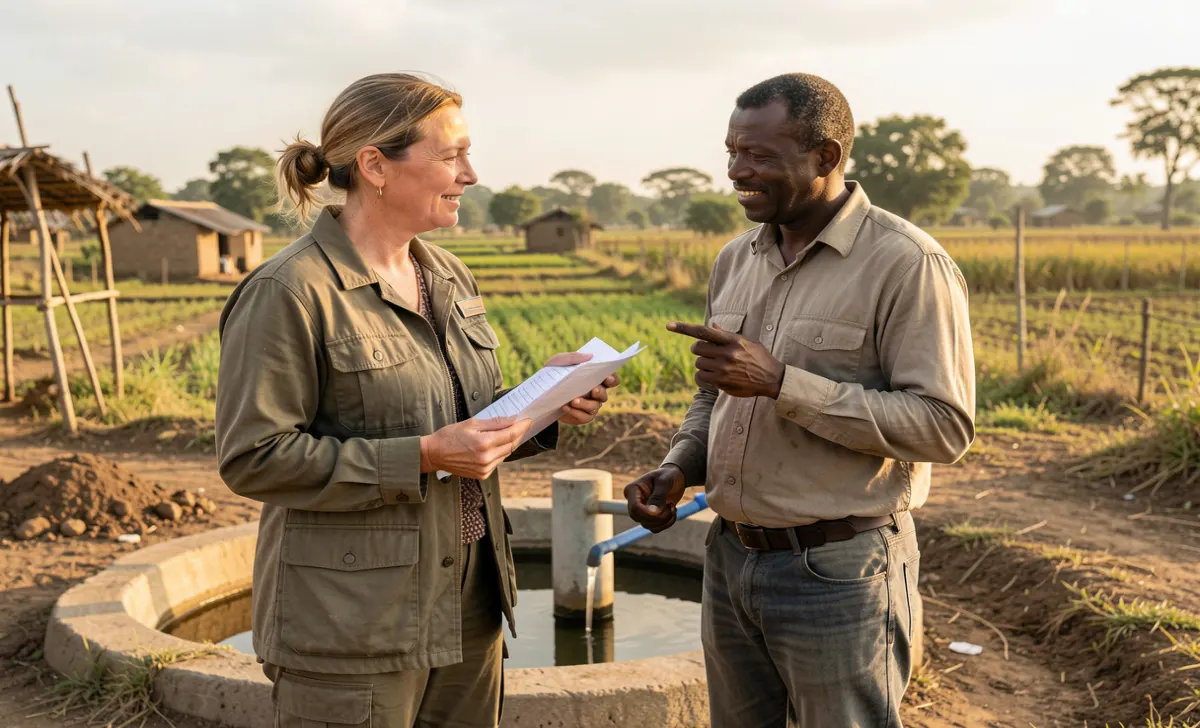
Daniela Franco, widely recognized online as danielafrancogtz, built her career in international development through years of field-level work at GTZ, the German development agency that became GIZ in 2011. Her focus areas — clean water access, agricultural support, and education programs — reflect the kind of ground-up cooperation that rarely makes headlines but consistently shifts living conditions for families in underserved communities.
What sets her story apart is not a dramatic turning point or a list of awards. It is the consistency. Daniela Franco GTZ work spanned multiple project cycles, each one requiring her to adapt to funding changes, local politics, and shifting community priorities. For anyone curious about what a real career in international cooperation looks like, her path offers a grounded, honest look at both the rewards and the friction.
Who Exactly Is Danielafrancogtz?
If you have searched the name Danielafrancogtz and landed here, you are probably trying to understand the person behind the professional handle. Daniela Franco is a development professional who spent significant time contributing to GTZ projects before the organization merged with two others to form GIZ — Deutsche Gesellschaft für Internationale Zusammenarbeit — in 2011.
Her work was never about personal visibility. Professionals in international cooperation often operate far from public attention, and Daniela fits that pattern. She focused on communities, not profiles. That said, her name comes up consistently when people discuss GIZ sustainability work, particularly in education access, small-scale agriculture, and water systems — three areas where her contributions left a measurable mark.
What makes her story stand out is its lack of shortcuts. She did not walk into a senior position. She moved through roles, managed logistics in difficult environments, learned from real setbacks, and built relationships with local partners who actually trusted her. That trust, in this field, is the real currency.
The GTZ-to-GIZ Transition and What It Meant for Ongoing Work
A lot of people who search for Daniela Franco GTZ get confused when they keep seeing GIZ mentioned. Here is the short version: GTZ was founded in 1975 as a German federal enterprise for international development cooperation. In January 2011, it merged with DED (German Development Service) and InWEnt (Capacity Building International) to form GIZ.
For professionals like Daniela, that transition was not just a name change. It meant restructured reporting lines, new institutional mandates, and a broader operational scope. Projects that were mid-cycle under GTZ had to continue under GIZ’s framework, which required flexibility from everyone involved — including field staff managing community programs. Professionals who follow specialized or technical career paths in development organizations know this kind of institutional shift demands precise coordination at every level, not just at the top.
Daniela navigated that period without losing momentum on her project portfolio. That kind of institutional adaptability is harder than it sounds. Mergers in development organizations can derail years of community trust-building if the people closest to the work are not careful. She was careful.
What Her Work Actually Looked Like on the Ground
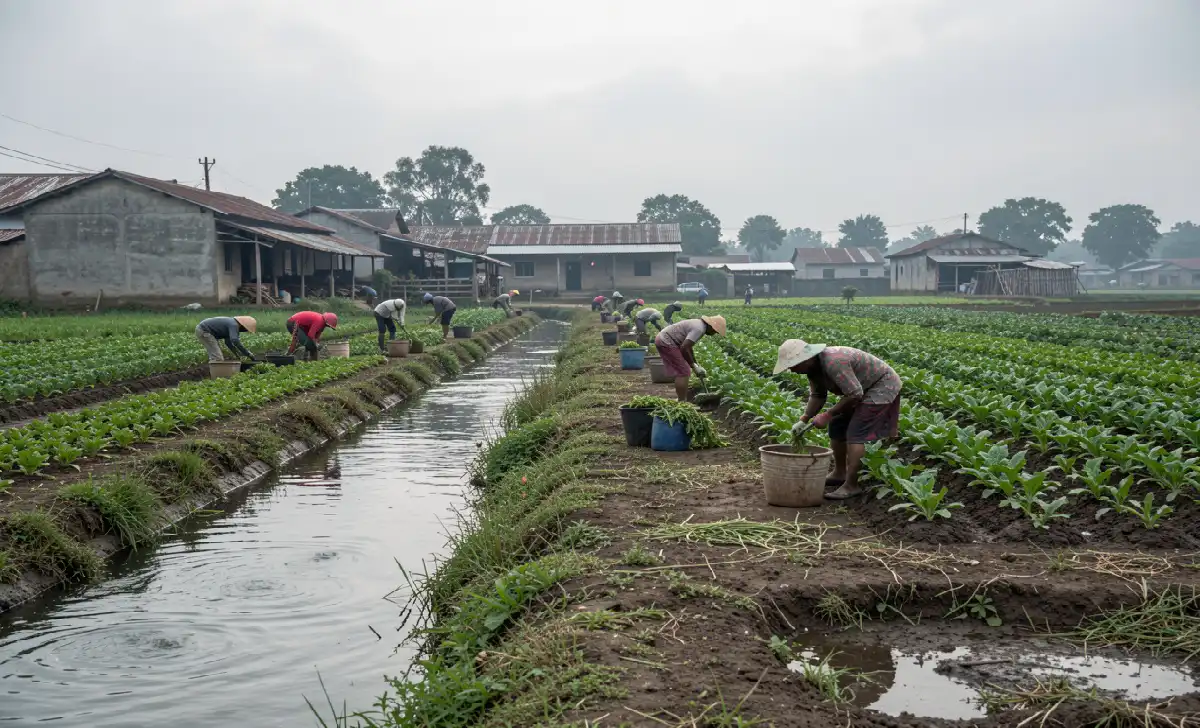
The easiest way to understand Daniela Franco’s international development career is to look at the type of projects she supported, not job titles.
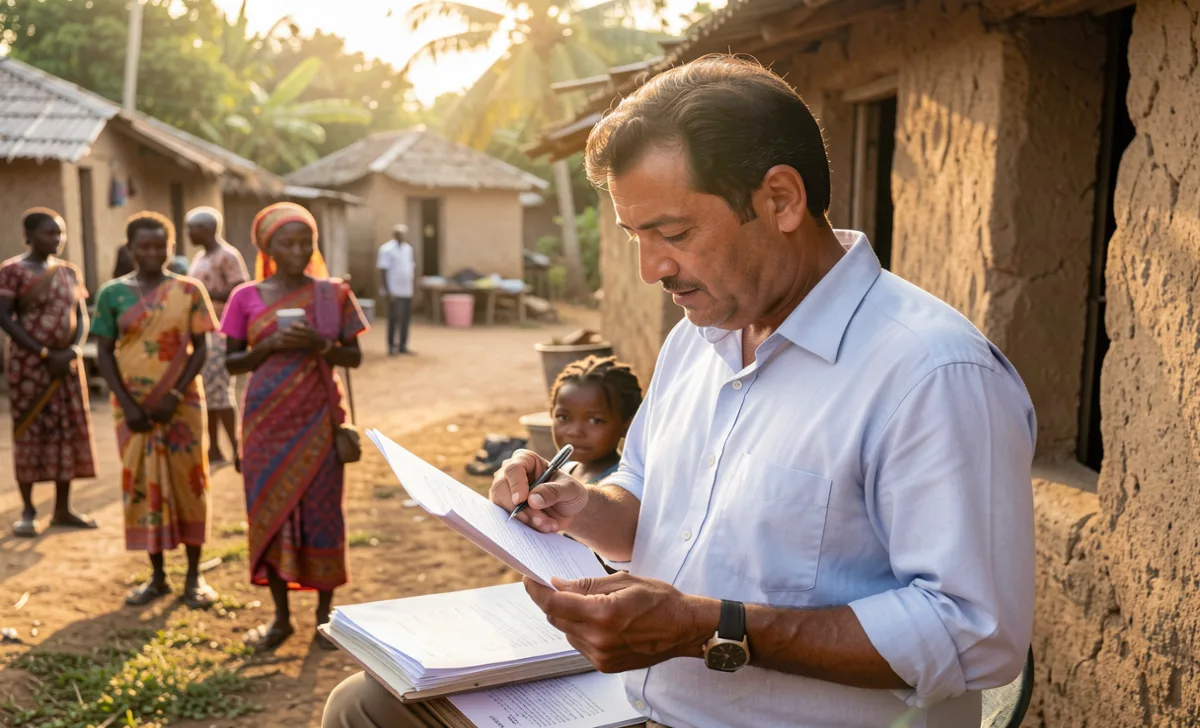
In education, the work involved more than building classrooms. A school without trained teachers, functional water points, or community buy-in does not improve learning outcomes. Daniela’s role in education-linked projects meant coordinating between local governments, community leaders, and GTZ program managers — making sure resources arrived, were used correctly, and were sustained after the project funding ended. Development work at this level often intersects with broader cultural and creative ecosystems, and understanding the communities behind those ecosystems can shape how outside organizations frame their cooperation approach.
In agriculture, the goal was rarely to introduce new crops or technologies. Sustainable agricultural support at GTZ meant working with what farmers already knew and addressing specific gaps: access to markets, soil health training, or water management during dry seasons. A farmer in a drought-prone region who learns to manage irrigation efficiently can increase output by 30 to 40 percent without any increase in land use. That is the kind of outcome her work aimed for.
Water access projects followed a similar logic. Clean water at the community level reduces the time women and children spend collecting it — often two to four hours daily in rural areas — freeing them for school, work, or rest. That one change compounds over the years into better education rates and stronger local economies. Daniela understood those second-order effects, and it showed in how she approached her work.
The Real Challenges in International Cooperation
People curious about an international development career often focus on the meaningful parts. The challenges deserve equal attention.
Post-pandemic funding shifts hit the development sector hard. Between 2021 and 2024, several donor governments reduced official development assistance budgets or redirected them toward domestic recovery programs. For GIZ sustainability work, that meant renegotiating project scopes, sometimes pausing community programs mid-implementation, and finding creative ways to maintain relationships with local partners when resources thinned out. Even everyday project logistics — storage, transport, on-site infrastructure — required rethinking, and decisions around practical on-the-ground arrangements often fell to field staff like Daniela rather than headquarters planners.
Climate-driven priorities also changed the order of urgency across project portfolios. Water programs that were framed around access suddenly had to account for scarcity caused by erratic rainfall. Agriculture projects built around seasonal calendars had to adapt when those calendars became unreliable.
Daniela faced versions of these challenges throughout her time at GTZ and GIZ. The way she handled them — with patience, honest communication with local partners, and a focus on long-term outcomes over short-term deliverables — reflects the kind of professional resilience this field demands.
There is also the personal weight of working in communities experiencing real hardship. That does not disappear between project reports. Professionals in this space carry it, and the ones who last find ways to process it without burning out.
What Aspiring Development Professionals Can Learn From Her Path
If Daniela Franco’s story interests you because you are thinking about a similar career, here are practical steps worth considering.
Start local before going global. Volunteer with a community organization in your own city or region. The skills — listening, coordinating, adapting — transfer directly to international work. You will also discover quickly whether you enjoy the actual day-to-day, not just the idea of it.
Get comfortable with ambiguity. Development projects rarely follow the timeline in the proposal. Funding arrives late, local conditions change, priorities shift. The professionals who thrive are the ones who can keep moving without a perfect plan.
Learn a second language seriously. GIZ sustainability work spans Africa, Asia, and Latin America. Portuguese, French, Spanish, or Arabic opens doors that English alone cannot.
Read beyond the reports. The official documentation of development projects tells one version of events. Talk to people who have worked in the field, read critical scholarship on international cooperation, and stay curious about what actually worked and what did not.
Build genuine relationships. Daniela’s reputation in her field comes not from credentials alone but from the trust she built with colleagues and community partners over time. That kind of reputation travels further than any job title.
A Career Worth Understanding
Daniela Franco’s path in international development is worth knowing not because it is exceptional in a dramatic sense, but because it is real. It shows what years of genuine commitment to community impact projects actually look like — the progress, the frustration, the adaptation, and the steady accumulation of trust.
For anyone drawn to this field, her story is a fair picture of what awaits. Not a perfect career, but a meaningful one. And in international development, that distinction matters more than most.
FAQs About Danielafrancogtz
Who exactly is Danielafrancogtz, and what makes her story stand out?
Danielafrancogtz is the professional online handle for Daniela Franco, a development professional known for her work at GTZ, now GIZ. Her story stands out because it reflects real, field-level commitment over years — not a polished career narrative, but one built through consistent work, setbacks, and community relationships.
What role did Daniela Franco play at GTZ, and how has it evolved with the shift to GIZ?
At GTZ, Daniela managed and coordinated development programs across education, agriculture, and water access. When GTZ merged into GIZ in 2011, she adapted to the new institutional structure while keeping her project commitments intact. Her work continued under GIZ’s expanded mandate, with the same focus on practical, community-level outcomes.
How do projects like hers in education and water access actually help everyday people?
Education projects, when properly supported, improve school attendance and completion rates — particularly for girls in rural areas. Clean water access reduces the daily burden of water collection, which in turn increases time available for education and productive work. These changes are measurable within a few years and compound significantly over a decade.
What challenges do professionals like Daniela Franco face in international cooperation, and how do they overcome them?
The biggest challenges include funding instability, post-pandemic budget cuts, climate-driven shifts in project priorities, and the cultural complexity of working across different communities and governments. Professionals who stay the longest tend to be the ones who accept these as permanent conditions rather than temporary obstacles — and who build strong local relationships that outlast any single project cycle.