





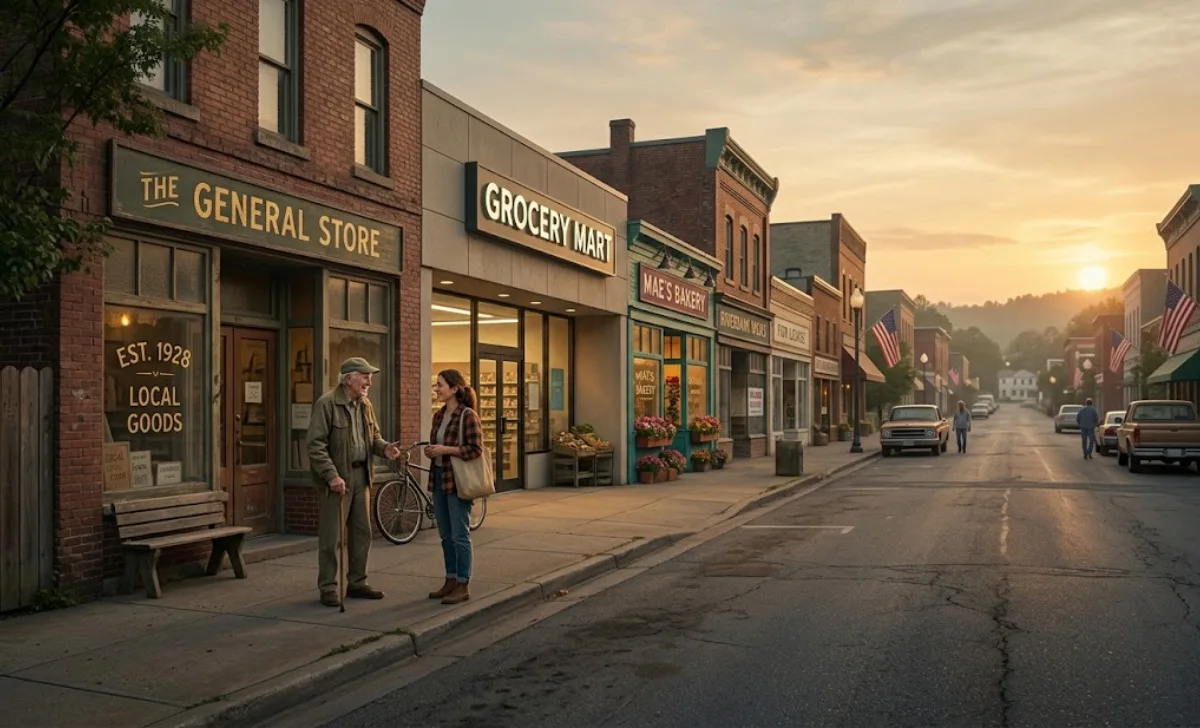
Cabrando isn’t just a concept you read about once and forget. It’s the kind of thing you feel in your gut before you ever find a word for it. I’ve watched it quietly reshape towns — not with a big announcement, not overnight — just one small disappearance at a time until the place feels like a different version of itself.
If you’re wondering what Cabrando really means, how it shows up in daily life, and whether anything can actually be done about it, this is the article for you. Let’s walk through it together, step by step.
What Is Cabrando, Really?
In plain terms, Cabrando refers to the slow erosion of local identity and community traditions as outside pressures — economic, cultural, or social — quietly take over. It’s not always loud. It’s usually subtle: a festival that draws fewer people each year, a family recipe that no one under 40 knows anymore, a corner store replaced by a parking lot.
Here’s a real-world example that sticks with me. Think of a small town where the last family-owned hardware store closes after 60 years. At first, people just drive a bit further for nails and lumber. But within a few years, the Saturday morning crowd that gathered there — swapping gossip, helping neighbours troubleshoot repairs — disappears too. That’s Cabrando. The store closing was just the visible part.
At its core, Cabrando changes how people relate to their hometown and to each other. Most folk realise it’s happening until something familiar is already gone.
History and Origins of Cabrando
Cabrando as an idea goes back to old community-rooted traditions — seasonal gatherings, shared rituals, and handmade goods passed between neighbours. The word itself is shaped by regional languages and the influences that have layered onto those communities over time.
It started close to the land — harvest seasons, planting cycles, events that gave the neighbours’ community a reason to show up together. As those rhythms changed, so did the glue holding communities together. Cabrando describes both that original spirit and the gradual pulling away from it.
What’s worth noting is that Cabrando didn’t disappear from one place and then reappear in another. It evolved — sometimes bending, sometimes breaking, sometimes quietly enduring in ways outsiders wouldn’t even notice. That resilience is part of what makes it worth understanding.
Cultural Significance and Traditions
Every year, communities that still carry Cabrando traditions come alive in ways that are hard to fake. Festivals with music and colour. Artisans sell work made by hand, not manufactured overseas. Families cooking from memory rather than a box.
These aren’t just performances for tourists. They’re how communities talk to themselves — reminding each other who they are and where they came from. Food plays a huge role here. Recipes that have been passed down through families carry stories that no history book captures. When those recipes stop being cooked, those stories stop being told.
That’s the quiet power of cultural traditions. They create belonging without anyone declaring it. And when they start fading, that sense of belonging fades with them — not dramatically, just steadily.
How Cabrando Reshapes Daily Life
You notice the effects of cultural change in the small things first. The bakery that switches to frozen dough. The kids who don’t know the local songs because “no one sings them anymore.” The neighbourhood meetup that quietly stopped happening two years ago, and one rescheduled.
None of it looks like a crisis from the outside. But over a few seasons, the texture of a community changes in ways that start to feel permanent. In my experience, the saddest part isn’t anger or protest — it’s indifference. When people stop feeling connected to where they live, they stop investing in it. And that cycle is hard to break once it gets going.
Here are 5 signs Cabrando may already be showing up in your community:
- Local events are smaller than they were five years ago, and nobody talks about why
- Younger residents can’t name more than one or two traditions specific to where they grew up
- Long-standing local businesses have been replaced by national chains — not because people preferred it, but because the local option just faded
- There’s no regular public gathering that isn’t tied to shopping, commuting, or a screen
- When you ask an older resident about “how things used to be,” there’s sadness in how quickly they answer
If two or three of those hit close to home, it’s worth paying attention.
Economic Impact on Local Communities
Cabrando has a direct effect on local economies, and not always in the direction people expect. When community traditions stay strong, they pull in tourism, foot traffic, and spending that supports local artisans, restaurants, and farmers. Festivals aren’t just cultural events — they’re economic engines for the people who live there year-round.
But when those traditions fade, so does that economic layer. Chain stores don’t hire locally at the same depth. Tourists stop coming when there’s nothing distinctly local to see. Farmers lose buyers for the regional ingredients that made the food scene worth visiting in the first place.
The economic loss from community traditions fading isn’t always easy to track in a spreadsheet. But ask anyone who runs a small business in a town experiencing Cabrando, and they’ll tell you they feel it.
The Long-Term Effects: Year 1, Year 3, Year 5
Let’s be specific, because the competitor content usually isn’t. Here’s what Cabrando typically looks like across a realistic timeline — not a worst-case scenario, just a common pattern:
Year 1: A few familiar things close or shrink. People notice but assume it’s temporary. Attendance at local events dips, but no one raises an alarm yet.
Year 3: Younger residents start to describe their hometown in generic terms — “it’s fine, there’s not much going on.” The gathering spots are gone or changed. Newcomers arrive but don’t get absorbed into community culture because there’s less of it to absorb.
Year 5: The loss of local identity becomes visible even to outsiders. The town looks like dozens of other towns. Long-time residents feel like strangers in places they grew up in. Rebuilding at this point is possible, but harder — it requires deliberate effort, not just goodwill.
This isn’t inevitable. But understanding how to preserve local culture means seeing the pattern before Year 5 arrives.
Social Impact on Identity and Community Pride
Nothing builds a sense of “us” like shared tradition. Cabrando works against that in quiet ways. When people don’t have shared rituals or gathering points, they lose the natural opportunities to build trust with neighbours they don’t already know.
Community pride isn’t just a feeling — it shapes real behaviour. People who feel connected to where they live volunteer more, maintain their properties, support local events, and even look out for neighbours. When that pride gets worn down by Cabrando, those behaviours drift too.
I’ve seen communities where this pride was rebuilt intentionally — not through a campaign or a logo, but through a neighbourhood group deciding to do something together regularly. A monthly market. A skill-swap evening. Small group actions often do more than individual ones because they create visible proof tthe hat that the unity still exists.
When Is Change Just Change — Not Cabrando?
This is worth saying clearly, because the article risks sounding alarmist without it: not all change is Cabrando.
A new coffee shop opening isn’t Cabrando. A restaurant adding international dishes to its menu isn’t Cabrando. A younger generation updating old traditions with their own style isn’t Cabrando. Change that adds to what’s already there — without pushing out what existed — isn’t the problem.
Cabrando becomes a real issue when change replaces rather than adds. When the local identity gets swapped for something generic, not because people chose it, but because the original simply faded from lack of attention. That’s the line worth watching.
Controversies Around Cabrando’s Influence
Not everything about Cabrando is clean-cut, and honestly, the debates around it can get pretty heated. One real tension is tourism. On the surface, visitors bring money and attention to local traditions. But over time, some communities find their traditions getting reshaped to fit what tourists expect — rather than what locals actually practice. That’s when authenticity starts to cost something.
Artisans feel this pressure directly. The work that sells isn’t always the work that reflects their heritage. And inside communities, there’s often a split between people who want to modernise and those who want to hold the line. Both groups care deeply — they just see different risks.
There’s no easy answer here. The tension is real, and it cuts deep because it’s really about who gets to define what a community is. Those conversations are worth having, even when they’re uncomfortable.
Final Thoughts
Cabrando isn’t some force nobody can stop. It’s the result of small choices made — or not made — over time. Which means the reverse is also true: small, deliberate choices can slow it down, redirect it, or build something new that still carries the spirit of what was there before.
The question worth sitting with isn’t “how do we stop change?” It’s “what do we actually want to keep, and are we willing to do the small work to keep it?”
That’s not a policy position. It’s just how communities remind themselves who they are.
FAQs
What does Cabrando mean in simple terms?
Cabrando refers to the gradual erosion of local traditions, identity, and community culture, usually as outside economic or social pressures take hold. It’s not a sudden event. It’s a slow shift that most people only recognise in hindsight.
Is Cabrando always negative for a community?
Not always. Change that adds to what’s already there isn’t the issue. Cabrando becomes harmful when it replaces local identity with something generic, not by choice but by default.
What are the early warning signs of Cabrando in my town?
Watch for shrinking local events, younger residents who can’t describe what makes their hometown unique, the quiet closing of long-standing local businesses, and fewer reasons to gather that aren’t tied to spending money.
Can a community fully reverse Cabrando once it starts?
You can’t go back to exactly what things were — and that’s okay. What works is intentional blending: keeping specific traditions alive while welcoming new ones. Communities that thrive don’t choose between old and new. They find ways to hold both.
Disclaimer: This article is based on observed patterns and general community experience. Local conditions vary, and the effects described may look different depending on the size, history, and geography of your community.