





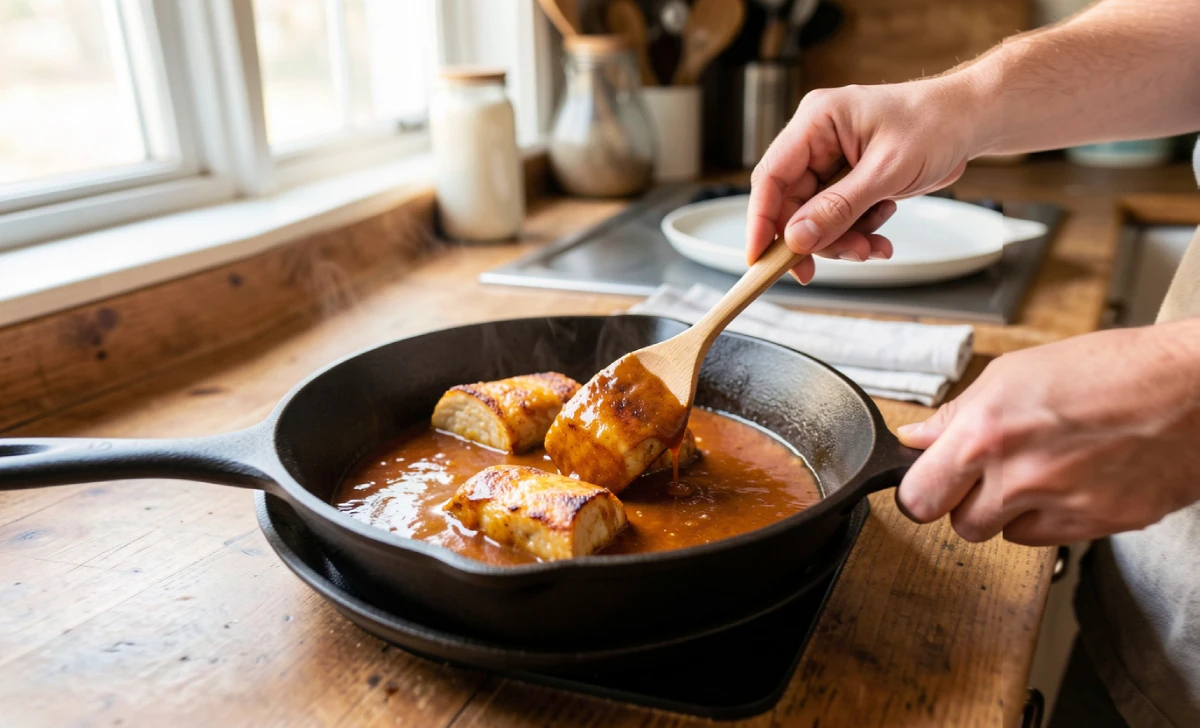
Fojatosgarto is not hard to cook. It looks more impressive than it actually is, and most of the techniques involved are ones you’ve probably already used in other meals. The real challenge isn’t skill; it’s patience. You need to let things brown properly, trust the process, and stay present at the stove for the active parts.
For a first attempt, plan on about 90 minutes total. Around 30 to 40 of those minutes are hands-off, giving you time to clean up or set the table. The active cooking sits closer to 45 to 50 minutes. Once you’ve made it once, you’ll know exactly what to expect, and the second time will feel significantly easier.
What Fojatosgarto Actually Is
Before we talk about difficulty, let’s get clear on what you’re actually making.
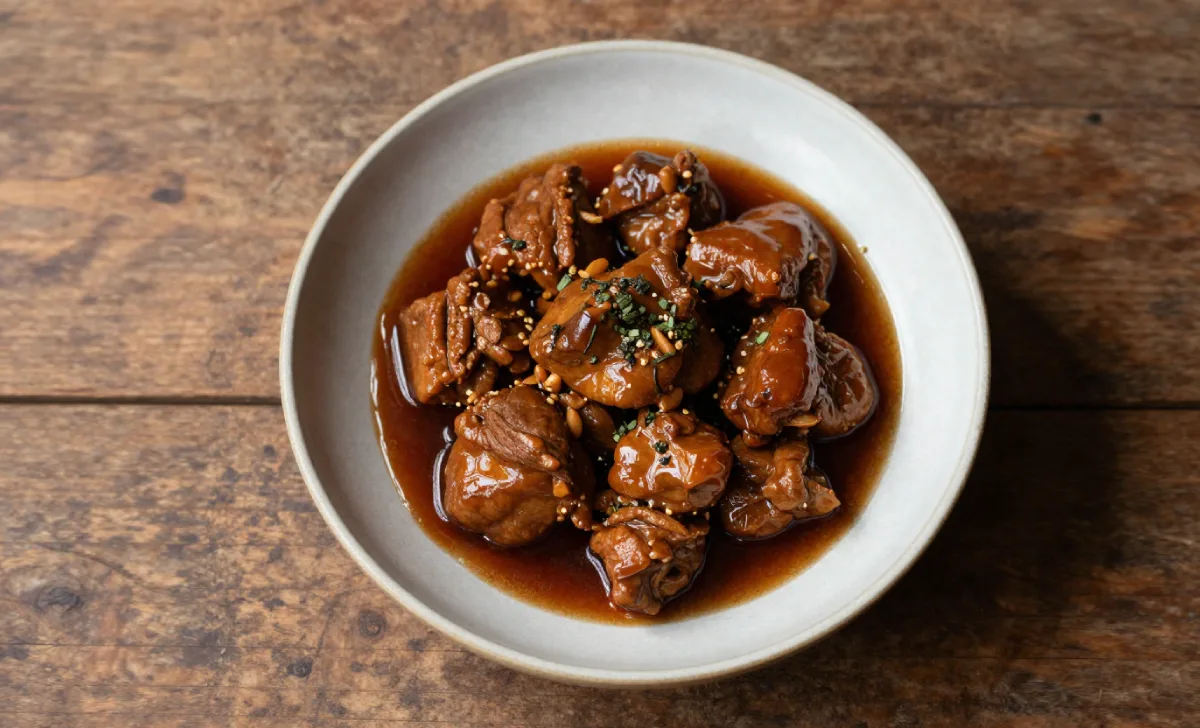
Fojatosgarto is a layered, flavor-forward dish built on a handful of straightforward techniques. At its core, you’re browning a protein or aromatics, building a base, and then letting everything finish together with gentle heat. If you’ve ever made a stir-fry, a slow-cooked stew, or even just seared chicken in a skillet, your hands already know most of what this dish requires.
What makes it feel complicated is that the steps happen in sequence. You’re not dumping everything into a pot and walking away. You’re actively involved for stretches of time, and that involvement is what separates a weeknight shortcut from a proper cook. If you appreciate dishes that reward a little attention, check out this easy one-pan chicken alfredo recipe for a sense of how the same layered approach works in a different context.
The Honest Answer to “Is Fojatosgarto Hard to Cook?”
No. But “not hard” doesn’t mean “requires zero effort.”
In my experience, the difficulty people feel with Fojatosgarto comes from three sources: time pressure, fear of ruining the browning step, and recipes that use precise language in a way that sounds like failure is one second away. None of those are actual skill barriers.
If you can chop an onion, stir a pan without panicking, and resist the urge to rush, you can make this dish. The common Fojatosgarto mistakes people make aren’t about technique. They’re about impatience. More on that in a moment.
How Long Does It Actually Take
This is one of the biggest questions home cooks have, and most recipes gloss over it.
For a first attempt at a Fojatosgarto recipe for beginners, here’s a realistic breakdown:
- Prep (chopping, measuring, organizing): 15 to 20 minutes
- Active cooking (browning, building the base, deglazing): 30 to 35 minutes
- Simmering with minimal involvement: 30 to 40 minutes
- Resting before you serve: 5 to 10 minutes
Total: roughly 80 to 105 minutes, depending on your stove and your pace. That sounds like a lot until you realize nearly half of that is the dish doing its own thing while you clean up, pour a drink, or set the table.
Don’t attempt this when you’re already hungry and impatient. That’s where things go sideways. If you’re someone who likes to meal prep on Sundays so the week feels manageable, this kind of dish fits that rhythm well. A bit like overnight oats, some dishes just taste better when you give them time rather than forcing them.
The Techniques You’ll Actually Use
Here’s what cooking Fojatosgarto actually looks like on a practical level. None of these requires culinary training.
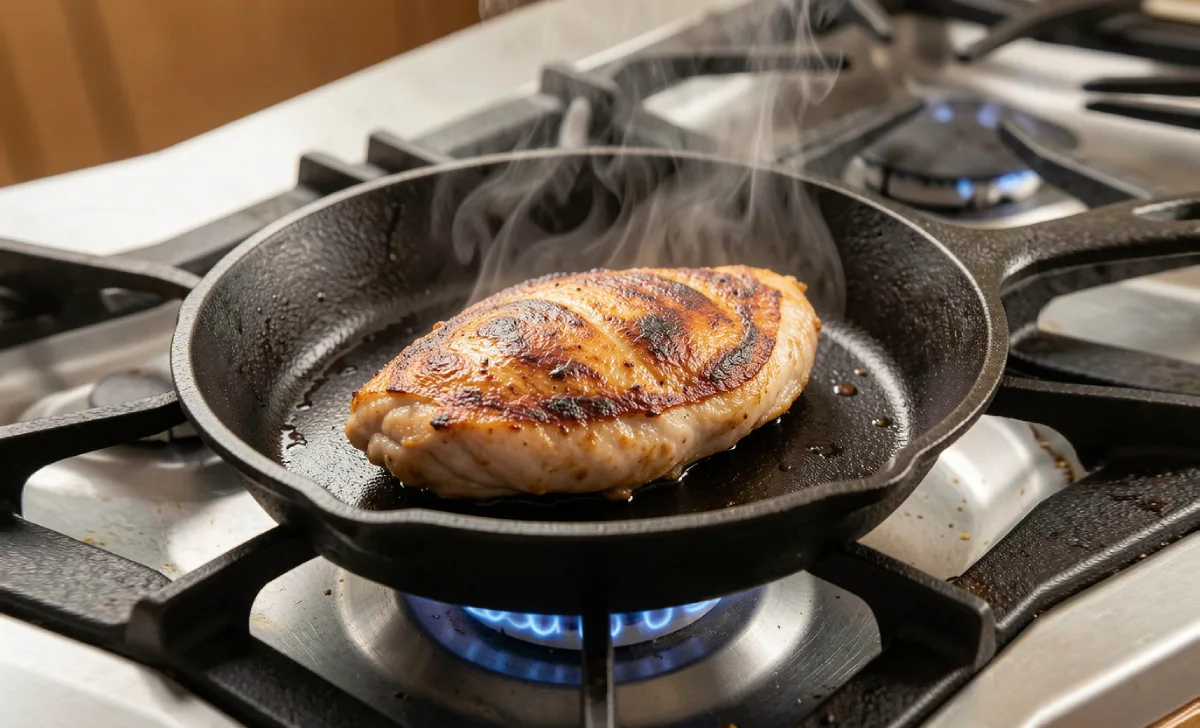
Searing is getting a golden-brown crust on your main ingredient. You want the surface to look deep amber, not pale or grey. If it looks grey and wet, the pan wasn’t hot enough, or you overcrowded it.
Sautéing aromatics means cooking onions, garlic, or similar ingredients in the leftover fat until they soften and smell fragrant. Fragrant garlic smells like it’s perfuming the kitchen, warm and slightly nutty. If it smells sharp and acrid, your heat is too high. Turn it down immediately.
Deglazing is pouring a liquid (broth, water, or a splash of wine) into the hot pan and scraping up the browned bits stuck to the bottom. Those bits are flavor. Don’t skip this step.
Simmering is low, gentle heat. You should see small bubbles occasionally breaking the surface, not a rolling boil. This is where the flavors meld, and the protein finishes cooking through.
What to Watch For While Cooking
Recipes give you timers. Your senses give you accuracy.
When searing, look for color, not the clock. The surface should shift from raw to a deep, even golden brown before you flip it. If you flip too early, it will stick. Once it releases cleanly from the pan, it’s ready.
When cooking aromatics, smell is your best cue. The onions should turn translucent and slightly golden at the edges. The garlic should smell warm and toasty, not sharp. If anything starts to smoke, pull the pan off the heat for 20 seconds.
During the simmer, the sauce should thicken gradually and coat the back of a spoon toward the end. If it looks watery with five minutes left, turn the heat up slightly and let it reduce uncovered.
When Something Goes Wrong
Every cook has had a batch go sideways. Here’s how to rescue the most common problems.
If your protein is sticking to the pan: Don’t force it. Leave it for another 30 to 60 seconds. When the crust forms properly, it releases on its own. Forcing it tears the crust and leaves flavor in the pan.
If your sauce looks greasy: Tilt the pan slightly and use a spoon to skim the excess fat off the surface. Then stir well. A properly emulsified sauce should look glossy, not oily.
If the flavors taste flat, add a small pinch of salt and stir. Wait two minutes and taste again. If it still lacks depth, a small squeeze of acid (lemon juice or a splash of vinegar) often brings it together. Flat usually means it needs brightness, not more spice.
If the sauce is too thin, remove the lid and raise the heat to medium. Let it simmer uncovered for five to eight minutes to reduce. If it’s too thick, add warm water or broth a tablespoon at a time and stir.
What to Serve With Fojatosgarto
This dish is hearty enough to stand on its own, but a simple side rounds the meal out nicely.
Crusty bread works well if you want something to soak up the sauce. A simple green salad with a light dressing balances the richness. Roasted vegetables or steamed rice are practical options if you want the meal to stretch further or feed more people.
If you’re entertaining and want to finish the table on a high note, something bright and simple works best as a dessert follow-up. A fruit-forward option like these strawberries would fit the occasion without feeling heavy after a rich main.
The dish plates well in a wide, shallow bowl or a deep dinner plate. Serve it straight from the pan to keep it warm at the table.
Easy Fojatosgarto Tips Before You Start
These easy Fojatosgarto tips apply to your first attempt and every one after it.
- Prep everything before you turn on the heat. Have your ingredients chopped, measured, and within arm’s reach. When the pan is hot and timing matters, you don’t want to be searching for a lid.
- Use a heavy-bottomed pan or Dutch oven if you have one. Thin pans create hot spots that burn some areas while undercooking others. The right equipment makes a noticeable difference.
- Cook in batches if needed. Overcrowding the pan causes steaming instead of browning. It adds ten minutes but protects the flavor.
- Taste as you go. Adjust salt, acid, and heat level throughout the process rather than at the very end.
- Let it rest. Five to ten minutes off the heat before serving lets everything settle, and the sauce thickens slightly.
The Bottom Line
Is Fojatosgarto hard to cook? No. It requires attention, a bit of patience, and respect for the browning step. That’s it.
The first time will feel busy. The second time will feel normal. By the third time, you’ll be making adjustments based on your own preferences rather than following the recipe line by line. That’s the point where cooking stops feeling like a task and starts feeling like something you actually enjoy.
Give it a proper attempt. Set aside the time, prep everything first, and stay off your phone while the pan is hot.
Frequently Asked Questions
What exactly is Fojatosgarto?
It’s a layered, slow-built dish centered on browning a main ingredient, cooking aromatics, and finishing everything in a sauce or braising liquid. The techniques are basic, but the result has real depth of flavor.
How long does Fojatosgarto take to cook?
For a first attempt, plan 90 minutes. About 45 to 50 of those are active cooking. The rest is hands-off simmering and prep.
What equipment do I need?
A heavy-bottomed skillet or Dutch oven, a wooden spoon or spatula, a sharp knife, and a cutting board. No special tools required.
Can I substitute ingredients?
Yes. Once you understand the structure of the dish, protein and vegetable swaps are straightforward. Just adjust your Fojatosgarto cooking time based on the size and density of what you’re using. Smaller cuts cook faster; thicker ones need more time.
Is this good for meal prep?
It holds well in the refrigerator and often tastes better the next day after the flavors have developed further. Store it in an airtight container and reheat gently over low heat with a splash of broth or water.
Disclaimer: Cooking times and results may vary based on your stove type, pan material, ingredient size, and altitude. Use the visual and sensory cues in this guide alongside any recipe you follow for the best results.