




Have you ever landed on a Hindi news site, read a story, and moved on without a second thought? Most readers do. But behind every article on a site like AajKiTajikhabar.com, someone is paying for servers, writers, and the daily effort of keeping content fresh.
The AajKiTajikhabar.com business model is not complicated, but it is often misunderstood. People assume these sites run on ads alone. In reality, most small and mid-size Hindi news sites survive on a careful mix of income streams, built up over months or years of consistent publishing.
This article breaks down exactly how that works, including what has changed in the Indian digital news market, what challenges most sites never admit to, and what keeps the ones that last alive.
What the AajKiTajikhabar.com Business Model Looks Like
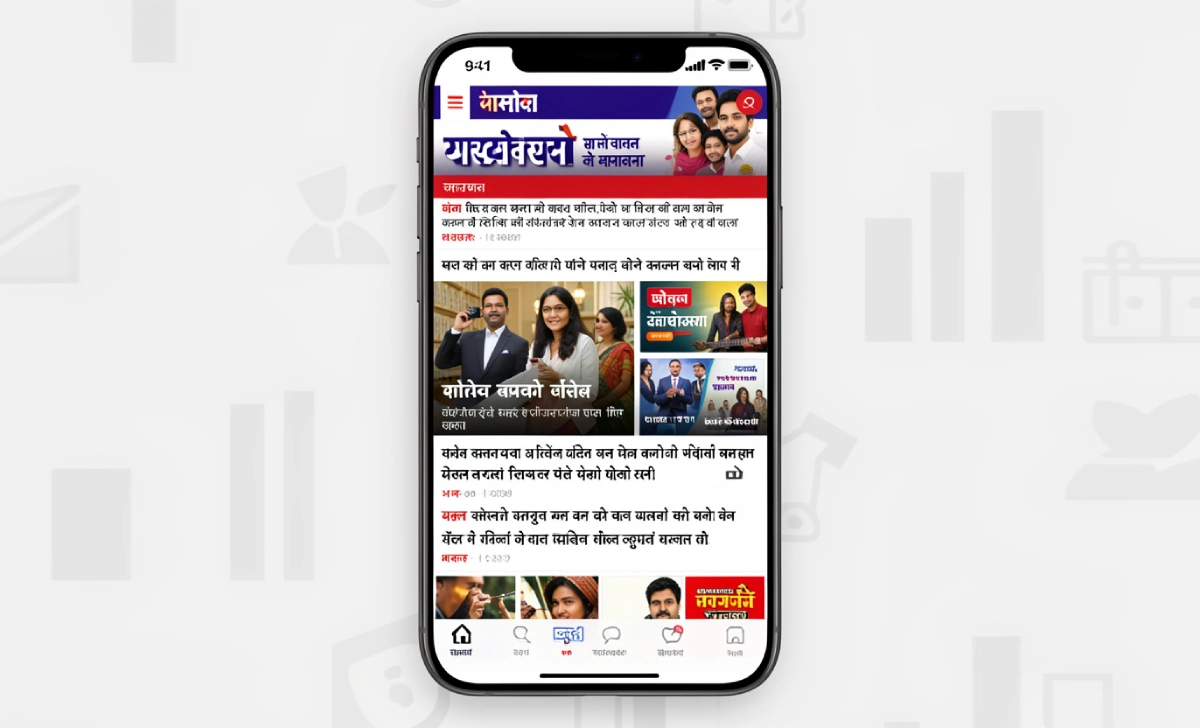
The core of any Hindi news site business is straightforward. Publish stories readers want right now, and build an audience that comes back daily. Once that audience is consistent, there are several ways to earn from it.
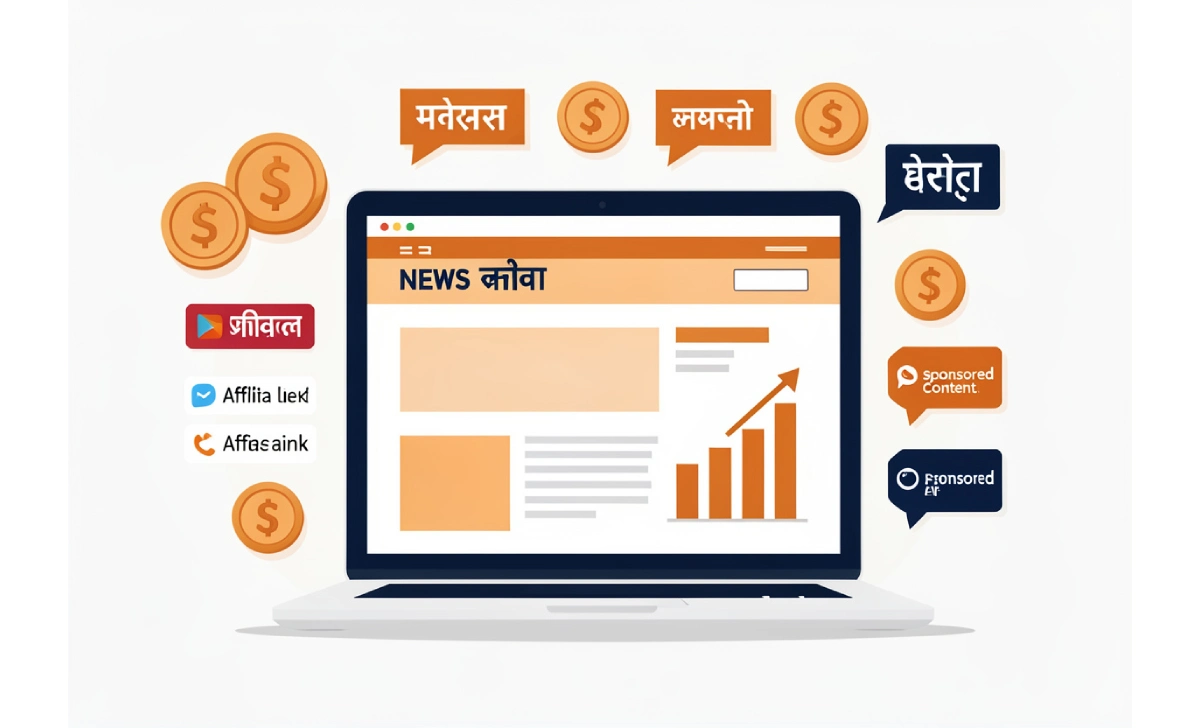
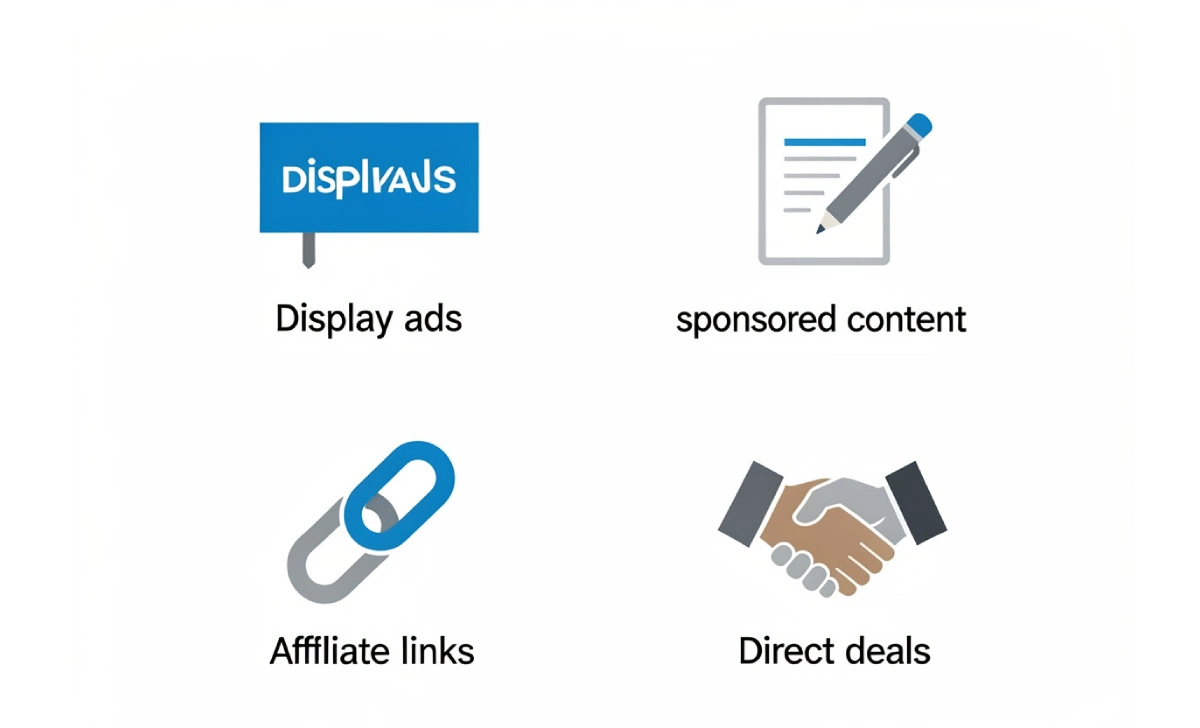
Display ads are still the biggest income source for most sites, covering anywhere from 50 to 70 percent of monthly revenue. Sponsored content, affiliate links, and direct brand deals fill the rest. No single stream pays the bills alone. The sites that last are the ones that diversify early and stay consistent with content quality.
In the Indian market, two things stand out. First, Hindi readers expect news to be free, which makes subscriptions difficult. Second, ad rates for regional language content have historically been lower than for English content, though that gap has been narrowing through 2024 and 2025.
Display Ads: The Foundation of News Site Revenue
If you have visited any Hindi news site recently, you have already seen display ads. Banners at the top, boxes inside the article, rectangles along the sidebar. These are served through ad networks like Google AdSense, Media.net, or Indian platforms like AdPushup.
Every time a page loads, an automated auction happens in milliseconds. Advertisers bid for the right to show you something based on your location, browsing history, and interests. The site earns money in two ways:
- CPM (Cost Per Mille): The site earns for every 1,000 people who see the ad.
- CPC (Cost Per Click): The site earns only when a reader actually clicks the ad.
Here is the honest reality. Display ads alone will not pay a team unless the site is pulling serious daily traffic. A site getting 50,000 pageviews a day earns very differently from one getting 500,000. For smaller Hindi news sites, display ads usually cover hosting costs. The real profit comes from other streams.
Programmatic Advertising: The Automated Layer
Programmatic advertising is the system that powers those display ads. Instead of a salesperson negotiating a deal with a brand, the site connects to an ad exchange that matches its audience with advertisers automatically, around the clock.
This matters for Hindi news site revenue models because programmatic buying has become much smarter about regional Indian audiences. Advertisers targeting readers in Tier-2 and Tier-3 cities now pay more for that access than they did five years ago. That is a real shift in how online news monetization works in India.
The downside is ad-blockers. As more mobile users install them or use browsers with built-in filtering, sites lose impressions they would otherwise earn. Publishers who ignore this trend quietly lose 10 to 20 percent of potential revenue. This is one of the challenges the AajKiTajikhabar.com business, like all Hindi news businesses, has to manage.
Sponsored Content: Where Real Profit Comes In
Sponsored content, sometimes called native advertising, pays significantly better than banner ads. A brand pays the site to write an article in its natural editorial style. Think ‘Best Government Schemes for Farmers in 2026’ written with a financial services partner, or ‘How to Prepare for Board Exams’ sponsored by an online coaching platform.
Lifestyle and digital trend topics work especially well for this format. When readers are already interested in what is trending online, brands find it easier to reach them through editorial content rather than a banner. You can see how this plays out in coverage of topics like
lifestyle and digital trend topics work especially well for this format. When readers are already interested in what is trending online, brands find it easier to reach them through editorial content rather than a banner. You can see how this plays out in coverage of topics like Bougiebunna, where brands partner with publishers to tap into an engaged, curious audience.
The key is disclosure. Readers need to know when content is paid for. Sites that skip that honesty might earn more short-term, but they lose reader trust faster than they lose ad revenue. Trust is the one thing a Hindi news site business cannot buy back once it is gone.
Affiliate Links: Steady Income from Useful Content
Affiliate marketing works differently from display ads. Instead of a brand paying upfront, the site earns a commission only when a reader clicks a link and completes an action, usually a purchase or a sign-up.
In the Hindi news context, this shows up most often in lifestyle, tech, and finance sections. An article comparing smartphones under 20,000 rupees will include links to Amazon or Flipkart. Finance and investment content performs especially well here.
Finance and investment content performs especially well here. Platforms that explain crypto and online finance tools, such as Finance Cryptopronetworkcom, attract readers who are actively looking to take action, which means higher click-through and conversion rates for affiliate publishers.
The income per article is modest. But articles that rank well in search keep earning for months or years without extra effort. For a site trying to build sustainable news site revenue, affiliate content on evergreen topics is a smart, low-maintenance addition to the mix.
Direct Brand Deals: High Effort, Higher Returns
Some sites skip ad networks for certain campaigns and sell space directly to local brands or regional businesses. A real-estate developer in Jaipur, a coaching institute in Patna, or a regional e-commerce brand may prefer a fixed monthly deal over the uncertainty of programmatic rates.
Direct deals give the brand guaranteed placement and give the site higher margins with no middleman taking a cut. But this approach requires real sales effort, personal relationships, and enough traffic to make the proposal credible.
For most small Hindi news sites, direct deals become realistic only after 12 to 18 months of consistent publishing, when traffic and domain authority are strong enough to attract serious conversations with brands.
What Hindi Readers Expect and Why It Complicates Things
The AajKiTajikhabar.com business, like most Hindi news businesses, operates inside a specific cultural reality. Indian readers expect news to be free. The resistance to paid content is strong in regional language markets. Asking a WhatsApp-first audience to pay for a subscription is a difficult sell.
A few larger outlets have tried digital paywalls, mostly soft ones where some content is free and premium stories require payment. For a mid-size Hindi news site, a hard paywall is still a risk most publishers will not take until their brand is established enough to justify it.
Social sharing, especially through WhatsApp, remains one of the biggest traffic drivers for how news websites earn money in India. Creators and commentators who build a loyal following online, much like Brian Chavez, show how consistent personal engagement drives far more reach than paid promotion alone. A well-written local story can spread through entire district networks overnight when readers feel connected to the voice behind it.
Real Challenges in Online News Monetization Today
The online news monetization landscape in India is getting more crowded every year. New sites launch constantly, often copying each other’s headlines and format. That makes it harder for any one site to stand out and build a loyal daily audience that actually converts to income.
A few specific challenges come up repeatedly across the Hindi news business:
- Ad rates for Hindi content, while improving, are still lower than English content on average.
- Content overload means readers bounce quickly if a site loads slowly or pushes too many ads.
- Google algorithm updates regularly shake up traffic for sites that rely on search without investing in original reporting.
- Ad-blocker adoption is growing among mobile users, quietly cutting into programmatic revenue.
Sites that adapt tend to focus on a narrower geographic beat, covering one state or district in detail rather than competing nationally. That specificity builds a reader habit that no algorithm change can easily disrupt.
Frequently Asked Questions
What are the main ways a news site like AajKiTajikhabar.com generates income?
Most sites earn through display ads, programmatic advertising, sponsored content, and affiliate links. Larger sites also pursue direct brand deals. The exact mix depends on traffic volume and the editorial team’s capacity.
How do ads work on Hindi news websites, and are they still effective?
Ads are served through networks that run real-time auctions based on reader data. They are still effective at scale, but ad-blockers and lower rates for smaller sites have made them less reliable as a sole income source. Most successful sites combine ads with at least one other revenue stream.
Is it possible for small news sites to shift to paid subscriptions?
Yes, but it requires a well-established audience that trusts the site’s reporting. Most Hindi news readers resist paying for content they can find free elsewhere. A soft paywall, where some premium content requires payment, is a more realistic starting point than a hard paywall.
What challenges do news sites face in making money online today?
The biggest challenges are ad-blocker usage, lower ad rates for regional language content, intense competition from other free news sources, content overload that drives bounce rates up, and the difficulty of building reader loyalty in a market where switching between sites takes one tap.
Disclaimer: Revenue figures and platform details in this article reflect general industry patterns as of 2026. Individual site earnings vary significantly based on traffic, niche, and monetization strategy. This article is for informational purposes only.