





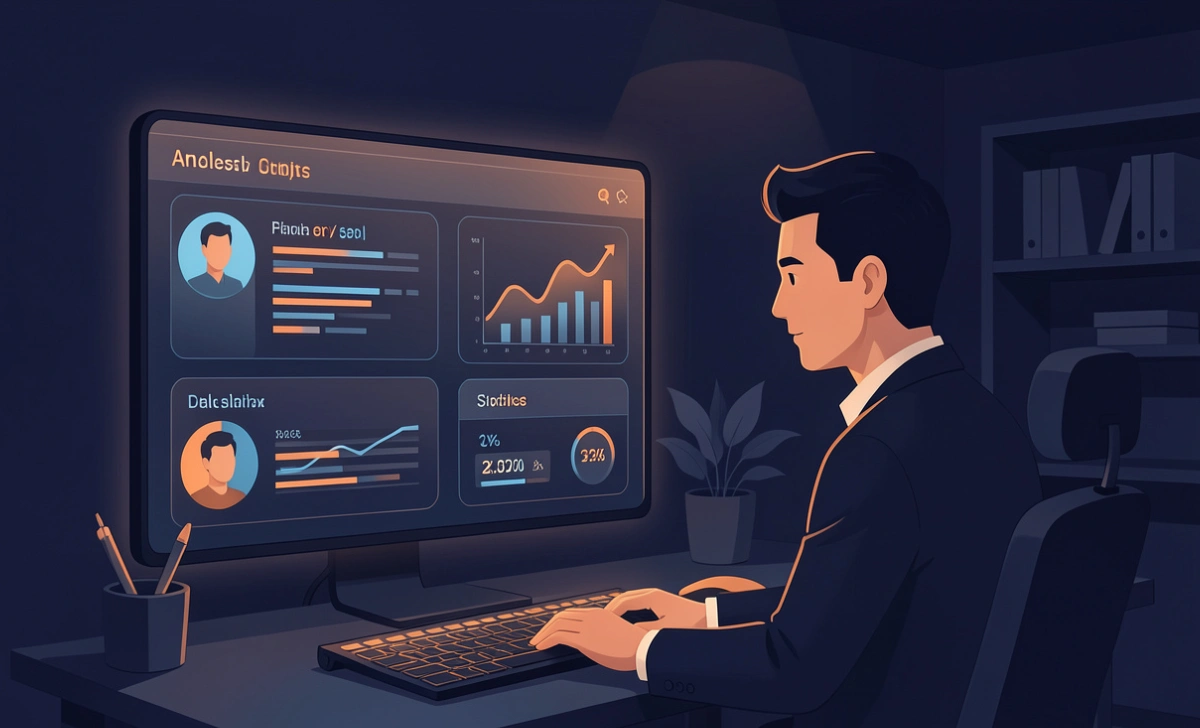
Customer insights are data-driven understandings of why your customers behave the way they do. They go beyond raw numbers to reveal motivations, preferences, and patterns. Companies that collect and act on customer insights make better product decisions, run more relevant marketing campaigns, and keep more customers over time.
What Customer Insights Actually Mean
Most businesses collect data. Fewer understand what it is telling them.
Customer insights are interpretations drawn from customer data that explain why people think, feel, and act the way they do. They are not the raw numbers themselves. A 2.3% conversion rate is data. Knowing that customers abandon checkout because your form requires account creation is a customer insight.
That distinction matters. Data tells you what happened. Customer insights tell you why, and that is where decisions get made.
Customer insights also differ from market research. Market research maps out broad audience characteristics, demand levels, and competitive landscapes. Customer insights zoom in on your actual buyers. They focus on specific behaviors, motivations, and patterns tied directly to your product or service.
The table below shows how the two compare:
|
Market Research |
Customer Insights |
|
| Focus | Broad market and audience | Your actual buyers |
| Primary question | What and who | Why and how |
| Data type | Mostly quantitative | Quantitative + qualitative |
| Output | Market sizing, audience profiles | Behavioural patterns, motivations |
| Used for | Entry decisions, positioning | Product, marketing, retention |
The Four Types of Customer Insights
Not all insights come from the same place or tell the same story. There are four main types, and each answers a different question.
Behavioral and Attitudinal Insights
Behavioral insights track what customers actually do, including which pages they visit, what they buy, how often they return, and where they stop. This data is often the most reliable because actions are harder to fabricate than opinions.
Attitudinal insights capture what customers think and feel. These come from surveys, reviews, and interviews. They reveal satisfaction levels, brand perception, and the reasoning behind purchase decisions. Behavioral data shows what. Attitudinal data explains the why.
Demographic and Predictive Insights
Demographic insights provide context around who your customers are, including age, location, income, or company size for B2B. They support audience segmentation and help teams communicate more relevantly to different groups.
Predictive insights use historical patterns to forecast future behavior. This includes churn risk scores, next-purchase predictions, and lifetime value estimates. AI tools have made predictive insights far more accessible since 2023. Platforms like Salesforce Einstein and Microsoft Dynamics 365 now bring these capabilities to marketing teams without requiring dedicated data science resources.
Where to Collect Customer Insights
You likely already have more data than you are using. The challenge is knowing where to look.
Here are the most reliable sources:
- Surveys and NPS forms. Post-purchase surveys yield direct feedback. Keep them short. Three to five questions typically produce better completion rates than longer forms.
- Customer interviews. Thirty-minute conversations with new, loyal, and churned customers reveal motivations that surveys rarely capture.
- Support tickets and chat logs. Patterns in complaints and repeated questions point directly to product gaps or confusing user experiences.
- Website and behavioural analytics. Tools like Google Analytics, Hotjar, or Contentsquare show where customers click, what holds their attention, and where they exit.
- Social listening. Monitoring brand mentions and reviews reveals unfiltered opinions your team would otherwise miss.
- CRM and purchase history. Your CRM holds patterns around repeat purchases, time between orders, and which customer segments generate the most revenue.
You do not need all of these at once. Start with two or three sources aligned to where your customers already engage most.
How to Turn Insights Into Decisions
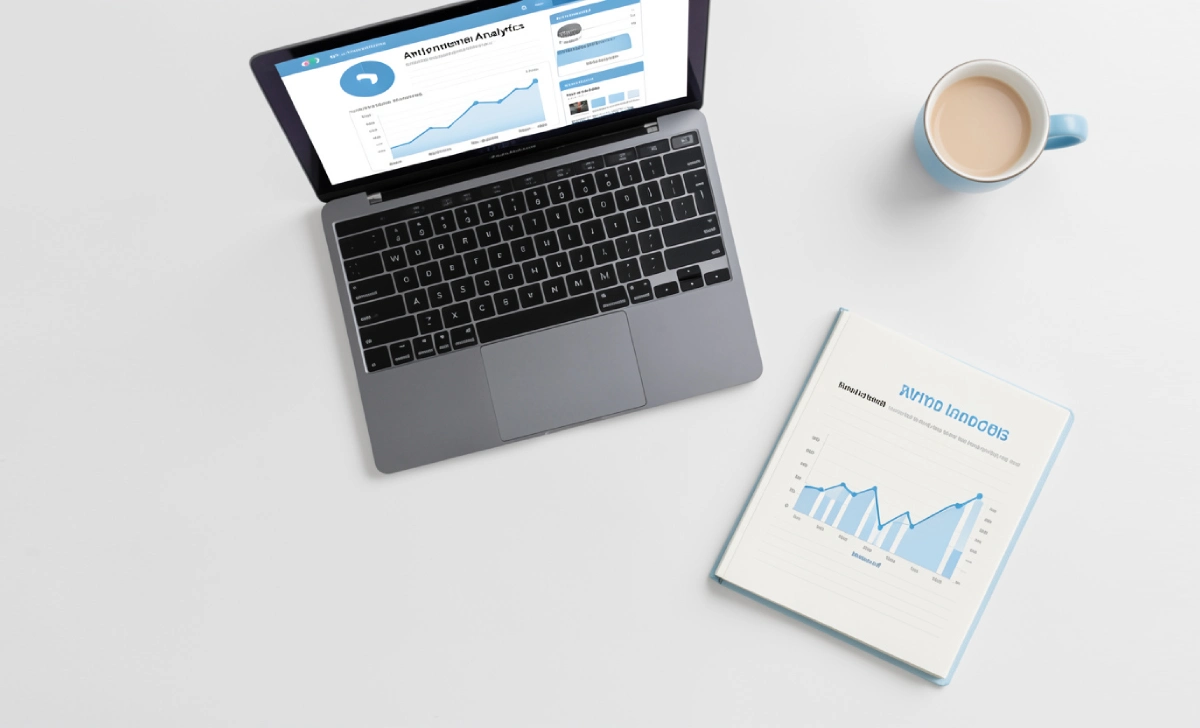
Collecting data is the easier part. Acting on it is where most businesses stall.
Insights go unused for predictable reasons. Data lives in silos across different teams. There is no regular process for reviewing findings. Reports circulate but are not tied to specific decisions.
A practical approach that keeps insights connected to action:
- Choose one specific business question. Not “tell me about our customers” but “why are first-time buyers not returning within 60 days?”
- Pull relevant data from two or three sources.
- Look for patterns that repeat across sources.
- Form a hypothesis based on the pattern.
- Test it with a small change or experiment.
- Measure the result and document what you learned.
This loop keeps insights connected to real decisions. Over time, it also builds a library of learnings your team can reference.
If you are using these insights to guide your content strategy, the same loop applies. The best content marketing decisions come from knowing which topics your customers are already asking about, which formats hold their attention, and where they disengage in their journey with your brand.
How Customer Insights Improve Your Marketing
Customer insights directly improve every stage of the marketing funnel. At the top, they tell you which messages attract the right audience. In the middle, they reveal where buyers hesitate. At the bottom, they show what finally drives someone to convert.
According to the Zendesk Customer Experience Trends Report, 68 percent of customers expect a personalized experience with every interaction. That level of personalization is not possible without a solid foundation of customer data.
Insights also help you stop spending your budget on campaigns that miss the real motivation. If your analytics show customers convert because of trust signals like reviews and guarantees, but your ads push price, there is a clear misalignment. That gap only becomes visible when you connect behavioral data to campaign performance.
Building that connected customer journey is far more reliable when you combine insights with marketing funnel automation. Automation produces stronger results when it is built around real, observed behavior rather than assumed behavior.
AI and Predictive Customer Data
AI has shifted what is practical for most marketing teams when it comes to customer insights.
Until recently, predictive analytics required data science resources that most companies could not justify. That has changed. Customer data platforms and tools like Salesforce Einstein now bring predictive capabilities to marketing and product teams without deep technical expertise.
You can identify customers likely to churn before they leave, surface high-value segments automatically, and receive next-purchase predictions at the individual level. The key is treating AI outputs as inputs to decisions, not as the decisions themselves. A model predicting churn in the next 30 days gives you a window to act. What you do with that window still requires human judgment.
Using predictive AI to strengthen your marketing strategy takes this further. It combines customer insight data with forward-looking models to anticipate demand shifts and reallocate spend before performance drops.
Common Mistakes That Undermine Good Data
Even teams with strong data make consistent errors.
- Relying on averages. An average satisfaction score of 7.8 out of 10 can hide the fact that 20 percent of your customers rated you a 4 or lower. Segment your data before drawing conclusions.
- Ignoring qualitative data. Behavioral data tells you what customers do. It rarely tells you why. Skipping interviews and open-ended survey responses removes half the picture.
- Treating insights as a one-time project. A single survey run once a year is not a customer insights program. Collection needs to be ongoing to stay useful as your market changes.
- Letting reports sit unread. Insights only create value when they inform a decision. If your monthly feedback report is read by one person and filed away, the process is not working.
- Confirmation bias. It is easy to find data that supports what you already believe. Good insight work means actively looking for evidence that challenges your assumptions.
Building a Customer Insights Program
A formal program does not need to be complex. It needs to be consistent.
Start by defining the questions your business needs answered over the next 12 months. Assign clear ownership of insight collection and review to specific roles. Set a regular cadence, whether weekly or monthly, for reviewing findings and connecting them to upcoming decisions.
Track what you test and what you learn. Over time, this becomes a real competitive advantage. Businesses that understand their customers better than competitors move faster, spend smarter, and build products people actually want.
The gap between companies that use data well and those that rarely come down to tools. It comes down to whether insights are treated as an ongoing discipline or a quarterly checkbox.