





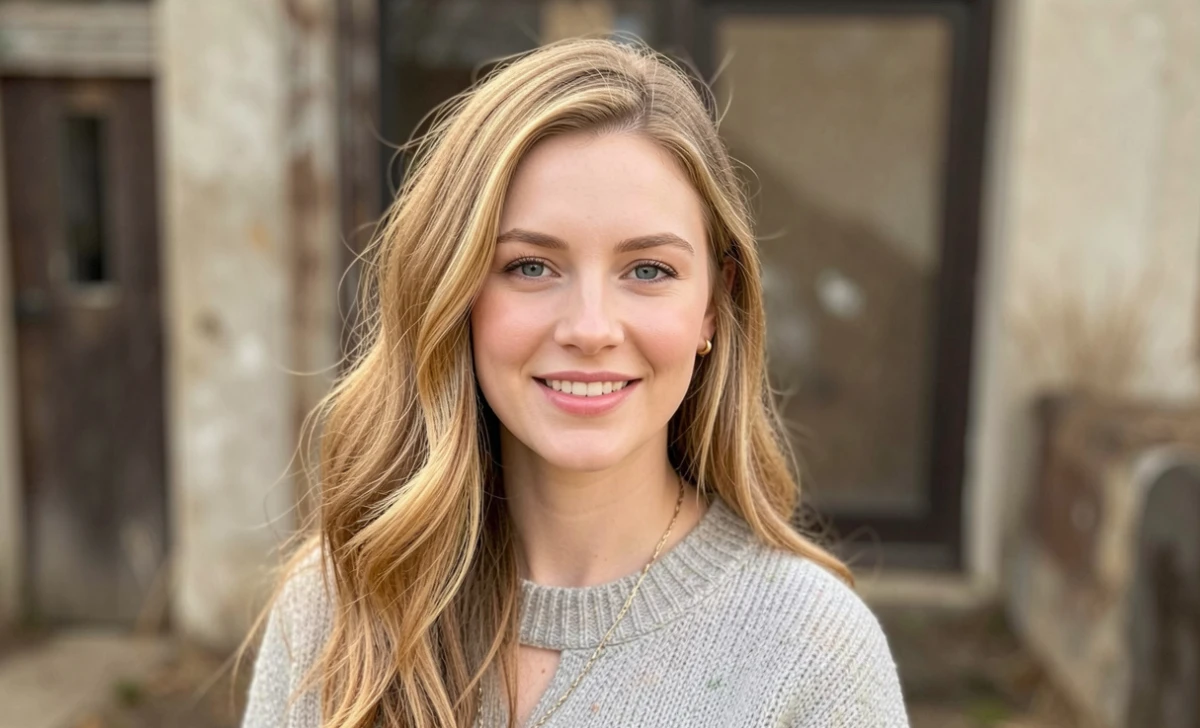
On August 13, 2018, a domestic incident in Painesville, Ohio, ended in the death of Kayleigh Hustosky, 29. Her husband, Dylan Hustosky, a Gates Mills police officer, called 911 after she shot him twice in the left arm through a door. He escaped the home, and a hours-long standoff followed. Lake County SWAT eventually entered using a robot and drones and found Kayleigh upstairs with a single gunshot wound. The Cuyahoga County Medical Examiner’s Office ruled the death consistent with suicide.
No credible reports since 2018 have changed that finding. Despite dramatic speculation circulating on low-quality websites in recent years, no official update has reversed the medical examiner’s conclusion. This article walks through the verified timeline, the forensic process, and what this case tells us about domestic violence response and mental health.
What Happened on August 13, 2018
Around 4:15 p.m. on a Tuesday, Dylan Hustosky, then 27, called 911 from outside his Painesville home. He told dispatchers his wife, Kayleigh, had shot him through a door. She had hit him twice on the left arm. He made it out of the house, and officers arrived quickly.
Kayleigh didn’t come to the door. She didn’t respond to police calls or communication attempts. What started as a domestic call became a standoff. The couple had been married about two and a half years, lived in Painesville for two, and had a young son together.
That last detail matters. It tends to get lost in the way these cases get reported, but it shapes everything about the aftermath.
The Standoff and How It Ended
For hours, police tried to make peaceful contact with Kayleigh. They talked. They waited. Lake County SWAT joined the response. Before anyone entered the home, they sent in a robot and used drones to check the interior. That decision was about keeping people safe.
At approximately 7:42 p.m., they found Kayleigh upstairs in a bedroom. She had a single gunshot wound. She was pronounced dead at the scene.
One detail investigators noted early: the gun was not Dylan’s service weapon. That matters in the context of the investigation. It helps rule out certain scenarios and confirms the firearm involved came from elsewhere in the home. Cases involving law enforcement families, like the story of Royce Renee Woods, show how quickly these details become central to understanding what actually happened.
What the Kayleigh Hustosky Autopsy Found
The Cuyahoga County Medical Examiner’s Office conducted the autopsy. Preliminary results described the wound as consistent with a self-inflicted gunshot. There were no findings from police, SWAT, or the medical examiner pointing to another cause.
In cases like this, forensic findings don’t get announced with fanfare. They come back through careful documentation: wound entry point, trajectory, gunshot residue patterns, and the position of the body and firearm. All of it gets measured, photographed, and reviewed. Here, those findings supported suicide.
The Kayleigh Hustosky cause of death was ruled consistent with suicide, and that determination has not been challenged or updated by any credible official source since 2018.
Why Online Speculation Contradicts the Record
In 2024 and 2025, a handful of blog-style posts began circulating with dramatic claims about this case. Some referenced fabricated toxicology results involving fentanyl, carfentanil, and benzodiazepines. Others invented forensic terms like “microtraumas” on her hands and wrists, or described injuries that appeared nowhere in actual police or medical examiner records.
These posts share no sources. They don’t cite Painesville police statements, Lake County SWAT reports, or any document from the Cuyahoga County Medical Examiner’s Office. They read like dramatic retellings, not verified accounts. This pattern is familiar in cases where a woman’s death draws public attention, including situations like Sherry Aon’s, where online speculation quickly outpaced what the official record actually said.
If you came here after reading one of those pieces, here’s what you need to know: the official record from 2018 has stayed consistent. The Kayleigh Hustosky suicide ruling stands as the medical examiner’s finding. No credible investigation has produced an alternative conclusion.
What Dylan Hustosky’s Injuries Tell Us
Dylan was shot twice in the left arm before he escaped the home. He was treated for those injuries, which required medical attention and reportedly surgery. He survived.
The fact that he called 911 himself, got out of the house, and cooperated with law enforcement is part of the documented record. The Gates Mills Police Department, where he served as an officer, was aware of the incident. His cooperation with investigators was immediate.
The gun used in the shooting, again, was not his service weapon. That’s a detail that comes up in the original news coverage from Cleveland.com, News 5 Cleveland, WKYC, and Fox 8, all of which reported consistently on the incident in August 2018.
What This Case Reflects About Domestic Violence Response
Domestic calls are among the most unpredictable situations first responders face. In this case, the responding officers had to balance the safety of a wounded man, the possibility of reaching someone in crisis, and their own exposure. The decision to use a robot and drones before entry was deliberate.
That kind of response reflects lessons learned over years of similar incidents. Sending people into an active standoff blind is dangerous. Technology now gives law enforcement a way to assess a scene before anyone steps inside.
For first responders who were there that day, moments like this stay. The psychological weight of domestic calls doesn’t leave when the shift ends. Stories like that of Johnny Mathis’s wife are a reminder that private pain and public tragedy often live closer together than people expect, and that the people responding to those calls carry their own burden long after.
What to Do If You Recognize These Warning Signs
Cases like this one often leave people asking whether anything could have changed the outcome. That’s a hard question, and it doesn’t have a clean answer. What we do know is that early intervention matters.
If something feels off in a relationship, whether yours or someone close to you, there are real options available today:
- Call the National Domestic Violence Hotline at 1-800-799-7233
- Text START to 88788
- Reach out to a counselor, trusted friend, or family member before a situation escalates
- If someone seems to be in crisis, contact local mental health emergency services directly
These resources aren’t just for physical abuse. They cover fear, emotional distress, and situations that feel like they’re building toward something dangerous. You don’t need to wait for a crisis to use them.
The Lasting Weight of This Case
The Kayleigh Hustosky death is not a mystery waiting to be solved. The official record from Painesville police, Lake County SWAT, and the Cuyahoga County Medical Examiner’s Office is consistent and has not changed.
What lingers isn’t a forensic puzzle. It’s the human reality: a young woman, a wounded husband, a child who grew up without his mother. That’s the part of this story that gets buried under speculation and dramatic headlines.
Following cases like this one for years, what stays with you isn’t the procedural detail. It’s the awareness that ordinary homes can hold extraordinary pain, and that the people left behind carry questions that no official report can fully answer.
FAQs About the Kayleigh Hustosky Death
What really caused Kayleigh Hustosky’s death?
Kayleigh died from a single gunshot wound. The Cuyahoga County Medical Examiner’s preliminary autopsy findings described it as consistent with a self-inflicted wound. That conclusion has not been reversed.
Was Kayleigh Hustosky’s death ruled a suicide?
Yes. The medical examiner’s findings were consistent with suicide. The ruling stood through official reporting and has not been updated or overturned by any credible authority.
Did drugs or anything else play a role in the incident?
No official toxicology results in the 2018 report mentioned drug involvement. Claims about fentanyl or other substances appear only in unverified, source-free posts that emerged years later. Those claims do not align with the original police or medical examiner statements.
What happened to Dylan Hustosky after he was shot?
Dylan was treated for two gunshot wounds to his left arm and required medical care. He survived. He had called 911 himself and cooperated with law enforcement from the start.
Disclaimer: This article is based on contemporaneous news reporting from August 2018, including coverage by Cleveland.com, News 5 Cleveland, WKYC, and Fox 8, as well as publicly available statements from Painesville police and the Cuyahoga County Medical Examiner’s Office. It does not reflect new investigative findings and should not be treated as legal or medical documentation.