





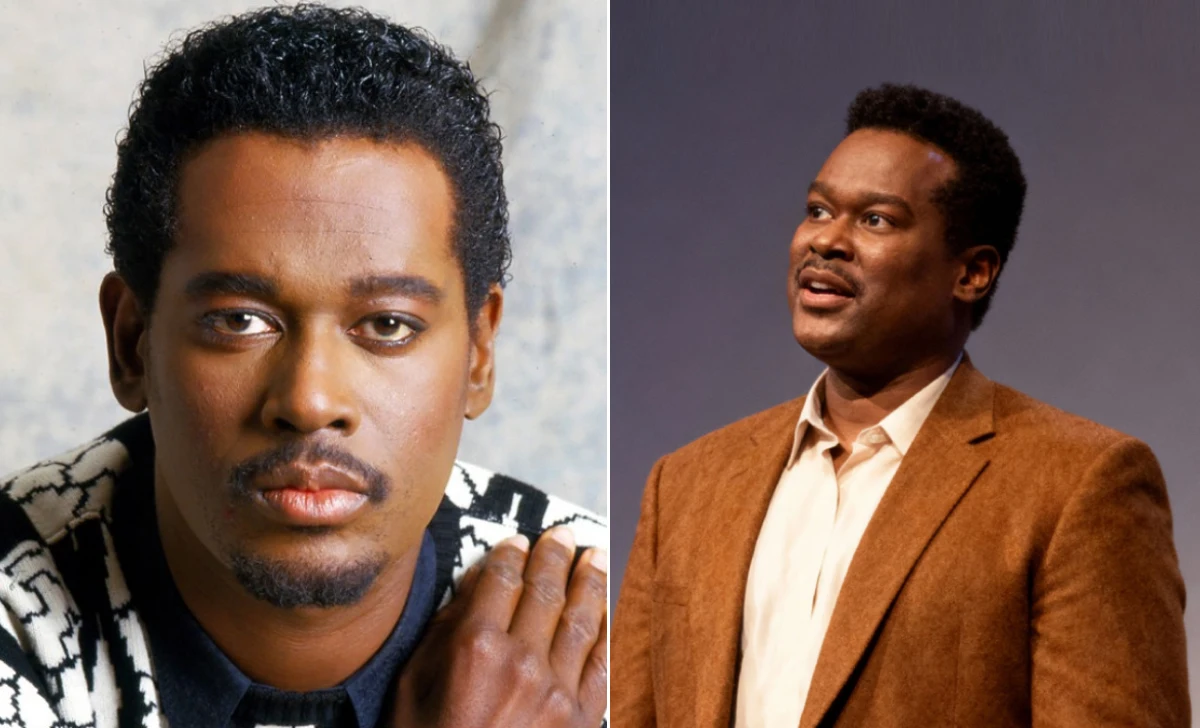
Charles Anthony Vandross was the oldest sibling of legendary R&B singer Luther Vandross. Born on February 7, 1947, in Manhattan, New York, Charles grew up in the same music-filled household that shaped one of soul music’s most recognized voices. He lived a private life away from the entertainment world and passed away on April 30, 1991, at age 44, from complications linked to diabetes.
While Luther Vandross earned Grammys and sold out arenas, Charles stayed out of the spotlight entirely. He was the quiet older brother in a close-knit working-class family that faced recurring health battles across generations. His story won’t appear in Billboard charts or entertainment headlines, but it runs through the emotional core of everything Luther ever created—and that makes it worth knowing.
Charles Anthony Vandross: Early Life and Family Roots
Charles Anthony Vandross came into the world on February 7, 1947, in Manhattan, New York. He was the firstborn child of Luther Vandross Sr. and Mary Ida Vandross—a couple who built a home where music played as naturally as conversation.
Their father worked as an upholsterer and loved to sing. Their mother was a nurse who shared that same appreciation for melody. The family lived in the Alfred E. Smith Houses on the Lower East Side before eventually moving to the Bronx. It was working-class life, steady and structured, but music ran through every corner of it. Gospel on Sunday mornings. Soul records on weekday evenings. The kind of home where a child could absorb an entire musical education just by paying attention.
Luther, the youngest child, was born in 1951. That four-year gap made Charles his big brother through everything—through the early years in public housing, through the shifting New York of the 1950s and 60s, and through the loss of their father to diabetes when Luther was only seven years old. Luther Vandross Sr. died young, and that absence shaped all four Vandross children in ways that never fully left them.
Stories about quiet family members behind famous artists tend to get overlooked. Just like Brody Tate, who exists largely in the background of a well-known name, Charles Anthony Vandross was someone whose significance only becomes clear when you stop focusing solely on the famous sibling.
Luther Vandross Siblings: Growing Up in the Vandross Home
The four Vandross children—Charles, Patricia, Ann, and Luther—grew up sharing more than a home. They shared a particular kind of bond that comes from navigating a difficult city in tight circumstances while holding onto the things that mattered.
Music was the thread connecting all of them. Luther taught himself to play piano by ear as a toddler. His sisters sang. Charles was present through all of it—the older brother watching younger siblings discover what they could do. That quiet witness role matters more than it gets credit for.
What’s striking about the Vandross family is how deeply they valued privacy. Most families tied to famous names tend to get pulled into the public record whether they want to be or not. The Vandrosses resisted that. Charles, in particular, chose a life completely removed from entertainment circles. You won’t find his name in liner notes or backstage lists. That was deliberate—and it says something real about who he was.
Some siblings of well-known people manage to carve their own paths while staying largely private. Tyna Karageorge represents that same type of figure—someone connected to a public name but defined by choices that had nothing to do with fame. Charles fits that same description exactly.
Charles Anthony Vandross: A Life Out of the Spotlight
Unlike Luther, Charles didn’t spend his adult years chasing stages or studio sessions. Details about his professional life are limited, which is partly by design. The Vandross family kept their personal affairs close. From what’s documented, Charles lived as a working man in New York—someone managing the everyday demands of city life in mid-20th century America.
That choice to stay private wasn’t a failure of ambition. For older siblings in working-class families, the responsibility often falls on staying grounded—holding things together while younger siblings chase possibilities. Charles filled that role.
He lived through the full arc of Luther’s early rise. When Luther began writing jingles and singing backing vocals in the 1970s, Charles was still living the life of a private New Yorker. When Luther broke through in 1981 with “Never Too Much,” Charles wasn’t in the press photos or the victory celebrations captured on camera. He was simply part of the family—and for the Vandrosses, that was enough.
Charles Anthony Vandross Death and the Vandross Family Diabetes Story
Charles Anthony Vandross died on April 30, 1991. He was 44 years old. The cause was complications from diabetes—the same condition that had taken their father decades earlier.
This is the part of the Vandross family history that rarely gets told with the weight it deserves. Diabetes didn’t just take Charles. It ran through the family like an undercurrent no one could fully stop. Their father died of diabetes-related causes when Luther was a child. Charles died from it at 44. Their sister Patricia also faced diabetes. Their sister Ann struggled with asthma. And Luther himself lived with diabetes throughout much of his adult life—it contributed directly to the stroke he suffered in 2005, which ultimately led to his death that same year.
When you look at that pattern across one family, it stops feeling like a coincidence and starts feeling like a weight they all carried. The health struggles weren’t isolated events. They were recurring losses—each one arriving before the family had finished grieving the last.
Luther poured that kind of grief into his music. Songs like “Dance with My Father” don’t just reference loss in general terms. They come from a man who watched his father go too early and then watched siblings follow. Charles’s death in 1991 happened during one of Luther’s most commercially successful periods. That tension—public triumph and private mourning happening simultaneously—is rarely discussed in reviews of his work, but it’s there if you listen for it.
The Bond Between Brothers
You don’t need documented stories or recorded interviews to understand what Charles meant to Luther. The shape of it is clear from context. Charles was four years older, which means he was old enough to remember their father more clearly. He carried that memory while Luther was still forming his earliest ones.
Growing up in the Bronx in the 1960s, the two brothers occupied very different roles. Luther was the one developing a gift that would eventually reach the world. Charles was the one already living fully in real life—working, moving through adulthood, establishing his own existence separate from what his younger brother would become.
What Luther said about family in interviews over the years always pointed back to the same foundation. He credited the home environment—the records, the singing, the togetherness—not any single individual moment. Charles was part of that environment. Not a career advisor or a musical collaborator, but a brother. Someone who knew Luther before the acclaim, before the name recognition, before the cover stories.
When Charles passed away in 1991, Luther was at the height of his powers commercially. He had just released “Power of Love/Love Power” to wide success. He was known internationally. And his older brother was gone at 44. That kind of loss doesn’t leave the music untouched.
Legacy: What Charles Anthony Vandross Leaves Behind
Mary Ida Vandross, the matriarch of the family, outlived all four of her children. That single fact carries more weight than most paragraphs could. She buried a husband, then a son, then two daughters, then Luther. The family she built—the music-filled home in the Bronx—produced one of the greatest R&B voices in history, and she watched every branch of it fall.
Charles Anthony Vandross was the first of the siblings to go. He didn’t leave behind albums or awards. What he left behind was a presence in the foundation of someone who did. Families don’t produce artists in isolation. The environment matters. Daily life matters. The older sibling who was already there, already steady, when the youngest was learning what music could mean—that matters too.
When you listen to Luther Vandross sing about love and loss, you’re hearing a man shaped by all of this. By a father who died young. By siblings who struggled with their health. By a mother who endured more than should be asked of anyone. By a brother named Charles Anthony Vandross, who lived a quiet life in New York and died before most people ever learned his name.
FAQs
Who was Charles Anthony Vandross, and how is he related to Luther Vandross?
Charles Anthony Vandross was Luther Vandross’s older brother. Born in 1947, he was the eldest of four siblings in the Vandross family and lived most of his life outside the public eye.
When and how did Charles Anthony Vandross die?
Charles Anthony Vandross died on April 30, 1991, at age 44. His death resulted from complications linked to diabetes.
Did Charles Anthony Vandross pursue music or perform with Luther?
From available records, Charles did not pursue a music career or perform alongside Luther professionally. He lived privately in New York, away from the entertainment world.
What was the Vandross family like growing up?
The Vandross family grew up in public housing in Manhattan and the Bronx. Their home was filled with music—gospel, soul, and the popular standards of the era—which shaped Luther’s musical foundation from early childhood.
How did diabetes affect the Vandross family?
Diabetes affected multiple members of the Vandross family across generations, including their father, Charles, their sister Patricia, and eventually Luther himself, whose health deteriorated after a stroke in 2005.