






Ponadiza is a mindful living movement built around one idea: your days can feel more meaningful without turning your whole life upside down. It combines intentional living, personal growth, and genuine human connection into a flexible approach that fits real life, not a polished version of it. You do not need to buy anything, follow a strict program, or have spare hours in your week to get started.
What sets it apart from other wellness trends is its honesty. It does not promise constant happiness or quick results. It asks you to pay closer attention to what you are already doing, make small conscious choices, and build steadily from there. Most people who try the Ponadiza lifestyle start with one habit, stay with it for a few weeks, and notice quieter but more lasting shifts than they expected.

Have You Ever Just Felt Stuck?
Not dramatically stuck. Not in-crisis stuck. Just that low-grade feeling of going through the motions, waking up, getting through the day, collapsing at night, and doing it all again tomorrow. If that sounds familiar, you are not alone, and you are probably not looking for another productivity app or a 30-day challenge to fix it.
That is exactly the kind of person Ponadiza speaks to. It is not a program you buy into or a rigid set of rules you follow. It is more of a personal philosophy, one that asks you to slow down just enough to notice what actually matters to you, then make small choices that reflect that. Nothing extreme. Nothing that requires a life overhaul.
This article walks you through what Ponadiza is, where the word comes from, what the core ideas actually look like in practice, and how to start without feeling overwhelmed. Let’s take it step by step.
What Is Ponadiza, Really?
The word itself is worth looking at. It carries a sense of going beyond the usual, not by escaping your life, but by engaging with it more deliberately. It is not tied to a specific country, tradition, or founder with a personal brand. That matters because it means you are not adopting someone else’s blueprint. You are adapting a set of ideas to your own situation.
At its core, the Ponadiza lifestyle is about moving out of autopilot. Most of us are not fully present for large parts of our day. We eat while scrolling, listen while composing our reply, and rest while worrying about tomorrow. Ponadiza, as an intentional living philosophy, asks you to close some of those gaps, not perfectly, but consistently enough that your days start to feel more like yours.
It pulls from mindfulness practice, holistic personal growth, and community-based values. But it is not asking you to meditate for an hour or journal every morning. It is asking you to bring a bit more awareness to what you are already doing. If you want a fuller picture of how mindful awareness connects to daily wellbeing, this piece on building presence into ordinary routines breaks it down in a way that complements what Ponadiza encourages.
The Core Ideas (Without the Jargon)
Let’s understand this step by step, because these principles sound simple on the surface, but they actually shift how you move through a day when you apply them consistently.
Intentional living. This does not mean planning every minute. It means pausing before you react, choosing how you want to show up for something instead of just responding on instinct. You might set one small intention in the morning, “today I will listen more than I talk,” and that single thought can quietly change how a conversation goes.
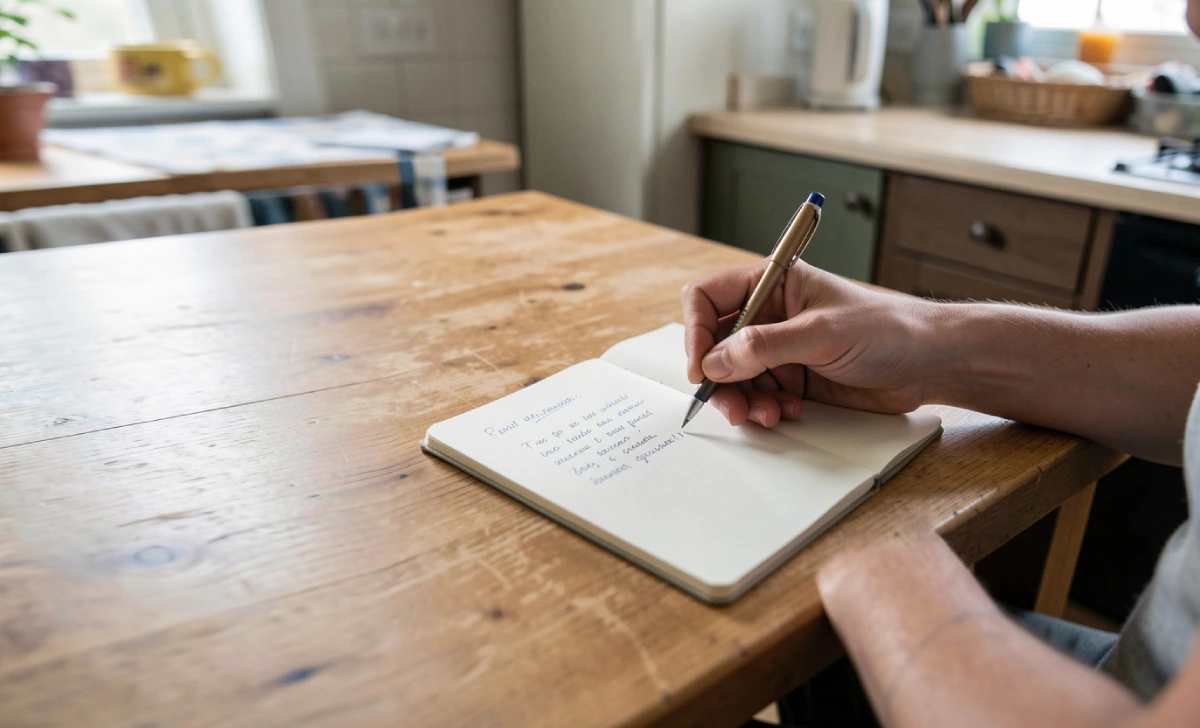
Growth through small habits. Ponadiza is not interested in a dramatic transformation. It is interesting in the tiny, repeated choices that add up over weeks and months. One person starts writing three sentences in a notebook before bed. Another starts walking without headphones twice a week. Neither feels significant at first. Both tend to stick.
Holistic personal growth. This means looking at your life as a whole, not just your career or your fitness or your relationships in isolation. Sleep, movement, food, rest, creativity, and connection all affect each other. Ponadiza encourages you to notice where things feel out of balance and address them gently, not aggressively.
Real connection. A 2023 report from the American Psychiatric Association found that loneliness remains a significant public health concern in the U.S., with younger adults especially reporting feelings of isolation. The Ponadiza approach to community is not about networking or being more social. It is about being genuinely present with the people already in your life. That is a harder ask than it sounds. This article on intentional connection and why it keeps slipping gets into the specifics of why presence is difficult and what actually helps.
What Actually Changes When You Try This
Here is where most articles about mindful living movements fall short. They list the benefits like a checklist and leave you wondering if any of it is real. So let’s be specific.
The shifts are not dramatic. They tend to be quiet. You notice you are less reactive in a frustrating conversation. You catch yourself actually tasting your food instead of just eating it. You finish a small task well and feel something other than indifference. These are not headline moments. But they add up.
A friend started with five minutes of intentional breathing before checking her phone in the morning. That is it. No meditation app, no journaling, no overhaul. A year later, she is sleeping better, has fewer arguments with her partner, and picked up drawing again for the first time since college. She did not set out to change any of those things. She just started with one small, consistent act.
The Ponadiza approach also helps on harder days, and this is important. It does not make hard days disappear. What it does is give you a slightly sturdier footing when things get messy. You have a practice to return to, even if it is just pausing before responding. That pause matters more than it seems.
How to Start Without Adding to Your To-Do List
This is the part where most people expect a long list of new habits. You are not getting that here, because that would miss the point entirely.
Pick one thing. Just one. Here are some realistic options depending on where you are right now.
If mornings are rushed, try this: before you pick up your phone, sit still for two minutes. You do not need to meditate. Just breathe and notice how you feel. That is enough to start.
If you feel disconnected from people, try this: the next time you are with someone, put your phone face down and stay in the conversation. Not dramatically, just intentionally.
If you feel like the day just happens to you, try this: at the end of tonight, write down one thing that felt meaningful. It does not have to be significant. It just has to be real.
That is your starting point. One thing. Stay with it for two weeks before adding anything else. This piece on building sustainable daily habits is worth reading alongside this, especially if you have tried and abandoned routines before.
When It Gets Hard (And It Will)
No honest article about Ponadiza should skip this part. Motivation fades. Weeks get chaotic. You will miss days, sometimes many in a row, and wonder if you have already failed.
You have not. That is not how this works.
The Ponadiza lifestyle is not built around streaks or performance. It is built around returning. You notice you drifted, and you come back. That act of returning, without guilt or dramatic recommitment, is actually the practice. It is also what makes it sustainable for people with demanding jobs, kids, tight budgets, and the general unpredictability of real life in 2026.
There is also a fair criticism worth naming. Focusing on personal intention can tip into something unhelpful if it suggests you should just think your way through genuine pain or hardship. Ponadiza is not that. It works alongside therapy, community support, and practical help, not instead of them. If you are dealing with burnout, anxiety, or feeling seriously stuck, this philosophy can offer some grounding, but it is not a replacement for real support.
This Is Your Life to Shape
Ponadiza will not fix everything. You will still have difficult days, low motivation, and moments where none of this feels worth the effort. What it offers is a different relationship with those moments: one where you have a small, practiced way of returning to yourself.
You do not need a perfect plan or a free weekend to start. You just need one small choice, made tonight, that belongs to you.
Disclaimer: This article is for informational purposes only. Ponadiza is a personal philosophy, not a medical or psychological treatment. If you are experiencing mental health challenges, please consult a qualified healthcare professional.
Frequently Asked Questions
Is Ponadiza just another wellness trend?
It shares some overlap with mindfulness and intentional living, but the combination of personal growth, presence, and community focus makes it feel broader. It is less about performance and more about how life actually feels from the inside.
Do I need to buy anything or follow strict rules?
No. There are no products, memberships, or required steps. You shape it around your own life.
Where did the word “Ponadiza” come from?
The exact origin is not well-documented, and any specific claims about a single cultural source should be taken cautiously. The word appears to carry a meaning related to going beyond the ordinary, which aligns with how the movement defines itself.
How long does it take to notice real changes?
Some people notice a calmer morning routine within a week. Deeper shifts, like steadier moods or more consistent creativity, tend to show up over months. There is no fixed timeline.
Can it help with burnout, anxiety, or feeling stuck?
It can support your well-being by building awareness and small healthy habits. It is not a clinical treatment. If you are struggling significantly, please speak with a qualified professional first.