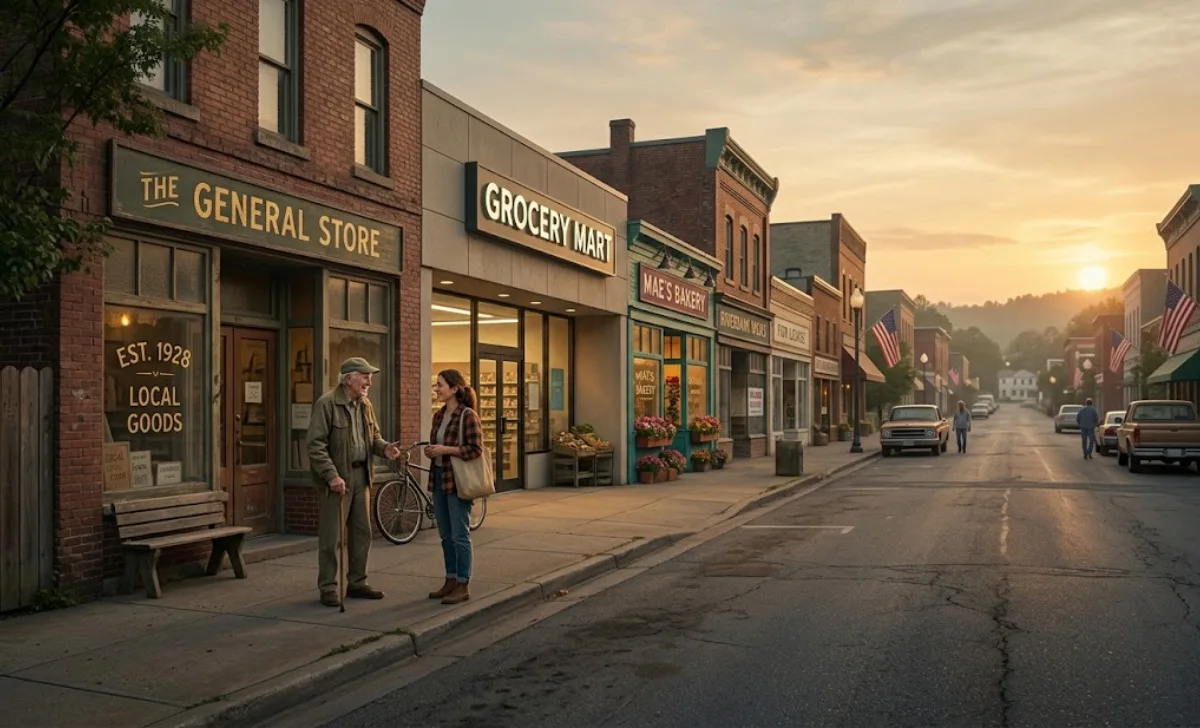





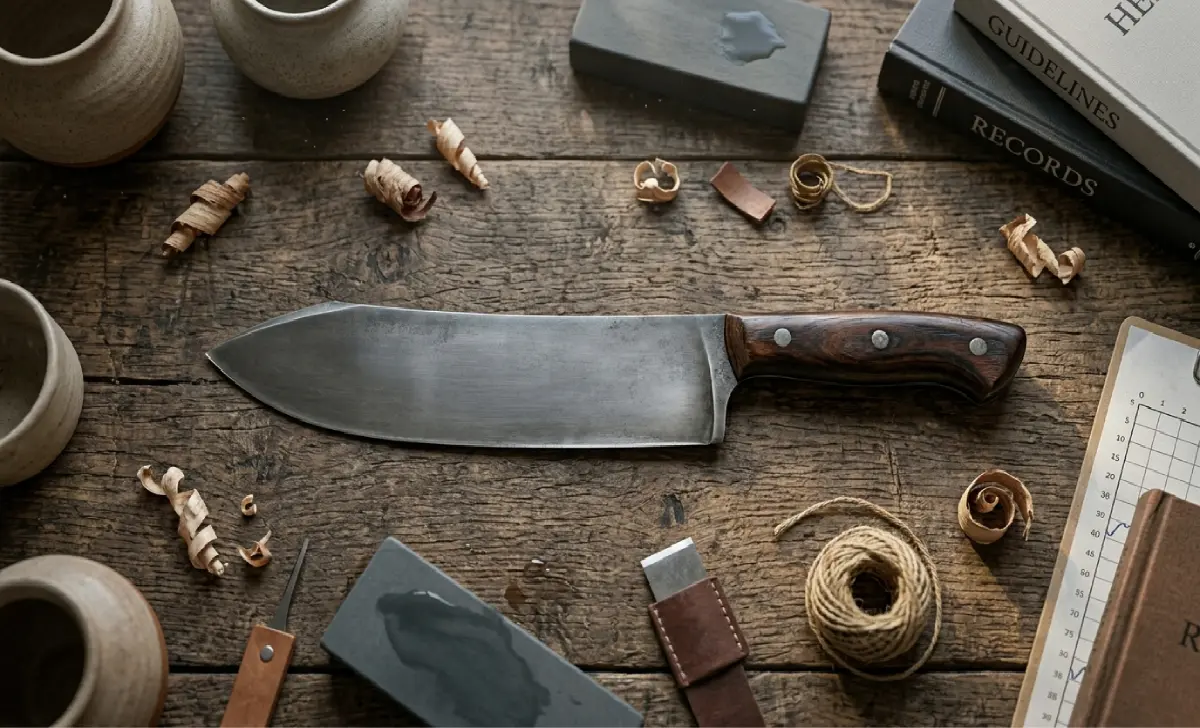
Let me be upfront about something before we get into this: “messeregge” is not a term you’ll find plastered across tool store shelves or trending in YouTube woodworking videos. If you searched for it and landed here, you’ve probably already noticed how little solid information exists. That’s actually part of why this article exists — to give you a clear, honest look at what this tool really is, where it came from, and whether it’s actually worth your attention in 2026.
No fluff. No exaggeration. Just a straightforward breakdown for someone genuinely curious.
What Is a Messeregge, and Where Does the Name Come From?
The word “messeregge” comes from European linguistic roots connected to blades and edged tools — “messer” being the German word for knife, and “egge” relating to an edge or blade ridge. Over time, it became associated with a specific style of practical cutting tool used by rural workers, farmers, and craftsmen across parts of central and western Europe.
Here’s the honest part: this isn’t a household name like a Swiss Army knife or a billhook. It’s a regional, trade-specific term that was passed down through workshops and farming communities rather than through mass marketing. If you’re wondering whether you’ve been missing out on some famous tool category, you haven’t. This is genuinely niche.
What makes the messeregge worth understanding, though, is what it represents as a design idea: a single, well-balanced cutting tool built to do several jobs competently rather than one job perfectly.
Think of it as Europe’s answer to the question: “What do I grab when I need to do farm work, trim wood, prep materials, and fix something around the house — and I only want to carry one blade?”
What Does a Messeregge Look Like? How Is It Different from a Regular Knife?
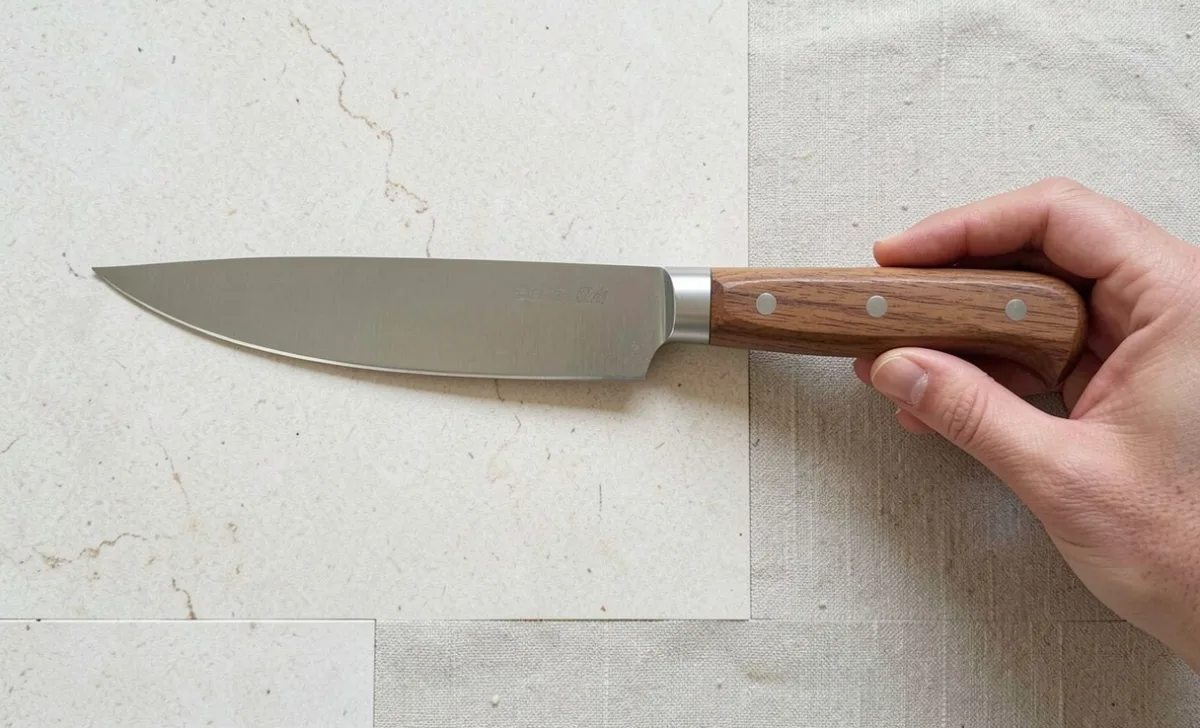
This is where most articles skip ahead too fast. Let’s slow down and look at the actual design.
The Blade
A messeregge blade typically has a gentle, deliberate curve — not as dramatic as a billhook’s hook, not as straight as a chef’s knife. That curve is intentional. It makes slicing motions feel more natural and efficient, especially on fibrous materials like branches, vines, or cord.
Traditional blades were almost always made from high-carbon steel. In practice, that means a sharper, keener edge than most stainless knives — but one that can rust if you leave it wet. Modern versions often use stainless or layered steel to reduce that maintenance demand.
The blade is thicker at the spine and tapers toward the edge, giving it both strength for tougher cuts and enough refinement for more controlled work.
The Handle
Where a basic pocket knife often skips ergonomics entirely, the messeregge handle was designed for extended use. Hardwood and horn were the traditional materials — both develop a natural grip over time and feel warm in the hand, even in cold weather. Synthetic handles appear on newer versions and handle wet conditions better.
The shape is usually full-grip — meaning your whole hand wraps around it rather than pinching it — which matters a lot when you’re doing an hour of vine trimming or woodwork.
The Balance Point
This is what actually separates a messeregge from a generic field knife. The weight distribution between blade and handle is intentionally balanced so the tool doesn’t pull toward either end. When you hold it, it almost disappears — you stop thinking about the tool and start focusing on the job.
If you’ve ever used a cheap knife for an hour of detailed cutting and felt your wrist aching afterwards, poor balance is usually the reason.
How does it compare to similar tools?
- vs. Billhook: A billhook has a more aggressive hook and is better for heavy branch work and hedgerow cutting. The messeregge is lighter and more precise — better for finer cuts and multi-purpose use.
- vs. Pruning knife: A pruning knife is smaller, purpose-built for plant work. The messeregge covers more ground.
- vs. Drawknife: A drawknife is a two-handed shaping tool for woodwork. Completely different use case.
- vs. Modern multi-tool: Multi-tools win on portability and variety. A messeregge wins on edge quality, comfort, and longevity.
What Is a Messeregge Actually Used For?
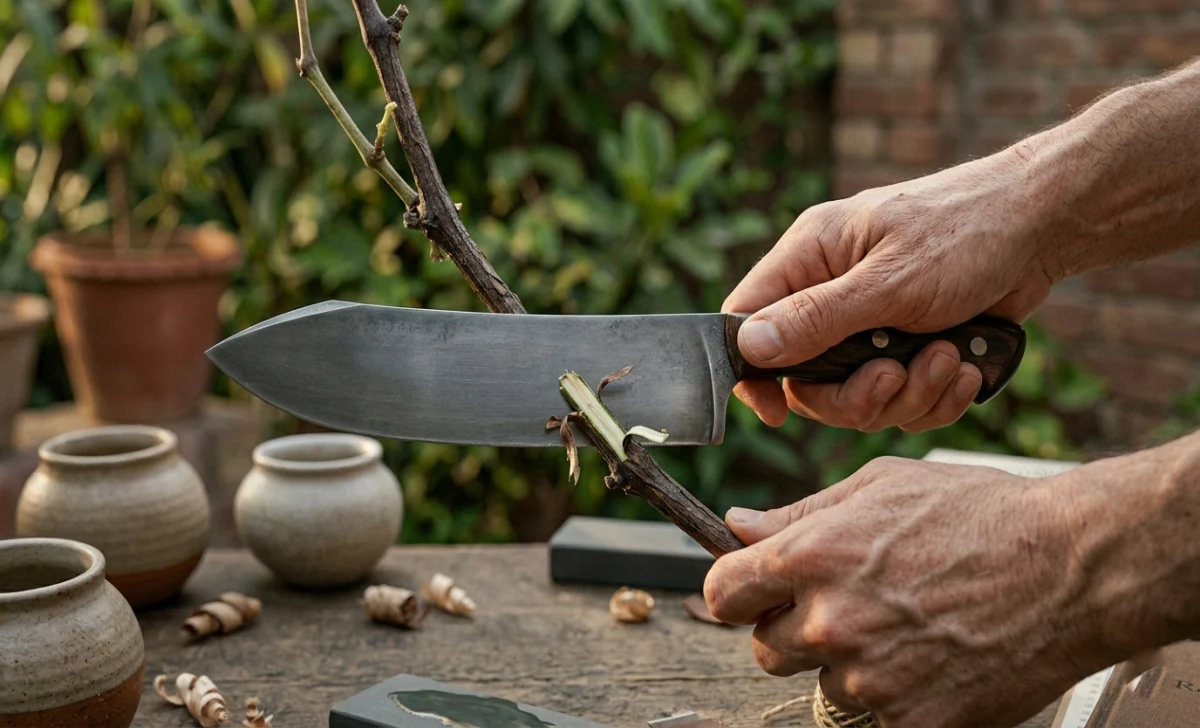
The whole point of this tool is its range. Here’s how it actually shows up in real work:
On the Farm
Farmers used it for trimming vines, cutting small branches, processing harvested plants, and preparing material before storage. It’s not a machete — it won’t take down thick wood — but for light-to-medium plant work, it’s fast and accurate.
The controlled blade shape means you can make precise cuts close to a stem without accidentally nicking surrounding growth. That matters when you’re working through rows of crops.
In the Workshop
Woodworkers and craftsmen used the messeregge for shaping softwood, trimming leather, scoring materials before cutting, and cleaning up edges on smaller projects. The edge retention on high-carbon versions is genuinely good — you can work through a session without constantly stopping to touch up the blade.
Around the House
This is where the “everyday utility” side kicks in. Cutting cord, trimming fabric, opening packaging, small repairs, food prep in a camp or outdoor kitchen — a messeregge handles all of it without making you feel like you’re using the wrong tool. It’s one of those things that, once you have it in your kit, you reach for it more often than you expect.
If you enjoy DIY projects — whether that’s tending a garden, doing light woodwork, or tackling home improvements like interior wall work — a reliable cutting tool that covers multiple tasks is genuinely useful to have on hand.
How the Messeregge Evolved Over the Centuries
Early messeregge tools were hand-forged one at a time. A blacksmith would heat, hammer, harden, and finish each piece by hand. The result was a blade with small, subtle variations — the marks of individual workmanship. Two blades from the same maker might feel slightly different, because they were.
The industrial period brought factory production, which made these tools more affordable and widely available. But many people who’ve handled both types will tell you there’s a quality difference — not always visible, but felt in the balance and the way the edge holds up over years of use.
Today’s versions sit somewhere between those two worlds. The best modern examples use better steel than their predecessors, machined to tighter tolerances, with handles made from materials that better handle moisture and heavy use. What some lose is that slightly personal feel of something shaped by hand.
Whether that trade-off matters to you depends entirely on how you plan to use it.
Is a Messeregge Still Worth It in 2026?
This is the honest question, so let’s answer it honestly.
The case for yes:
You want one tool that can handle light farm work, woodcraft, outdoor tasks, and general utility without carrying a separate blade for each. You prefer tools that last decades rather than getting replaced every few years. You appreciate the feel of a properly balanced knife and notice the difference it makes over a long work session.
The case for no (or not yet):
If you need specialised performance — aggressive branch cutting, precision woodcarving, or heavy-duty processing — a purpose-built tool will serve you better. A billhook beats a messeregge for hedgerow work. A carving knife beats it for detailed woodwork. If your use case is narrow and specific, get the specialist.
The honest middle ground:
For most hobbyists, gardeners, and people who like working with their hands across different projects, a well-made messeregge is worth having. Not because it’s trendy, but because a versatile quality is actually rare and genuinely useful.
How to Choose the Right Messeregge Tool
Since this is still a fairly obscure category in 2026, buying guidance matters more here than it would for a mainstream product.
Blade steel: High-carbon gives better edge retention but needs more care (drying, oiling). Stainless is more forgiving. If you’re new to maintaining cutting tools, stainless is the safer starting point.
Handle material: Hold it if you can. A handle that looks great in a photo but sits awkwardly in your hand is a problem you’ll notice every time you use it. Hardwood and synthetic both work well; horn is beautiful but rarer.
Blade size: Shorter blades (3–4 inches) suit detailed and close work. Longer blades (5–6 inches) are better for cutting, slicing, and outdoor tasks. If you’re unsure, mid-range is usually the right call.
Where to find authentic versions: Speciality tool dealers, estate sales, and old-craft forums are your best sources. General auction sites can work, but fakes and mislabeled knives are common. If a price seems too good, it probably is. Expect to pay somewhere between $50–$150 for a decent modern version, more for vintage or handcrafted pieces.
Red flags: Handles that feel hollow or lightweight, blades that flex noticeably when pressed, and listings that use “messeregge” as a vague catch-all without explaining the actual origin or steel type.
Messeregge Maintenance: How to Keep It in Good Shape
A messeregge tool cared for correctly can outlast most modern kitchen knives by decades. Here’s what that actually looks like in practice:
Sharpening
This is non-negotiable. A dull blade is frustrating to use and actually more dangerous — you end up pushing harder and lose control. A whetstone gives you the most control and is worth learning. Honing rods work well for quick touch-ups between full sharpenings.
For high-carbon blades, sharpen a little more often, and you’ll be rewarded with an edge that performs noticeably better than stainless.
Cleaning and Drying
Wipe the blade after every use. If it’s been exposed to moisture, acid (like plant sap or citrus), or grime, clean it with a damp cloth and dry it immediately. A very light coat of food-safe mineral oil or blade oil before storage prevents surface rust on carbon steel.
Storage
A sheath, wall rack, or dedicated slot in a drawer keeps the edge protected and prevents accidents. Never toss it loose into a toolbox where it can bang against other metal or where someone might grab it blindly.
Long-Term Ownership
Properly maintained, this is not an expensive tool to own over time. There are no batteries, no replacement blades to buy, no parts that wear out from normal use. The main cost is time — a few minutes of care after each session. In an era of disposable tools, that trade feels fair.
Final Thoughts
The messeregge is not a revolution in cutting technology. It’s not going viral, and you probably won’t see it featured in a major tool brand’s marketing campaign anytime soon. What it is — when you find a good one and use it for a while — is simply a tool that works, holds up, and feels good to use.
In a world where most products are designed to be replaced, that’s actually saying something.
If you’ve been curious about whether this is a real, useful thing or just niche jargon: it’s real, it’s useful, and it’s worth understanding. Whether you decide to own one is entirely up to your own needs and how honest you are about how you work.
Frequently Asked Questions
What is a messeregge, and where does the name come from?
It’s a traditional European cutting tool with roots in rural and craft trades. The name comes from German-language roots — “messer” (knife) and “egge” (edge or ridge) — and refers to a style of balanced, multi-purpose blade built for varied work rather than one specialised job.
What does a messeregge look like, and how is it different from a regular knife?
It has a curved blade, ergonomic full-grip handle, and a carefully balanced weight distribution between blade and handle. Unlike most general-purpose knives, it’s designed for extended use without causing hand fatigue, and it’s built for field or workshop conditions rather than just kitchen or pocket carry.
What is a messeregge used for in farming, woodworking, or around the house?
Farming tasks like vine trimming and harvest prep; workshop tasks like shaping wood and cutting leather; and general home and outdoor utility like cutting cord, small repairs, and camp food prep. Its versatility is its main selling point.
How do you choose, sharpen, and take care of a messeregge?
Choose based on blade steel (high-carbon vs. stainless), handle comfort, and blade size for your use case. Sharpen regularly with a whetstone or honing rod. Clean and dry after each use, apply light oil before storage, and keep it in a sheath or secure slot.
Is the Messeregge still worth buying in 2026, or are modern tools better?
For people who want one reliable, well-made cutting tool that covers a wide range of practical tasks, yes. For highly specialised jobs, a purpose-built tool will outperform it. The honest answer is: it depends on how you work.
Disclaimer: This article is written for informational purposes only. Product availability, pricing, and specifications may vary by region and over time. Always verify tool quality and safety before use.