





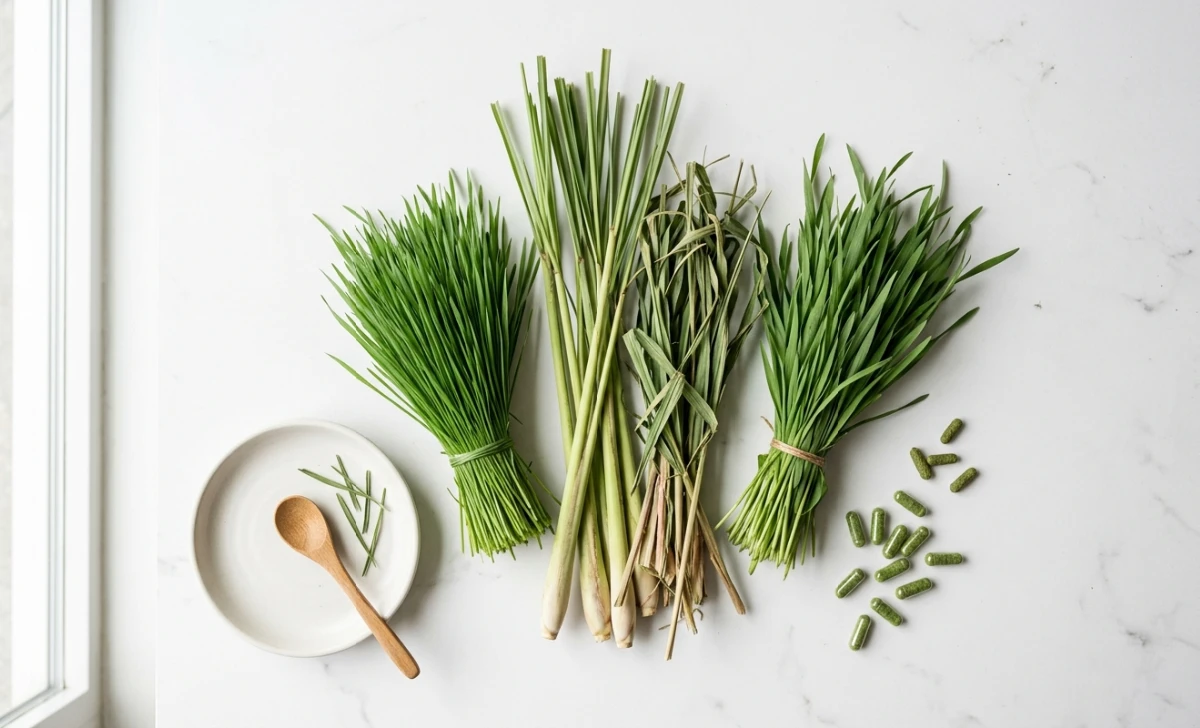
I’ll be honest—when I first stumbled across the word “Lyposingrass,” I thought it was a typo. But then I kept seeing it: health blogs, eco-living forums, even landscaping product pages. Everyone seemed to mention it, yet nobody really explained what it was.
One source called it a nutrient-packed supergrass. Another pitched it as a sustainable turf solution. A supplement brand slapped it on a label with zero context. If you’re confused, you’re not alone—and that confusion is exactly why this article exists.
With so many people chasing natural ways to feel better and live greener in 2025, vague wellness terms spread fast. Lyposingrass caught that wave. But before you buy into it, let’s slow down and actually look at what it is, where it came from, what the claims say, and whether any of it holds up.
Understanding the Meaning of Lyposingrass
Here’s the thing nobody wants to admit upfront: Lyposingrass doesn’t have a single, agreed-upon definition. In wellness spaces, it’s pitched as a detox-friendly supergrass. In eco circles, it’s described as a soil-restoring, low-water plant. And in product marketing, it appears on everything from supplement powders to artificial turf—often with little explanation.
It didn’t start in a lab or a botanical journal. It bubbled up online, the way these things do, because the name sounds clean, fresh, and healthy. That’s usually enough to make something trend.
The honest takeaway? Lyposingrass is more of a concept than a clearly defined thing. It means different things depending on who’s using it and what they’re selling. Understanding that from the start saves you a lot of frustration—and possibly some money.
Possible Botanical Origins of Lyposingrass
When I first started looking into where Lyposingrass actually comes from, I expected to find at least a genus or a species name. Something scientific. What I found instead was a whole lot of nothing.
It gets grouped with plants like lemongrass, wheatgrass, and barley grass—legitimate green plants with actual research behind them. The association makes sense: those are all nutrient-dense, green, and popular in wellness culture. Lyposingrass sounds like it belongs in that family.
But search any botanical database, and you won’t find it. No genus. No species. No documented origin.
Could it be some undiscovered herb or regional plant that hasn’t made it into mainstream science yet? Possibly. But that’s speculation, not fact. Right now, the most accurate answer to “is Lyposingrass a real plant?” is: not in any way that’s been verified. It’s more of an idea than an organism.
Nutritional Claims and Health Benefits of Lyposingrass

The claims around Lyposingrass sound appealing—and familiar. You’ll hear about antioxidants, better digestion, stronger immunity, natural detox support, and high fibre content. Drop it in a smoothie, and supposedly you’re good to go.
Here’s what I noticed when I looked into this more carefully: every single one of those benefits is borrowed from what we already know about green plants in general. There’s nothing tied specifically to Lyposingrass because, again, there’s no specific plant to study.
That pattern—taking general plant-based health benefits and attaching them to a new name—is a pretty common move in wellness marketing. It sounds convincing because it’s partially true. Green plants are generally good for you. But that’s different from saying this specific plant does these specific things.
Approach the Lyposingrass benefits conversation with some healthy scepticism. The claims aren’t backed by anything concrete—yet.
Scientific Reality – Is There Any Research on Lyposingrass?
Short answer: no. There are no clinical trials, no peer-reviewed studies, and no lab data on Lyposingrass specifically.
Compare that to wheatgrass or barley grass—plants that have actual research on their nutrient profiles, how the body absorbs them, and what effects they have over time. That research doesn’t make them miracle cures, but it gives you something real to evaluate.
With Lyposingrass, there’s nothing to evaluate. And that matters, because without data, you can’t know if it’s safe, what it actually contains, or what doses make sense for different people.
Even traditional plants used for centuries in folk medicine eventually get studied and documented. Lyposingrass hasn’t cleared that bar. Until it does, caution is the reasonable position.
Environmental and Sustainability Benefits (Claimed vs. Reality)
Lyposingrass gets described as eco-friendly—low water use, soil-healing, carbon-absorbing. In a world increasingly focused on climate impact, that pitch lands well.
The problem is the same one we keep running into: there’s no identified plant to actually test those claims against. Plenty of real grasses and groundcovers genuinely do these things—vetiver, buffalo grass, and native meadow plants are good examples—and they’ve been studied and grown successfully. Lyposingrass is just borrowing their reputation.
Eco-marketing loves vague green language. A term without a clear definition can mean almost anything, which makes it very easy to use in campaigns and very hard to hold accountable. If sustainability matters to you in your lawn or garden, you’re better off researching plants that come with actual documentation of their environmental impact.
How Lyposingrass Is Used in Modern Wellness
In wellness spaces, Lyposingrass shows up as a powder, tea, or smoothie ingredient. People talk about adding it to their morning routine for energy and gut support—similar to how wheatgrass shots became a thing.
The use cases are familiar: blend it, steep it, stir it in. If you’ve ever added greens powder to a soup or broth, that’s roughly the idea. Speaking of nourishing broths, recipes like this nilagang baka—a simple, slow-cooked beef soup—show how real, well-understood ingredients do the heavy lifting without any mystery involved. That’s the kind of transparency worth looking for.
When it comes to Lyposingrass products, the bigger concern isn’t the format—it’s what’s actually in them. Vague ingredient lists and undefined source plants are red flags, not selling points.
Lyposingrass in Landscaping and Eco Design

In outdoor and landscape design, Lyposingrass gets described as a low-maintenance, water-efficient grass option. The pitch is an attractive one: a beautiful, low-effort lawn that also happens to help the planet.
But here’s where it gets murky. Sometimes the term is applied to a real grass variety. Other times, it seems to refer to synthetic turf options marketed with eco-friendly language. Natural and synthetic are very different things for soil and local ecosystems, and the naming blur doesn’t help consumers make informed choices.
If you’re redesigning your outdoor space with sustainability in mind, ask your supplier specifically what plant or product you’re getting and request documentation. “Eco-friendly” on a label isn’t enough on its own.
Comparing Lyposingrass with Real Supergrasses
Line Lyposingrass up next to real supergrasses—lemongrass, wheatgrass, barley grass, moringa—and the contrast is clear. Each of those plants has a documented history: how they grow, what they contain, how they’ve been used, and what limited or strong evidence exists for their health effects.
The same goes for real foods and grains with long cultural track records. Take kouskousi—a traditional ingredient with clear origins, known preparation methods, and a genuine place in culinary history. That kind of clarity is what separates real ingredients from wellness buzzwords.
Lyposingrass borrows the language of these well-established plants but brings none of the evidence. For now, the proven options are simply the better bet.
Myths and Misconceptions About Lyposingrass
A few things people get wrong about Lyposingrass, stated plainly:
- It’s a miracle detoxer. Unproven. No evidence supports this claim specifically.
- It has superfood status. Its nutritional profile hasn’t been documented, so this can’t be confirmed.
- It’s an eco-hero for your lawn. Environmental benefits are claimed but unverified.
- It’s a real, identifiable plant. This is the biggest one. Lyposingrass is not a recognised botanical species.
What keeps these myths alive is repetition. SEO-driven content repeats the claims, people share them, and after a while, the idea feels established even though nothing has actually been proven. Recognising the pattern is half the battle.
How to Safely Choose Lyposingrass Products
If you see Lyposingrass on a product label, here’s a simple checklist before you buy:
- Ask for the botanical name. If there isn’t one, that’s a problem.
- Check the full ingredient list. Vague or “proprietary blend” labelling is a warning sign.
- Look for third-party testing. Reputable supplement brands test their products and publish results.
- Search for certifications. Organic certifications and quality seals add a layer of accountability.
Transparency is what separates trustworthy products from trend-chasing ones. If a brand can’t tell you exactly what’s in their product and where it comes from, your health deserves better.
Can You Grow Lyposingrass?
Realistically, no—not in any reliable way. There are no seeds, no growing guides, and no documented climate or soil preferences because there’s no clearly identified plant to start with.
If you want to grow something genuinely useful and nutritious at home, lemongrass and barley grass are both excellent options. They come with real growing instructions, thrive in a range of climates, and actually deliver what they promise. Lasagna baked potatoes are another reminder of how satisfying it is to work with real, known ingredients that have predictable results—whether in the garden or the kitchen.
The Role of Lyposingrass in Modern SEO and Digital Trends
Lyposingrass is a good example of how digital trends work. A term that sounds fresh and health-adjacent gets picked up by a few content creators, brands attach their products to it, and search traffic follows curiosity. Undefined terms actually fuel more searching, not less—people keep clicking because they never quite get a satisfying answer.
That’s the mechanics of a viral concept keyword: catchy, vague, and just familiar enough to seem credible. It’s worth understanding that pattern because Lyposingrass almost certainly won’t be the last term to travel this path.
Future of Lyposingrass – Trend, Plant, or Marketing Term?
It could go a few different directions from here. A researcher might actually identify a plant that the term gets attached to, giving it a scientific foundation. It might solidify as a product category or brand umbrella in the wellness industry. Or it might quietly fade as the next trending term takes its place.
Over the next few years, as consumers and search algorithms both get better at demanding evidence-backed content, loosely defined terms like this tend to either prove themselves or disappear. The ones that last are the ones that can eventually point to something real.
Conclusion
Lyposingrass sits at an interesting crossroads—part wellness trend, part eco-marketing language, part digital curiosity. There’s nothing necessarily harmful about the conversation around it, but the lack of a defined plant, documented research, or verified claims means it deserves careful evaluation rather than blind enthusiasm.
If the concept appeals to you, that’s worth exploring. Just do it with your eyes open. Stick to plants and products that can tell you exactly what they are, where they come from, and what testing backs them up. That standard will serve you well whether you’re shopping for supplements, redesigning your lawn, or just trying to figure out what a trending word actually means.
FAQs
What is Lyposingrass?
It’s a trending term used to describe a “green supergrass” associated with health, nutrition, and eco-friendly living. There’s no clearly recognised botanical species behind it—it functions more as a concept than a concrete plant.
Is Lyposingrass a real plant or just a trend?
As of now, it has no official botanical classification or scientific recognition. It’s primarily a digital and marketing trend circulating in wellness and sustainability conversations.
What are the claimed benefits of Lyposingrass?
Proponents point to digestion support, antioxidant properties, immune benefits, and natural detox. These claims are unproven for Lyposingrass specifically and appear borrowed from general green plant research.
Can I safely use or consume Lyposingrass products?
Proceed carefully. Always check for a specific botanical name, full ingredient transparency, third-party testing, and clear sourcing before purchasing any product labelled with this term.
Is Lyposingrass good for the environment?
It’s described as low-water and soil-friendly, but those claims haven’t been verified because no specific plant has been identified and studied. For genuine eco-friendly landscaping, research plants with documented environmental track records.