





You walk into your living room on a winter evening, and the lights are blazing even though no one’s been there for hours. The thermostat is set to 72 degrees, heating rooms you never use. Your phone is charging overnight, drawing power long after the battery hits 100%. These small moments add up—not just on your energy bill, but in the quiet guilt of knowing you could do better.
Smart home upgrades offer a way forward. They’re not about filling your house with expensive gadgets or becoming a tech expert overnight. They’re about creating a home that works with you, not against you, to reduce waste without adding stress to your day.
Why Energy Waste Happens Without You Noticing
Most energy waste is invisible. You can’t see electricity leaking from devices in standby mode. You don’t feel the dollars disappearing when your air conditioner runs in an empty house.
Traditional homes operate on autopilot—your system. You flip switches, adjust dials, and hope you remember to turn things off. But life gets busy. You leave for work in a rush. The kids forget to close their bedroom doors. The basement light stays on for three days before anyone realizes.
Smart home upgrades remove human error from the equation. They automate the things you forget and optimize the things you can’t track.
Start With Smart Thermostats
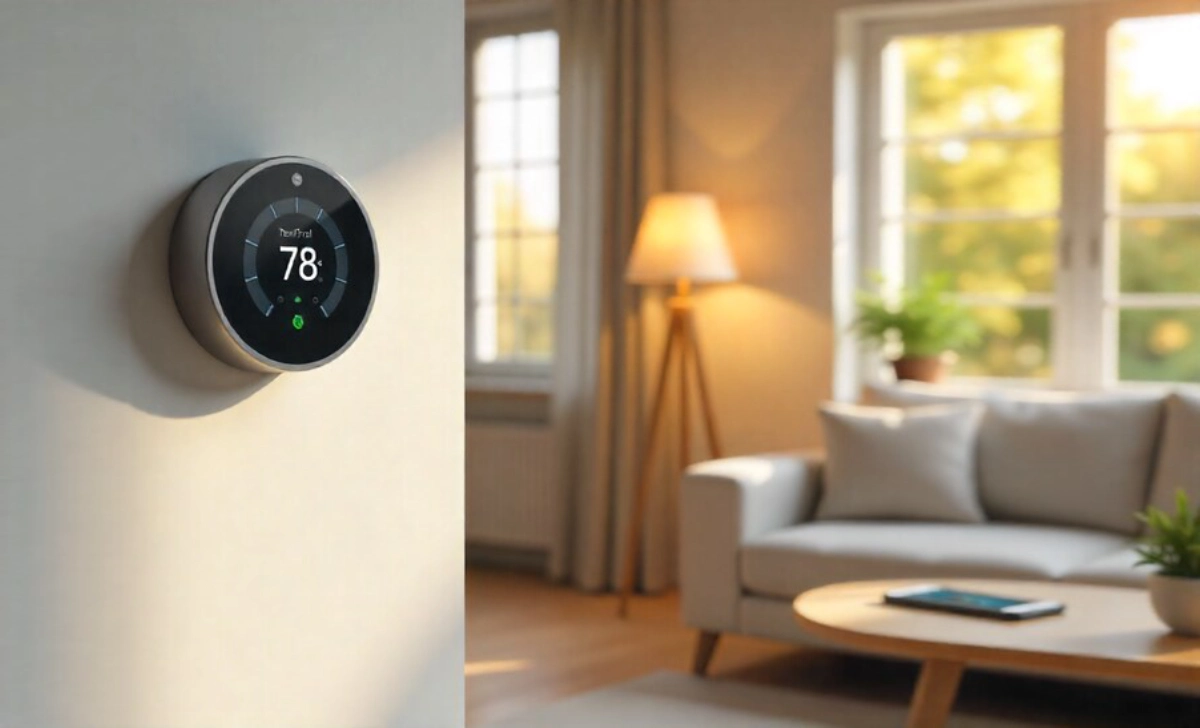
Heating and cooling account for nearly half of most home energy bills. A smart thermostat learns your schedule and adjusts temperatures automatically.
Picture this: You leave for work at 8 a.m. every weekday. A traditional thermostat keeps heating your empty home all day. A smart thermostat drops the temperature after you leave, then warms the house again 30 minutes before you return. You walk into comfort without wasting energy on empty rooms.
These devices track your patterns over time. If you stay up late on Fridays, your system adjusts. If you leave early on Tuesdays for a morning meeting, it adapts. You’re not programming schedules or overthinking settings. The thermostat does the work.
Simple Installation, Real Savings
Most smart thermostats install in under an hour. You don’t need an electrician or special tools. The interface connects to your phone, letting you adjust settings from anywhere.
Forgot to lower the heat before leaving for a weekend trip? Change it in the car. Want to cool down the bedroom before sleep? Adjust it from your couch. The control is immediate and stress-free.
Studies show smart thermostats reduce heating and cooling costs by 10-23% annually. For an average household, that’s $130-$180 saved each year. Over a decade, you’re looking at real money returned to your pocket. Many affordable smart home upgrades deliver similar returns without requiring major renovations or technical expertise.
Smart Lighting Makes Waste Impossible
Lights left on in empty rooms drain energy silently. Smart bulbs and switches solve this problem in two ways.
First, they let you control lights remotely. Lying in bed and realizing the garage light is still on? Turn it off on your phone. No trudging downstairs. No wasted electricity.
Second, they automate based on presence and time. Motion sensors turn lights on when you enter a room and off when you leave. Scheduled settings dim lights at bedtime or turn them off when you typically leave for work.
Dimming Saves More Than You Think
Smart bulbs allow precise brightness control. You don’t need full intensity for every moment. Watching TV in the evening? Dim the lights to 40%. Reading before bed? Set them to 60%. These adjustments reduce energy consumption without sacrificing comfort.
Traditional dimmer switches waste energy—they convert excess electricity to heat. Smart bulbs actually use less power when dimmed, delivering true savings.
You can also set “scenes” for different activities. Movie night, dinner time, morning routine—each gets custom lighting that turns on with a single tap. No more walking room to room, adjusting switches.
Smart Plugs Stop Phantom Power Drain
Devices draw power even when turned off. Your TV, coffee maker, printer, and game console consume electricity 24/7 just by staying plugged in. This “phantom load” costs the average American household $100-$200 annually.
Smart plugs cut power completely when devices aren’t in use. Plug your TV setup into a smart strip, and it shuts down everything when you’re done watching. Your phone charger stops drawing current after your device reaches full charge.
You can schedule plugs to turn off automatically. Set your coffee maker to power down at noon. Turn off the home office equipment at 6 p.m. Cut power to the guest room devices when no one’s visiting.
Monitor What You Can’t See
Many smart plugs track energy consumption in real time. You discover which devices are the biggest drains. That old space heater in the basement might be costing you $40 a month. The ancient refrigerator in the garage could be your largest expense.
This information empowers better decisions. You can prioritize which appliances to replace or unplug. You see the financial impact of your habits, turning abstract concepts into concrete numbers.
Smart Window Treatments Control Natural Energy
Windows are both assets and liabilities. They bring in natural light and warmth but also let energy escape. Smart blinds and shades optimize this balance automatically.
In summer, they close during peak afternoon heat, reducing air conditioning needs. In winter, they open on sunny days to capture warmth, then close at night to prevent heat loss. You’re not standing at every window, making adjustments. The system responds to temperature and sunlight sensors.
Some models integrate with your thermostat. If the AC is struggling to cool your home on a hot afternoon, the shades close automatically. If heating costs are climbing on a cold morning, south-facing blinds open to let sunshine in.
Smart Power Strips for Whole-Home Efficiency
Smart power strips take the plug concept further. They identify which devices are in active use versus standby mode. When your computer goes to sleep, the strip cuts power to connected peripherals—monitor, speakers, printer. Everything shuts down together, eliminating waste.
These strips often include “always-on” outlets for devices that need constant power, like routers or alarm clocks. You get targeted control without disrupting critical functions.
Water Heaters and Smart Controllers
Water heating is your home’s second-largest energy expense. Smart water heater controllers learn your usage patterns and heat water only when needed.
Most families use hot water during morning showers and evening dishwashing. Why keep 40-50 gallons heated at 3 a.m. when everyone’s asleep? Smart controllers lower temperatures during low-use periods, then reheat water before you need it.
Some systems include leak detection. If water usage spikes unexpectedly, you get an alert. You can catch problems before they become disasters, saving water, energy, and repair costs.
Starting Small Works
You don’t need to automate your entire home next week. Start with one upgrade and experience the difference.
Choose the area where you waste the most energy. If you’re always adjusting the thermostat, start there. If you forget lights constantly, begin with smart bulbs in high-use rooms. If phantom power bothers you, grab a few smart plugs.
Each upgrade teaches you how these systems work. You build confidence and understanding. After a few months, you’ll know what makes sense for your space and budget. The process becomes easier and cheaper when you approach it incrementally rather than attempting a complete overhaul.
The Learning Curve Is Gentle
These devices are designed for regular people, not tech experts. Setup guides walk you through each step. Customer support helps when you’re stuck. Online communities share tips and troubleshooting advice.
Most systems work independently at first. Your smart thermostat doesn’t need to talk to your smart lights. As you add devices, you can integrate them later if you want. But integration is optional, not required.
The Real Benefits Go Beyond Money
Energy savings matter, but smart home upgrades offer something deeper: peace of mind.
You stop worrying about whether you left something on. You stop feeling guilty about the waste you can’t control. Your home becomes a partner in your efforts to live more responsibly.
When you’re on vacation, you know your house isn’t burning energy unnecessarily. When you’re at work, you trust your systems are operating efficiently. When you’re asleep, everything adjusts automatically.
This mental freedom is worth more than the dollars saved. You’re not carrying a constant low-level anxiety about your home’s energy use. You’ve handed that responsibility to systems that handle it better than you ever could manually. These smart home upgrades that pay off deliver both financial returns and psychological relief.
Your Home Can Help
Energy waste isn’t a character flaw. You’re not lazy or careless. You’re human, managing countless responsibilities and decisions every day. Smart home upgrades acknowledge this reality and offer support.
They don’t require perfection. They don’t demand you remember everything. They work quietly in the background, reducing waste while you focus on what matters most.
Start where you are. Choose one upgrade that addresses your biggest frustration. Install it. Use it. Notice the difference. Then decide if you want to do more.
Your home can waste less energy without you working harder. That’s not a fantasy—it’s what these tools were designed to do. Give them a chance to prove it.