



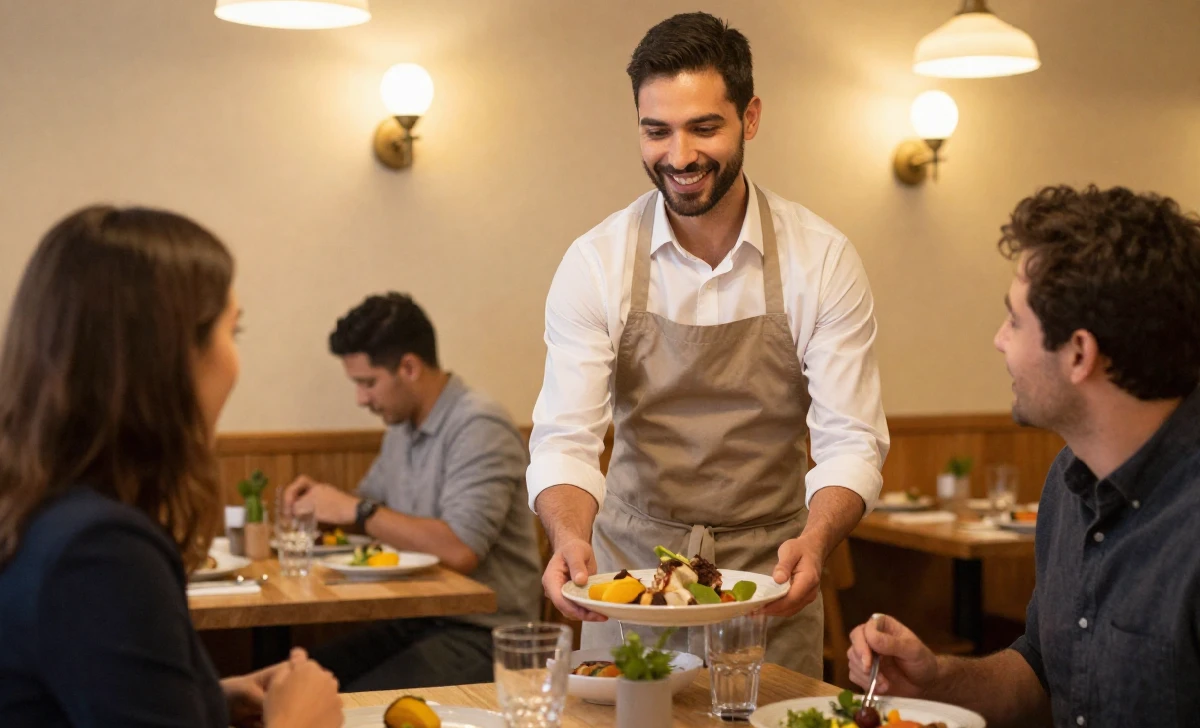
Earning more in tips comes down to small, consistent habits rather than any single trick. The servers and bartenders who bring home the most money are not the loudest or the most entertaining. They read people well, stay present, and recover quickly when things go wrong. If you work in the service industry, your tip income is directly tied to how people feel when they leave, not just whether their order was correct.
The good news is that these habits are learnable. Whether you are waiting tables, tending bar, driving for a delivery platform, or making coffee, the same core principles apply. Anticipate needs. Stay calm under pressure. Make people feel like they matter. Do that consistently, and better tips follow. This guide breaks down 10 realistic, experience-tested ways to increase your tip income starting on your next shift.

Why Tipping Is Still Worth Mastering
Before getting into the how, it helps to understand the current landscape. Average tips at full-service restaurants hovered around 19 percent in 2024 and into 2025, according to industry data from sources like Toast. Quick-service and counter spots tend to land closer to 16 percent. Some surveys show that a growing number of diners feel tip fatigue, especially with automatic prompts appearing everywhere.
That shift is real, but it does not mean tips are going away. It means the servers who build genuine connections and deliver smooth experiences will keep pulling strong numbers, while everyone else gets squeezed. The service industry tips gap between average and excellent is widening. That gap is your opportunity.
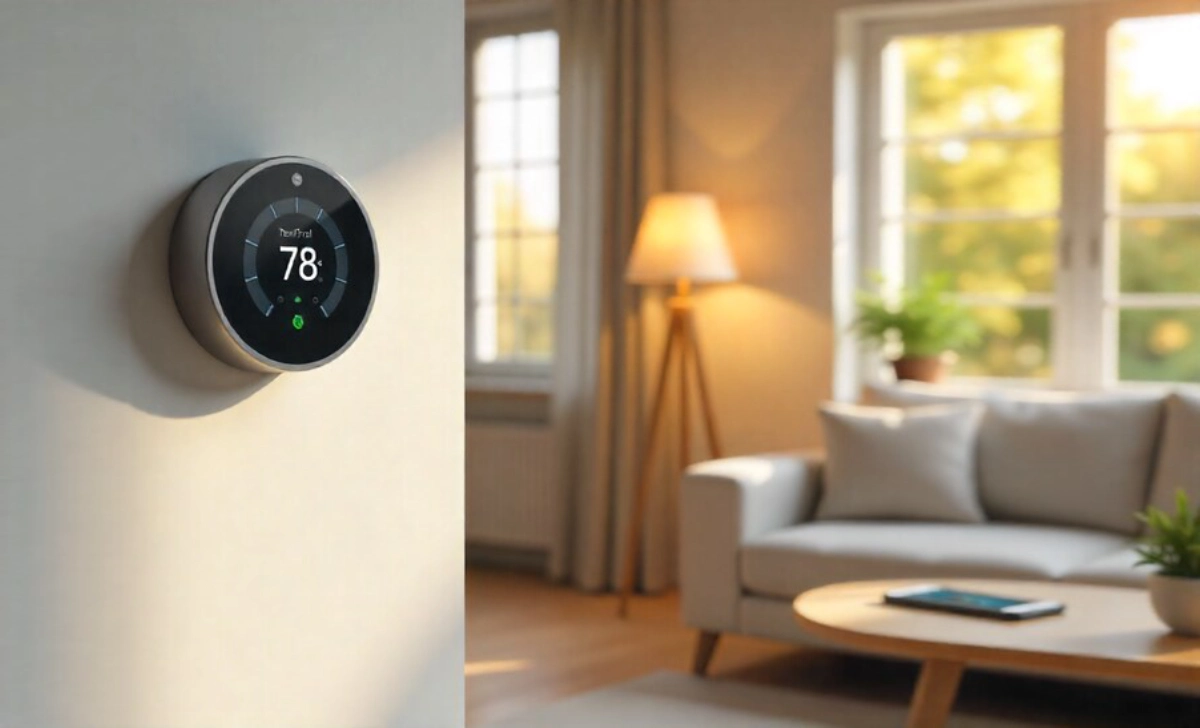
And if you want to stretch your tip income further, it is worth looking at your fixed expenses too. Small changes at home, like the ones covered in this guide to smart home upgrades that save money, can free up a surprising amount of cash each month without you needing to earn a single extra dollar.
Shift Your Focus From Tasks to Feelings
Most servers in their first year treat a shift like a checklist. Take the order. Deliver the food. Drop the check. It is efficient, but it rarely earns great tips.
People tip based on how you make them feel, not just whether you did the job correctly. When you shift your focus from completing tasks to creating a positive experience, your numbers improve. This is the foundation that everything else builds on.
Read the Table Before You Say a Word
This is one of the most underrated service industry tips you will ever get. Before you even open your mouth, spend five seconds reading the table.
A couple sitting quietly, leaning toward each other, probably wants space and calm. A group of eight laughing loudly wants energy and speed. A parent with a tired toddler needs that kid’s food out first, no questions asked.
Mirroring the table’s energy is not fake. It is perceptive. When people feel understood without having to ask, they relax. And a relaxed table is a generous table.
Build Real Connection Without the Sales Script
Generic upselling sounds like a pitch because it is one. People can tell. A better approach is sharing genuine enthusiasm about what you actually like on the menu.
Instead of asking “Can I add guacamole to that?”, try “The house-made guac is honestly one of the best things on the menu. Worth it.” You are not selling; you are sharing. That small shift changes how the suggestion lands.
A higher check average directly increases your tip since most people tip by percentage. Thoughtful suggestions move the check up without making anyone feel pressured. That is how you get good tips consistently over time, not just on lucky nights.
Use Body Language to Signal Attentiveness
Your body communicates even when you are not talking. Hovering over a table makes guests feel rushed. Disappearing makes them feel forgotten.
The sweet spot is what you might call casual attentiveness. Sweep crumbs without being asked. Refill water before the glass is empty. Crouch down to speak at a guest’s level instead of standing over them.
These small moves signal one thing: “I’ve got you.” That feeling of being quietly taken care of is exactly what earns better tips, and it costs nothing except awareness.
Manage Slow Nights So They Do Not Manage You
Dead shifts happen. Tuesday lunch. Sunday morning. The slow stretches where you have one table and two hours to fill. It is easy to sink into low energy, but customers feel that when they walk in.
A simple fix: keep your hands busy and your section sharp. Polish glasses. Roll silverware perfectly. Straighten the condiment rack. It sounds small, but it keeps your mind out of a spiral and your body in a state of readiness.
When a table finally sits down, you greet them from a place of calm, not desperation. That quiet confidence matters more than most people realize. Guests in a slow restaurant often worry they picked the wrong place. You being composed and prepared reassures them immediately.
If you are looking to cut costs during the slower earning weeks without sacrificing comfort, it is worth checking out these smart home upgrades that cut energy waste. A lower utility bill helps a lot in the months when tips are inconsistent.
Own Your Mistakes Immediately
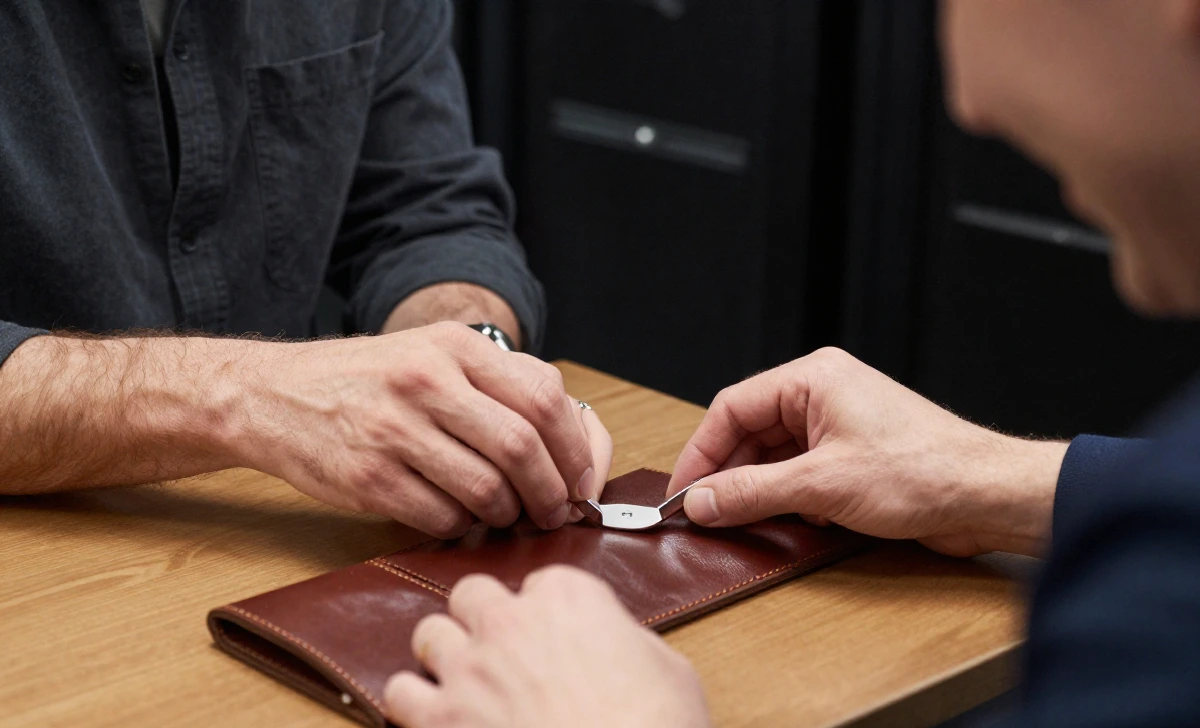
No shift is flawless. Orders get mixed up. The kitchen falls behind. Something is wrong. What you do in that moment shapes the rest of the table’s experience.
Defensiveness is the worst response, even when it is not your fault. The move that actually saves the tip is full, calm ownership.
“I’m so sorry that happened. I’m fixing it right now” is more powerful than any explanation. It disarms the table. They were ready to be frustrated, and you met them with honesty and a solution. Surprisingly, a problem handled well often leads to a higher tip than a table that had no issues at all. The recovery is what they remember.
A few extra phrases worth having ready:
- “That’s on me. Let me make it right.”
- “I completely understand. Here’s what I’m going to do.”
Keep it short, keep it calm, and move immediately to the fix.
Protect Your Energy Like It’s Part of the Job
Nobody talks about this enough. Being “on” for a full shift is draining. You are giving pieces of your attention and warmth to dozens of strangers, often while standing for hours and managing multiple competing priorities.
If you do not recharge between shifts, your performance declines. The connection with tables starts to feel forced. Guests pick up on that even when they cannot name it.
Figure out what genuinely restores you. A quiet drive home. A workout before the shift. Ten minutes alone before the dinner rush. Whatever it is, treat it as non-negotiable. Your tip income depends on your ability to show up present, and that only happens when you are taking care of yourself off the clock.
For workers living on tips, even small monthly savings add up fast. Some smart home upgrades that pay off are worth considering if you own or rent and want to reduce what goes out while you focus on increasing what comes in.
Build Regulars Over Time
Short-term thinking keeps most servers stuck. The real income growth in the service industry comes from building a base of regulars who request your section, tip above average, and refer their friends.
That only happens when you treat every table like it might come back. Remember a name. Recall a preference. Ask how that birthday dinner turned out. These moments take seconds but leave a lasting impression.
Over the years, these compounds. Better sections, better shifts, and a consistent stream of guests who already trust you before they sit down. That is how tip income grows in the long run, not just from week to week.
FAQs
What is the secret to getting good tips?
There is no single secret, but the closest thing to one is this: make people feel genuinely taken care of, not just served. Read the table, match their energy, and stay present. That combination consistently outperforms any technique or phrase.
How do you deal with tables that do not tip?
It is frustrating, and it happens to everyone. The best approach is to not let one bad table affect the next one. Some people will not tip regardless of what you do. Focus on your overall average across the shift, not any single table.
Should I split tips evenly with other staff?
This depends on your restaurant’s structure. Tip pools can build team morale and ensure support staff are taken care of, but individual earning works better in some environments. Know your house rules, and if you have input, advocate for what feels fair to you and your colleagues.
What do you do when you mess up an order?
Own it immediately and fix it fast. Skip the explanations. A short, calm apology followed by quick action almost always salvages the tip. Trying to justify the mistake, even when it is not your fault, rarely helps.